
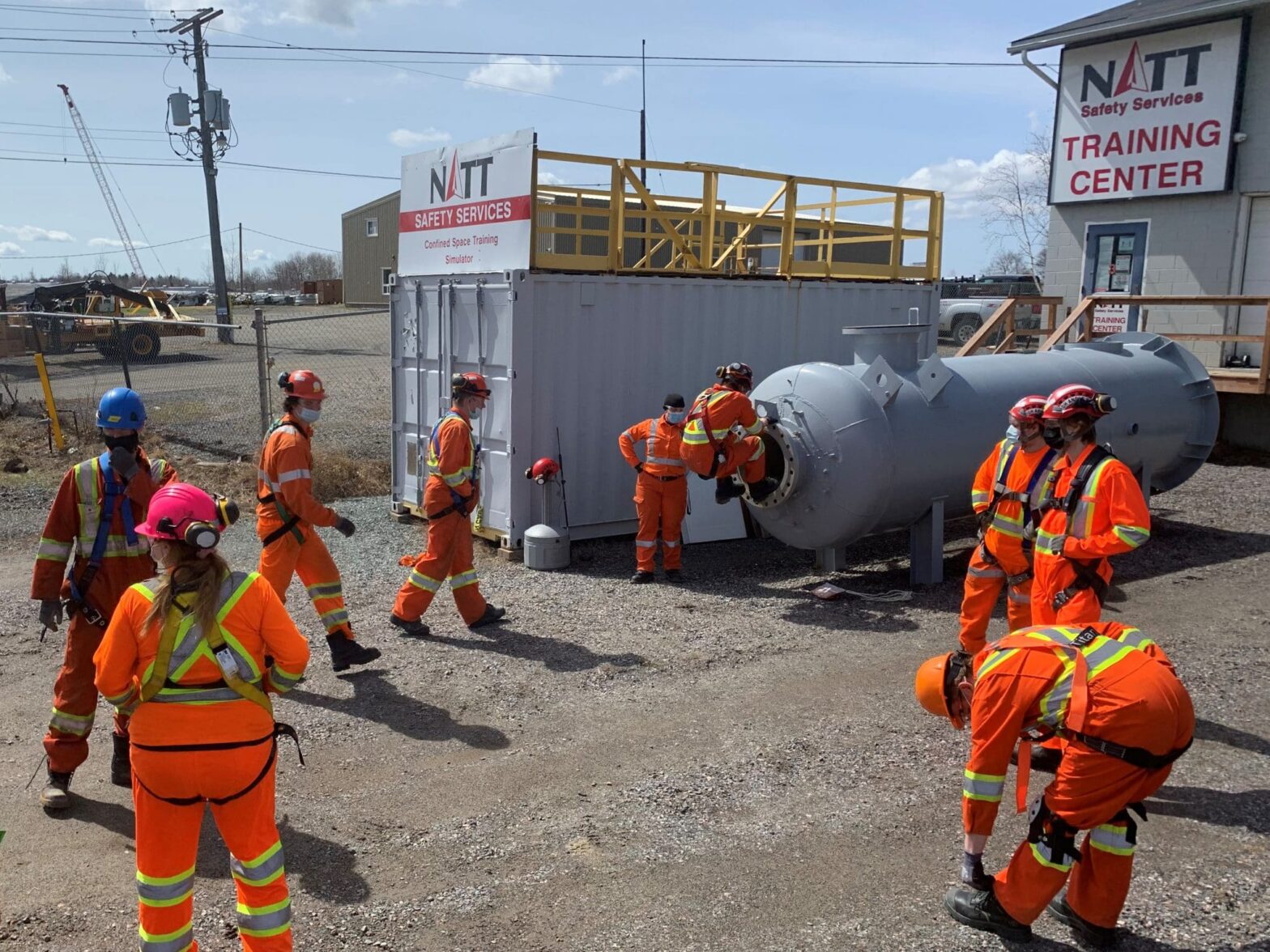
Confined spaces can be some of the most dangerous environments in the workplace, presenting unique risks to workers and employers alike. From limited ventilation to unexpected hazards, these spaces demand specialized training to ensure safety. This is where Confined Space Awareness Training Victoria comes into play. In this blog, we will explore the top five hazards associated with confined spaces and discuss practical measures to avoid them, ensuring a safe and compliant work environment.
1. Oxygen Deficiency
One of the most critical risks in confined spaces is oxygen deficiency. Normal air contains about 21% oxygen, but in confined spaces, levels can quickly drop due to factors such as:
- Chemical Reactions: Rusting metals or decaying organic matter can consume oxygen.
- Displacement: Gases like carbon dioxide or nitrogen can displace oxygen.
How to Avoid This Hazard:
- Use oxygen monitoring devices before and during entry.
- Ensure adequate ventilation systems are in place.
- Train workers to recognize symptoms of oxygen deficiency, such as dizziness or confusion, during Confined Space Awareness Training Victoria programs.
2. Toxic Atmospheres
Confined spaces may harbor toxic gases, including hydrogen sulfide (H2S), carbon monoxide (CO), or volatile organic compounds (VOCs). Exposure to these substances can result in severe health issues or even fatalities.
How to Avoid This Hazard:
- Conduct air quality testing to identify and mitigate toxic gases.
- Provide personal protective equipment (PPE), such as respirators.
- Regularly maintain and inspect equipment to avoid leaks or malfunctions.
3. Engulfment Risks
Engulfment occurs when workers are trapped or submerged in materials like grain, sand, or liquids. This hazard is particularly common in storage bins, silos, and tanks.
How to Avoid This Hazard:
- Identify and label areas with potential engulfment risks.
- Use safety harnesses and retrieval systems for quick rescue.
- Ensure a trained observer supervises the operation and maintains constant communication.
4. Physical Hazards
Physical hazards within confined spaces include:
- Limited Mobility: Restricted movement can make it difficult to escape in emergencies.
- Falling Objects: Loose tools or equipment can cause injuries.
- Poor Lighting: Dim or no lighting increases the risk of trips and falls.
How to Avoid This Hazard:
- Keep confined spaces organized and free of loose debris.
- Use proper lighting and ensure portable lighting is intrinsically safe in hazardous environments.
- Train workers on safe equipment handling and situational awareness.
5. Explosion and Fire Risks
The accumulation of flammable gases, vapors, or dust in confined spaces can create explosive environments. A single spark from equipment or static electricity can trigger a disaster.
How to Avoid This Hazard:
- Use intrinsically safe tools and equipment designed for hazardous atmospheres.
- Implement hot work permits for welding or cutting tasks.
- Monitor and control potential ignition sources, including electrical equipment and open flames.
The Role of Confined Space Awareness Training Victoria
Effective training is the cornerstone of confined space safety. Confined Space Awareness Training Victoria equips workers and employers with the skills and knowledge to identify hazards, use safety equipment, and implement best practices for confined space operations. Here’s what comprehensive training should cover:
1. Hazard Identification:
Learn to recognize the unique dangers of confined spaces and assess risks effectively.
2. Use of Safety Equipment:
Understand how to use gas detectors, PPE, and rescue gear properly.
3. Emergency Procedures:
Gain expertise in responding to emergencies, including evacuations and first aid.
4. Regulatory Compliance:
Stay informed about WorkSafeBC and CSA standards to ensure compliance and avoid penalties.
Practical Tips for Employers
Employers play a critical role in ensuring confined space safety. Here are some actionable tips:
- Develop a Confined Space Entry Plan: Document procedures for hazard identification, ventilation, and rescue.
- Provide Refresher Training: Workers should undergo regular refresher training, ideally every three years, to stay updated on best practices.
- Conduct Routine Inspections: Regularly inspect confined spaces and associated equipment for potential risks.
- Establish Communication Protocols: Ensure workers and supervisors maintain constant communication during operations.
Why Confined Space Awareness Training Victoria Matters
Confined space incidents can have devastating consequences, from loss of life to significant financial and legal repercussions for employers. Investing in high-quality training not only saves lives but also fosters a culture of safety and accountability within the workplace.
By partnering with training providers like Van Isle Forklift, you can ensure your workforce is equipped to handle confined space challenges confidently and competently. From oxygen monitoring to emergency response, comprehensive training ensures everyone returns home safely at the end of the day.
Final Thoughts
Confined spaces are inherently risky, but with proper training and preventive measures, these hazards can be effectively mitigated. Confined Space Awareness Training Victoria is essential for protecting workers, maintaining compliance, and creating a safer work environment.
Take proactive steps today—invest in quality training, implement robust safety protocols, and prioritize the well-being of your team. Your commitment to safety could make all the difference in preventing accidents and fostering a resilient workplace.