
Aerial lifts are essential in various industries, from construction to warehousing. However, operating them without proper training can lead to serious injuries, equipment damage, or even fatal accidents. To ensure workplace safety, aerial lift operators in Nanaimo must undergo certified training that meets WorkSafeBC standards.
At VIF Safety Training, we provide comprehensive Aerial Lift Operator Training in Nanaimo, ensuring workers are well-equipped to handle these machines safely. Below are the top five safety tips that every aerial lift operator should follow.
1. Understand WorkSafeBC and CSA Regulations
Regulatory compliance is the foundation of safe aerial lift operation. In British Columbia, aerial lift training must adhere to WorkSafeBC OHS Section 13, which governs ladders, scaffolds, and temporary work platforms. Operators must also comply with CSA Standard B354.2 for scissor lifts and B354.4 for boom lifts.
Employers are responsible for ensuring their workers receive proper training, which includes:
- Hands-on practice with the specific lift being used.
- Knowledge of equipment-specific controls, safety features, and emergency procedures.
- Regular refresher courses to maintain compliance and reinforce best practices.
Ignoring these regulations not only puts workers at risk but can also result in legal consequences and financial liabilities for employers.
2. Perform Pre-Operational Inspections
Before using any aerial lift, operators must conduct a thorough pre-use inspection. This step ensures the equipment is in good working condition and helps prevent unexpected malfunctions.
Key areas to inspect include:
- Hydraulic systems – Check for leaks, damage, or low fluid levels.
- Tires and Wheels – Look for wear, deflation, or cracks.
- Control Panel – Ensure all switches and emergency stops are functioning properly.
- Fall Protection Systems – Verify harnesses, lanyards, and attachment points are secure.
By performing these checks daily, operators can identify potential issues before they become hazards.
3. Ensure Proper Stabilization and Positioning
One of the leading causes of aerial lift accidents is improper positioning and stabilization. Before using the lift, operators should:
- Park on a flat, stable surface and avoid slopes.
- Use outriggers, wheel chocks, or stabilizers when necessary.
- Keep a safe distance from power lines and overhead obstacles.
- Never exceed the lift’s maximum load capacity.
Operators should always follow manufacturer guidelines to ensure the machine remains stable, especially when working at higher elevations.
4. Wear the Right Protective Equipment
Personal protective equipment (PPE) plays a critical role in preventing injuries while operating an aerial lift. Operators must wear:
- A full-body harness and lanyard, securely attached to an approved anchor point.
- Steel-toe boots to protect against falling objects.
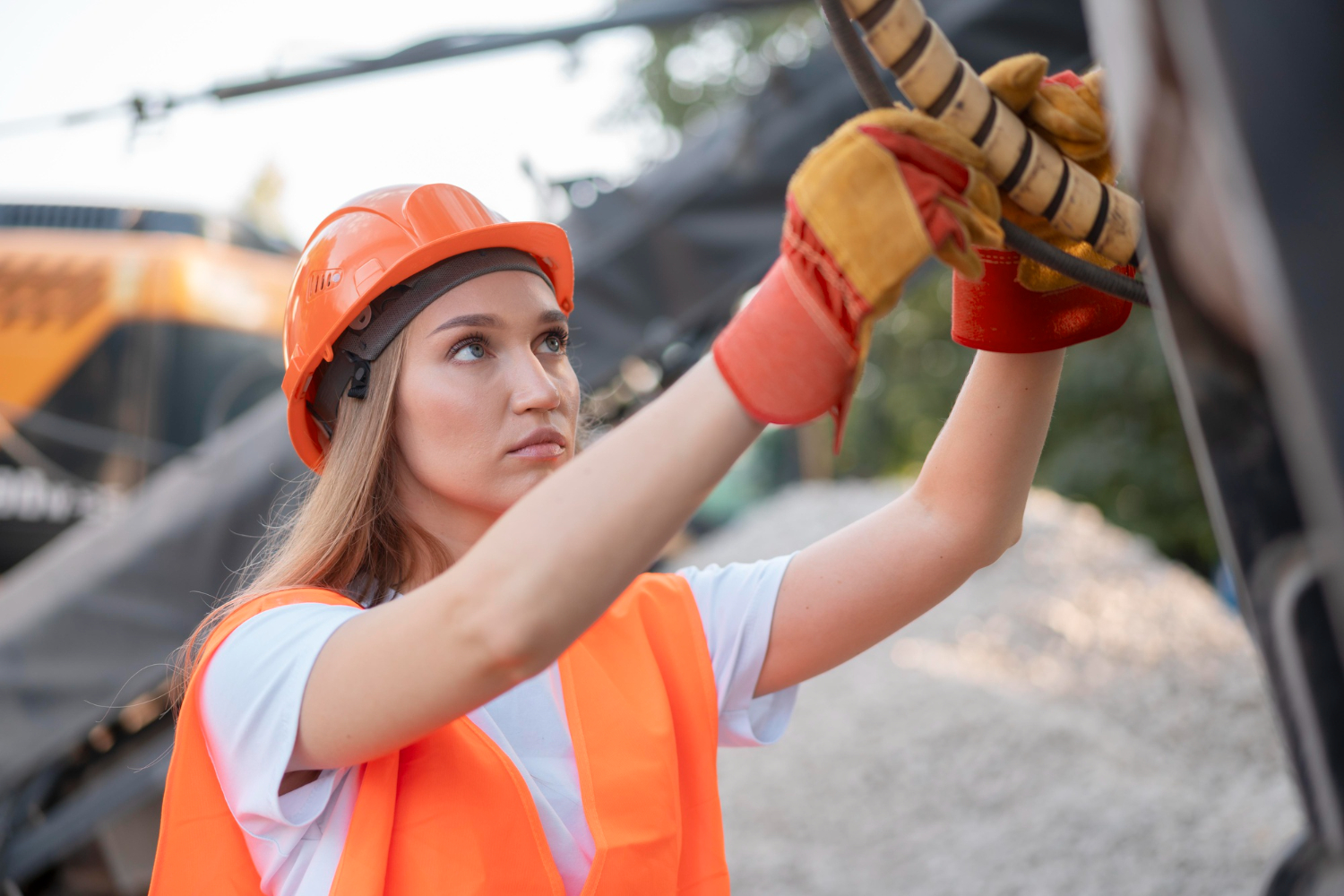
- Hard hats and gloves for additional safety.
- High-visibility vests to remain visible in busy work environments.
Failing to wear the appropriate PPE increases the risk of injury in case of falls or accidents. Employers must enforce PPE requirements as part of their workplace safety policies.
5. Never Override Safety Features or Take Shortcuts
Aerial lifts come with built-in safety mechanisms designed to protect operators. Some common safety violations include:
- Overriding emergency stop functions to keep the lift running.
- Blocking or bypassing safety sensors to speed up operations.
- Using the lift as a ladder or stepping off at elevated heights.
- Operating without authorization or proper training.
These shortcuts might seem like time-savers but significantly increase the risk of accidents. Proper training reinforces the importance of adhering to safety procedures and respecting equipment limitations.
Why Choose VIF Safety Training?
At VIF Safety Training, we specialize in Aerial Lift Operator Training in Nanaimo that meets WorkSafeBC and CSA standards. Our training programs focus on:
- Hands-on experience with real equipment.
- Workplace-specific hazard assessments.
- Compliance with safety regulations to prevent legal issues.
Conclusion
Aerial lift operation is a high-risk task that demands proper training and adherence to safety protocols. By following these five essential safety tips, operators can reduce workplace accidents and improve job efficiency.
If you are looking for certified Aerial Lift Operator Training in Nanaimo, VIF Safety Training provides comprehensive, hands-on courses at the most competitive rates. Contact us today at 250-889-2074 or visit our website to book your training session.