Operating a telehandler requires proper training to ensure safety, compliance, and efficiency in the workplace. In Nanaimo, telehandler operators must meet specific regulatory requirements set by WorkSafeBC. Employers are responsible for ensuring their operators receive adequate instruction and supervision. VIF Safety Training offers a structured telehandler training program that aligns with industry standards and regulations.
If you’re an employer looking to train your workforce or an individual seeking certification, here’s everything you need to know about telehandler operator training in Nanaimo.
Why Telehandler Training Is Essential
Telehandlers, also known as rough terrain forklifts, are versatile machines used in construction, warehousing, and industrial settings. While they are highly functional, they can also be hazardous when operated without proper training. Accidents involving telehandlers can lead to serious injuries, equipment damage, and workplace disruptions.
WorkSafeBC regulations mandate that all mobile equipment operators, including telehandler drivers, must receive adequate training before operating the machinery. Without proper certification, both employees and employers face legal risks and safety concerns.
WorkSafeBC and CSA Standards for Telehandler Training
In British Columbia, telehandler training falls under WorkSafeBC OHS Section 16: Mobile Equipment. This regulation states that no person should operate mobile equipment unless they have received sufficient training in its safe use.
Additionally, training must comply with CSA Standard B335-15, which outlines the necessary instruction for forklift and telehandler operators. Employers are required to provide refresher training every three years to ensure operators remain competent and up to date with safety practices.
Employer Responsibilities in Telehandler Training
As an employer, you are responsible for ensuring that all operators receive the necessary training to comply with regulations. This includes:
- Providing certified telehandler training to all operators before they begin using the equipment.
- Supervising and enforcing safety practices in the workplace.
- Ensuring refresher training takes place every three years.
- Maintaining records of operator training and certification.
- Exercising due diligence to minimize risks associated with telehandler operation.
Employers must also ensure that work is conducted without undue risk of injury, even if a specific regulation is not outlined.
What to Expect from VIF Safety Training’s Telehandler Course
VIF Safety Training provides on-site telehandler operator training in Nanaimo, designed to help both individuals and businesses meet safety and compliance requirements. The course covers essential topics, including:
- Telehandler components and functions
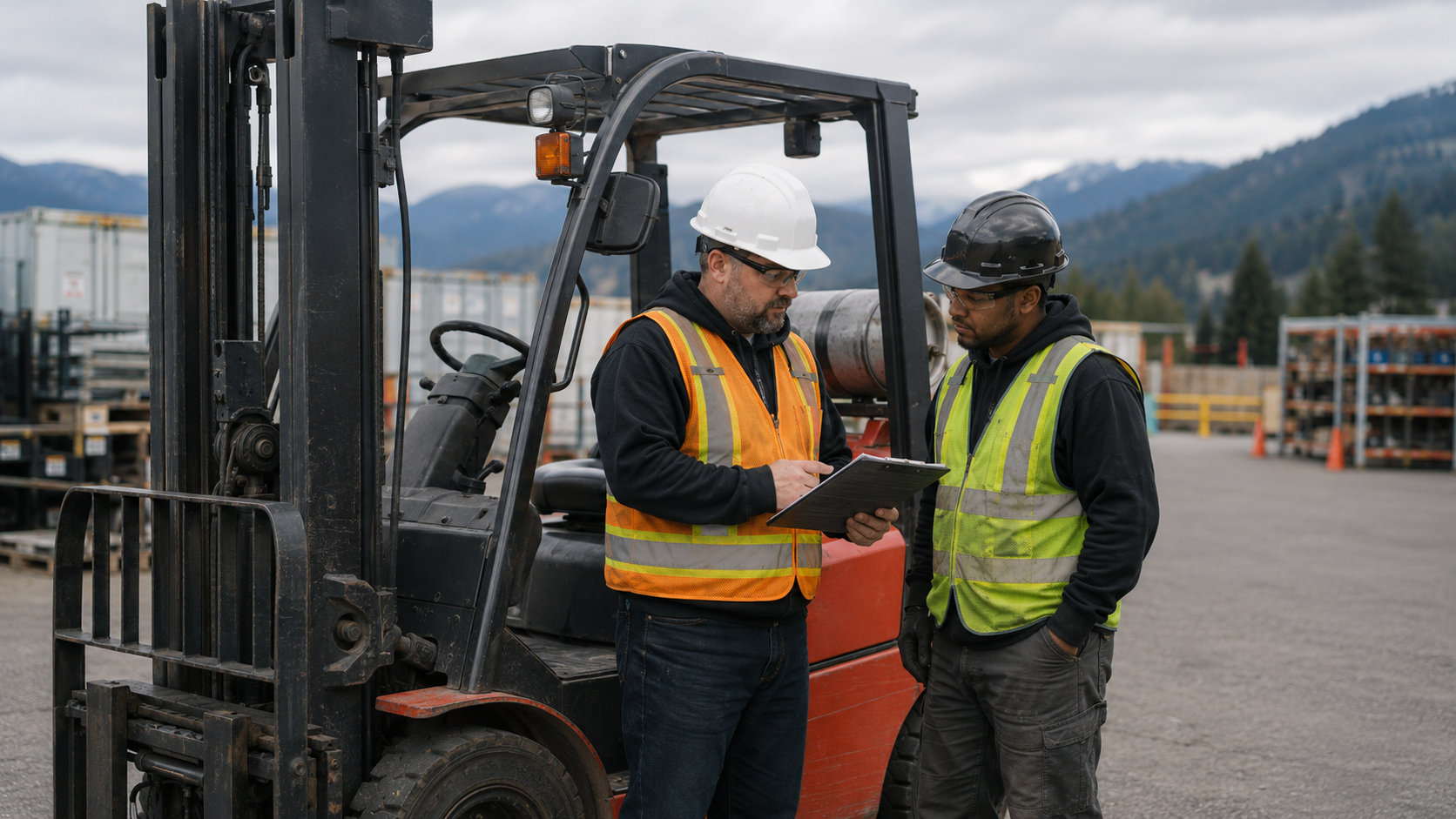
- Pre-operational inspections
- Safe handling and maneuvering techniques
- Load balancing and weight distribution
- Hazard identification and risk management
- WorkSafeBC and CSA compliance requirements
By completing the training, operators will gain the skills needed to operate a telehandler safely and efficiently.
How Long Does Telehandler Training Take?
The duration of the training depends on the participant’s experience level and the specific requirements of the employer. However, VIF Safety Training ensures that all operators receive comprehensive instruction that meets regulatory standards.
Refresher training is required every three years, so businesses should schedule periodic retraining to maintain compliance.
Who Needs Telehandler Training?
Any worker who operates a telehandler in a professional setting must complete certified training. This includes:
- Construction workers
- Warehouse staff
- Industrial operators
- Maintenance teams
- Agricultural workers
Employers hiring new staff or transitioning employees to equipment operation must ensure that they undergo proper training before handling a telehandler.
The Consequences of Skipping Telehandler Training
Operating a telehandler without the necessary training can lead to severe consequences, including:
- Workplace Accidents: Untrained operators are more likely to cause injuries or property damage.
- Legal Liabilities: Employers may face fines and legal penalties if they fail to provide adequate training.
- Equipment Damage: Mishandling a telehandler can result in costly repairs and operational downtime.
- Non-Compliance Issues: Failure to meet WorkSafeBC and CSA standards can lead to workplace shutdowns or legal action.
Ensuring proper training is not just about compliance—it is essential for maintaining a safe and productive work environment.
Why Choose VIF Safety Training for Telehandler Certification?
VIF Safety Training provides high-quality, on-site telehandler operator training in Nanaimo. With a focus on WorkSafeBC compliance and CSA standards, our training programs help businesses and individuals meet regulatory requirements while enhancing workplace safety.
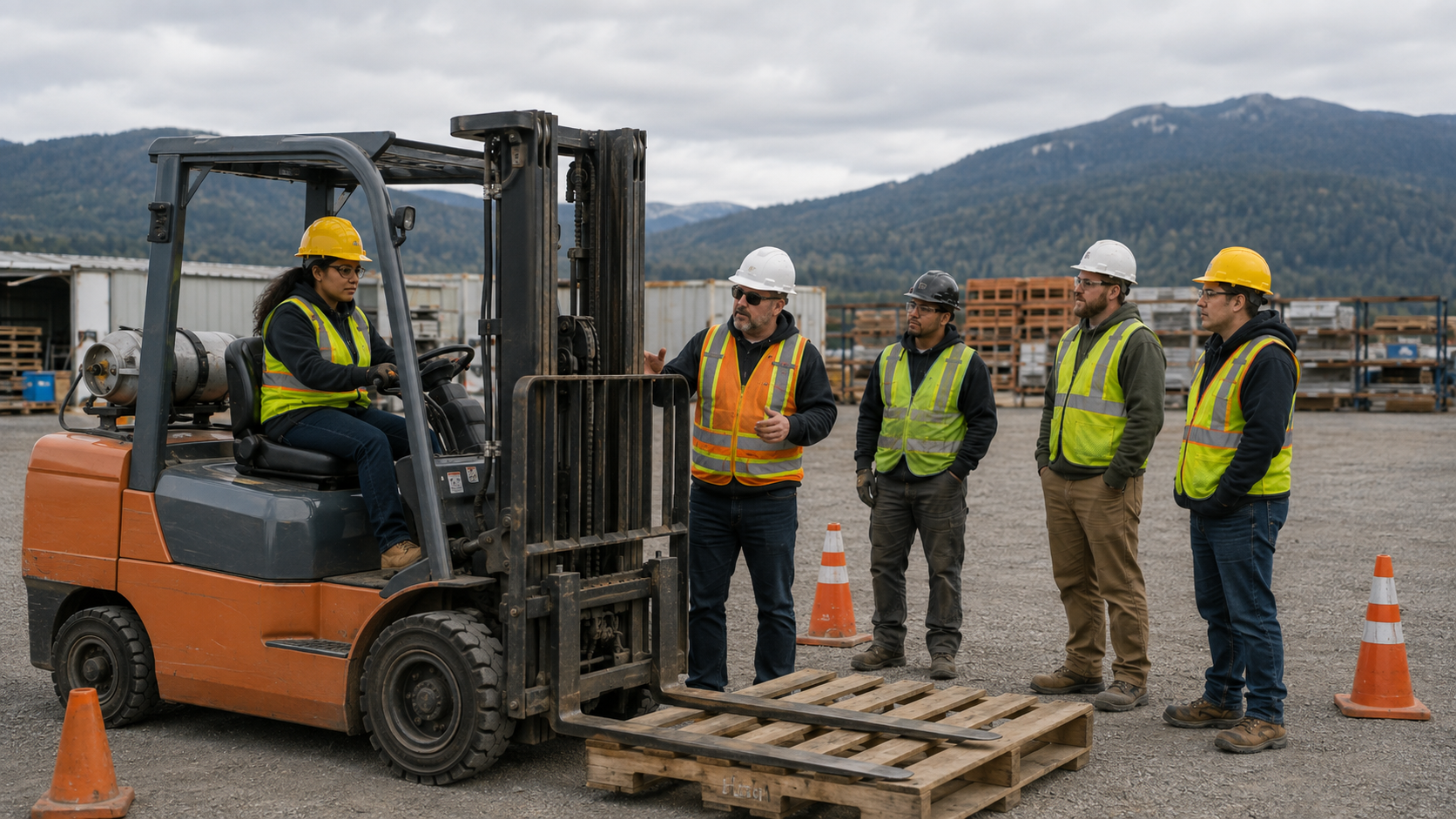
We understand that proper training is critical in preventing accidents and ensuring smooth operations. Our experienced trainers deliver practical, hands-on instruction tailored to real-world work environments.
Conclusion
Ensuring that telehandler operators are properly trained is essential for workplace safety and regulatory compliance. Employers must provide certified training and refresher courses every three years to meet WorkSafeBC and CSA requirements.
If you’re looking for Telehandler Operator Training in Nanaimo, VIF Safety Training offers comprehensive on-site programs to help your business stay compliant and safe. Contact us today at 250-889-2074 or visit our website to get started.