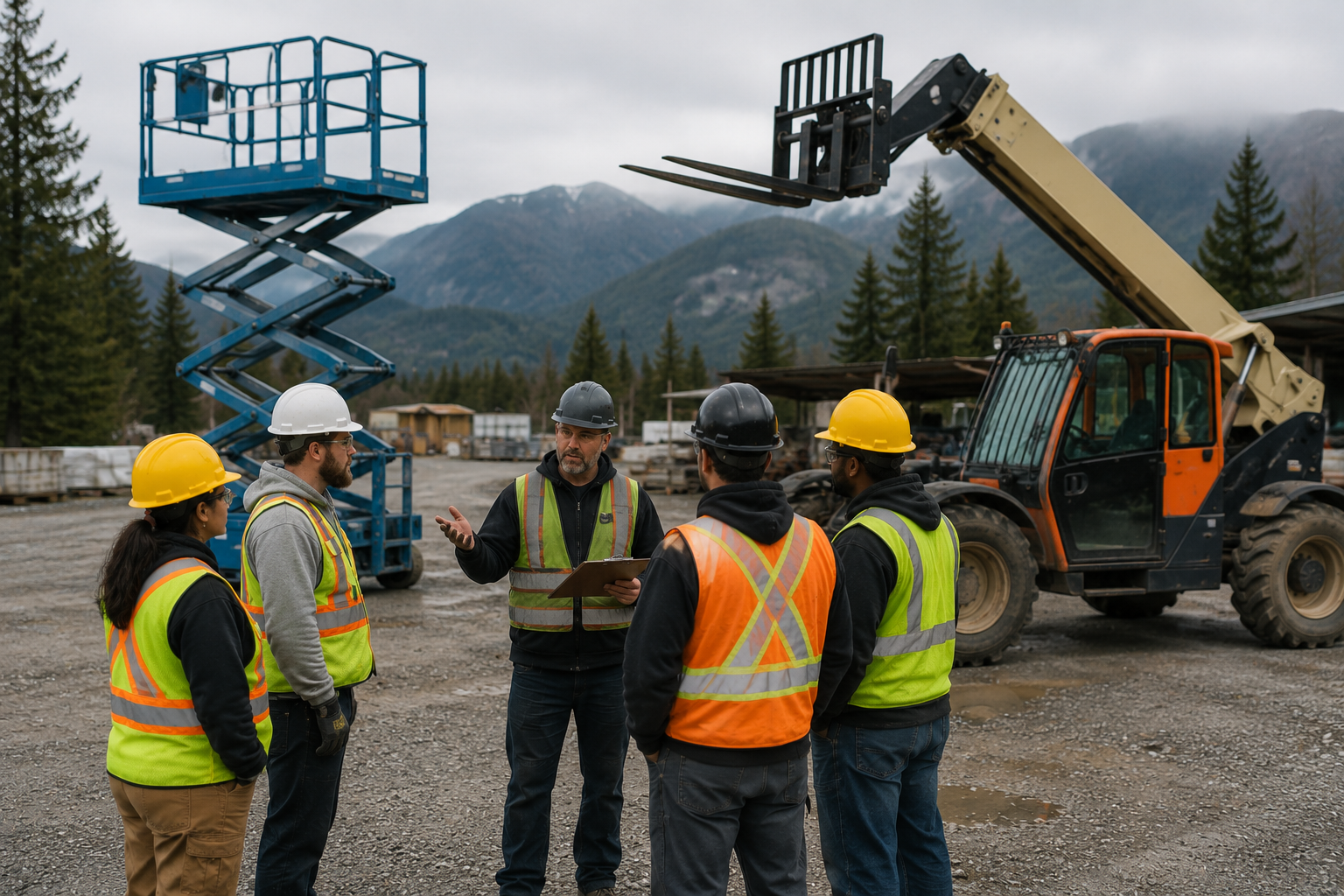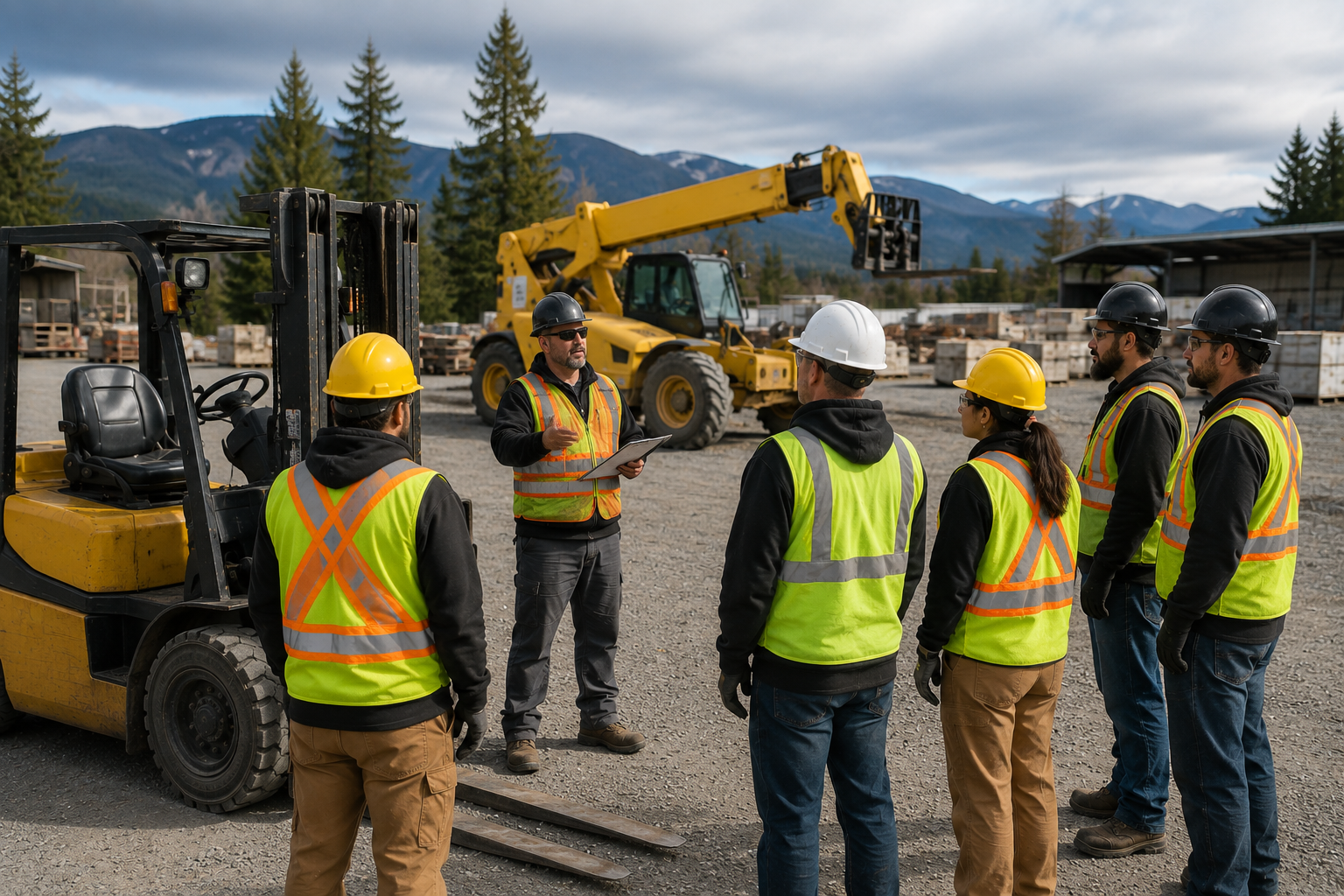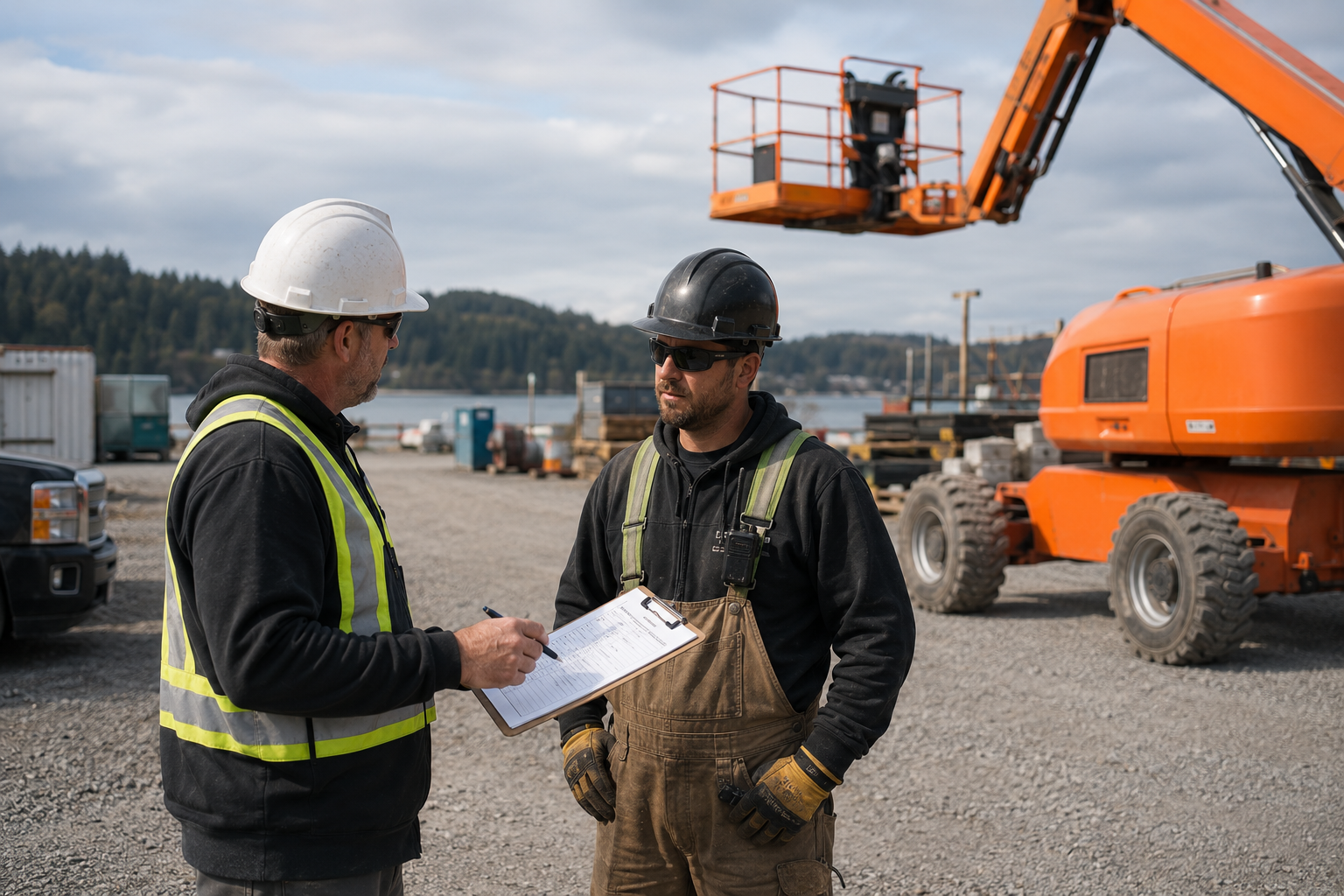
Up above the rooftops of Victoria, in dusty construction yards and behind shimmering glass façades, aerial lifts stand like mechanical limbs reaching skyward. But those machines don’t drive themselves — they demand precision, awareness, and a steady hand.
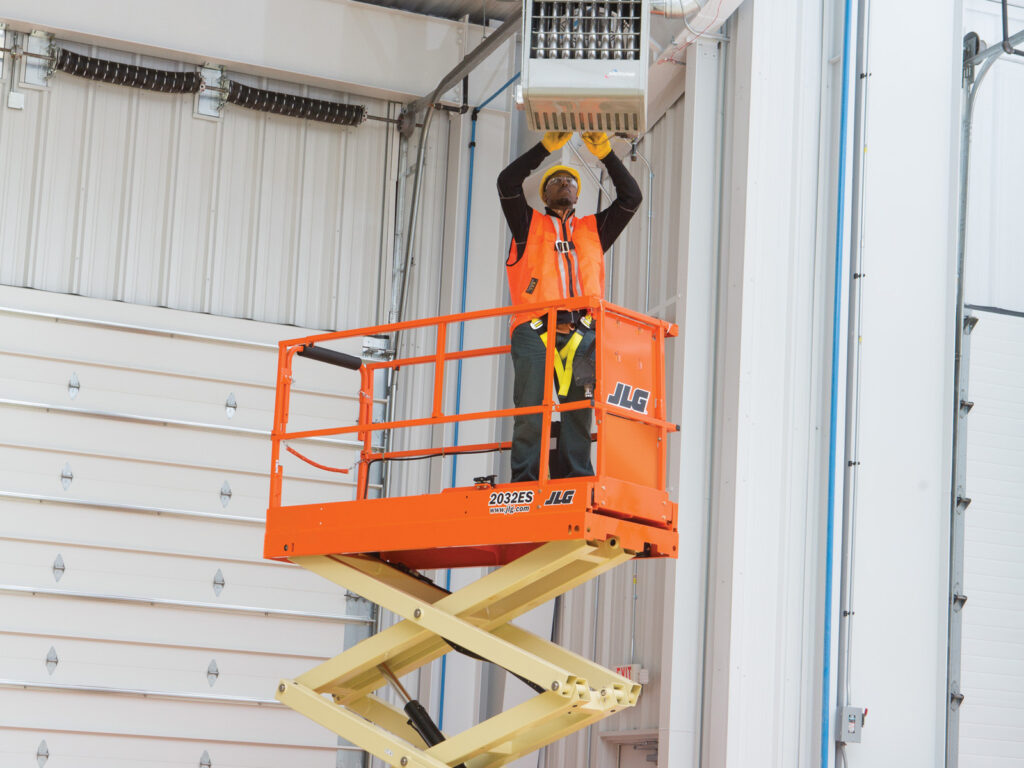
If you’re gearing up for Aerial Lift Operator Training Victoria, here are the essential skills you need to master — and how we bring them alive in real life.
1. Mastering Machine Anatomy & Controls
Before you ever raise the platform, you must know your machine inside out.
- Component Familiarity: Boom arm, rigging, outriggers, control console — you should know the name, function, and safe range of each.
- Controls & Logic: Lift, lower, tilt, rotate — every switch, pedal, joystick must make sense intuitively.
- Manufacturer Limits: Understand the rated load, range of motion, safe operating envelope. Never push beyond limits.
At our on-site training in Victoria, we walk you through each machine version (scissor lifts, telescopic boom lifts, articulating arms) so your hands don’t hesitate when the real job calls.
2. Pre-Use Inspections & Hazard Spotting
One major difference between an “operator” and a safe operator is vigilance.
- Walk-around checks: Tires, hydraulic hoses, guardrails, safety decals, fuel lines, battery, mechanical joints — nothing gets skipped.
- Control Function Tests: Operate each control in an unloaded state — ensure “hold-to-run,” emergency stops, limit switches respond.
- Environmental scan: Slopes, overhead hazards (power lines, steel trusses), ground conditions, obstructions.
- Load & balance: Ensure you’re below the rated capacity, account for tools and personnel.
3. Spatial Awareness & Stability Judgment
When your platform is 20, 40, or even 60 feet high, your decisions must be perfect.
- Center of gravity awareness: Know how shifting weight or wind can tip your platform.
- Outriggers & leveling: Use cribbing or stabilizers when necessary — and double-check your setup.
- Ground vs elevated travel: Many lifts are not safe to move while raised — unless specifically designed. Always verify before repositioning.
- Clearances: Watch for overhead wires, beams, pipes, and swinging loads.
In training, we simulate tricky terrain and constrained sites to sharpen your judgment — because in the job, you won’t always have a wide, perfect worksite.
4. Communication & Coordination Skills
Your platform might be solo — but a jobsite never is.
- Signalling & hand signs: When your view is blocked, ground crew and you need seamless communication.
- Radio / remote signals: Use radios or wireless systems especially when distance or noise prevents hand signals.
- Lift planning & briefing: Before each lift, reassess, coordinate with colleagues, and confirm roles and emergency stops.
- Situational awareness: Be alert to activity around you — cranes, scaffolding, vehicles, pedestrians.
In our Victoria sessions, we incorporate “blind-operation” drills to force you to rely on comms, not just sight.
5. Fall Protection & Safety Systems
No matter how confident you get, gravity is always waiting.
- Personal fall arrest systems (PFAS): Harness, lanyard, anchor point — always secure before stepping aboard. WorkSafeBC requires that operators on elevating work platforms use PFAS except in limited scissor lift conditions.
- Guardrails and gates: Never bypass or climb over rails.
- Emergency controls: Know how to use lower-from-ground or override functions.
- Alarm and tilt sensors: Never disable alarms. They exist to save lives.
- Rescue planning: If someone is incapacitated on a platform, ground teams must know how to respond safely and quickly.
When we train in Victoria, we make operators practice graceful but fast rescue drills — because in an emergency, hesitation costs.
6. Safe Operation & Smooth Controls
Here’s where muscle memory meets calm execution.
- Start-up & warm-up: Let hydraulics stabilize, test all motion ranges before live loading.
- Slow, controlled movement: Avoid jerks; smooth transitions protect operators and structures.
- Correct sequencing: Deploy outriggers first, level, then extend — don’t rush the built-in safe order.
- Avoiding the extremes: Don’t overextend boom length before securing base, maintain margin for error.
- Positioning vs “stretching”: If your reach is marginal, reposition rather than overextend the boom.
During real-lift drills in our sessions, we time candidates on precision — the faster but safer you place a load, the better.
7. Emergency Response & Breakdown Handling
When things go wrong, your training must kick in automatically.
- Emergency stop usage: Know how to instantly cut power or lower the platform.
- Power loss / hydraulic failure: Recognize symptoms and secure the platform safely.
- Rescue downhill: Use ground controls if possible; coordinate rescue carefully.
- Fault reporting: Any abnormality — report, tag out, and don’t operate again until cleared.
We simulate “mid-lift stall” or “tilt alarm” events so operators don’t freeze when it matters most.
8. Regulatory Knowledge & Compliance
You can’t just do — you must know why.
- WorkSafeBC & OHS rules: In BC, aerial lift operations fall under OHS Sections concerning ladders, scaffolds, platforms.
- Equipment marking: The lift must have rated load, load charts, manufacturer plates visible.
- Inspection & maintenance records: Employers must keep logs of inspections, repairs, testing.
- CSA standards for MEWPs: Many BC courses follow CSA B354.7 / B354.8 for aerial platform operations.
- Training validity / refresher schedule: Operators often need renewal or refresher training periodically to maintain competency.
In Victoria, we infuse this regulatory layer so students don’t just operate, but defend their operation legally and ethically.
9. Soft Skills: Focus, Patience & Resilience
Operation isn’t all hydraulics and steel — the mind counts.
- Concentration: One moment of distraction at height can cause disaster.
- Patience under stress: When lift cycles lag or weather intervenes, composed decisions win.
- Adaptability: Each site is unique — scaffold above, pond below, uneven ground — you adjust.
- Clear situational judgment: When something feels “off,” stop and inspect — don’t push.
Our Victoria classes include simulated distractions (sound, comms noise, shifting loads) to train mental focus under pressure.
10. Record-Keeping, Reporting & Continuous Improvement
Once training ends, the job begins — and operators who live in logs grow faster.
- Logbooks: Record every lift, issue, near-miss, inspection.
- Continuous feedback loops: Review incidents and refine processes.
- Peer review / mentoring: Senior operators can coach novices on subtle maneuvers.
- Upgrading skills: Evolve to more complex lifts (articulating, telescopic) with practice and training.
We have graduates come back to mentor later classes — building a cycle of excellence in Aerial Lift Operator Training Victoria.
Why These Skills Matter in Victoria
Victoria’s job sites face rainy weather, tight urban construction zones, older building façades, and evolving regulations. Operators here often deal with:
- Narrow alleys and confined neighborhoods
- Height constraints near heritage structures
- Variable surfaces (slopes, wet surfaces)
- Frequent regulatory inspections
Mastering the above skills means not just “passing training,” but excelling on real job sites in Victoria — earning safety, respect, and consistent work.
In Practice: A Day in the Life After Training
Meet Claire, newly certified through our Aerial Lift Operator Training Victoria program. She arrives at a downtown heritage-job site:
- Pre-check: Walks machine, logs defects, ensures hydraulic lines are sound.
- Setup: Deploys outriggers, levels, radios ground crew.
- Lift mission: She extends boom, carefully maneuvers around eaves and power lines.
- Precision: Places materials and tools without brushing the façade.
- Emergency drill: Midway, a tilt sensor triggers — she halts, retracts, resets, reports.
- Debrief: Logs everything, reports a minor hydraulic hiss — machine pulled for repair.
She moves with confidence because training gave her more than rules — it gave instincts.
Final Thoughts
When you enroll in Aerial Lift Operator Training Victoria, you’re not just learning “how” to use a machine — you’re building judgment, safety muscle, and professional standards. These ten essential skill sets form the foundation of a confident, capable operator.
Want to experience these skills hands-on? Let us bring the training to your site in Victoria. You’ll leave with competence, certification, and a mindset sharpened for safety at altitude.
Contact us today to schedule your session in Aerial Lift Operator Training Victoria. Let’s elevate your skills — literally and figuratively.