
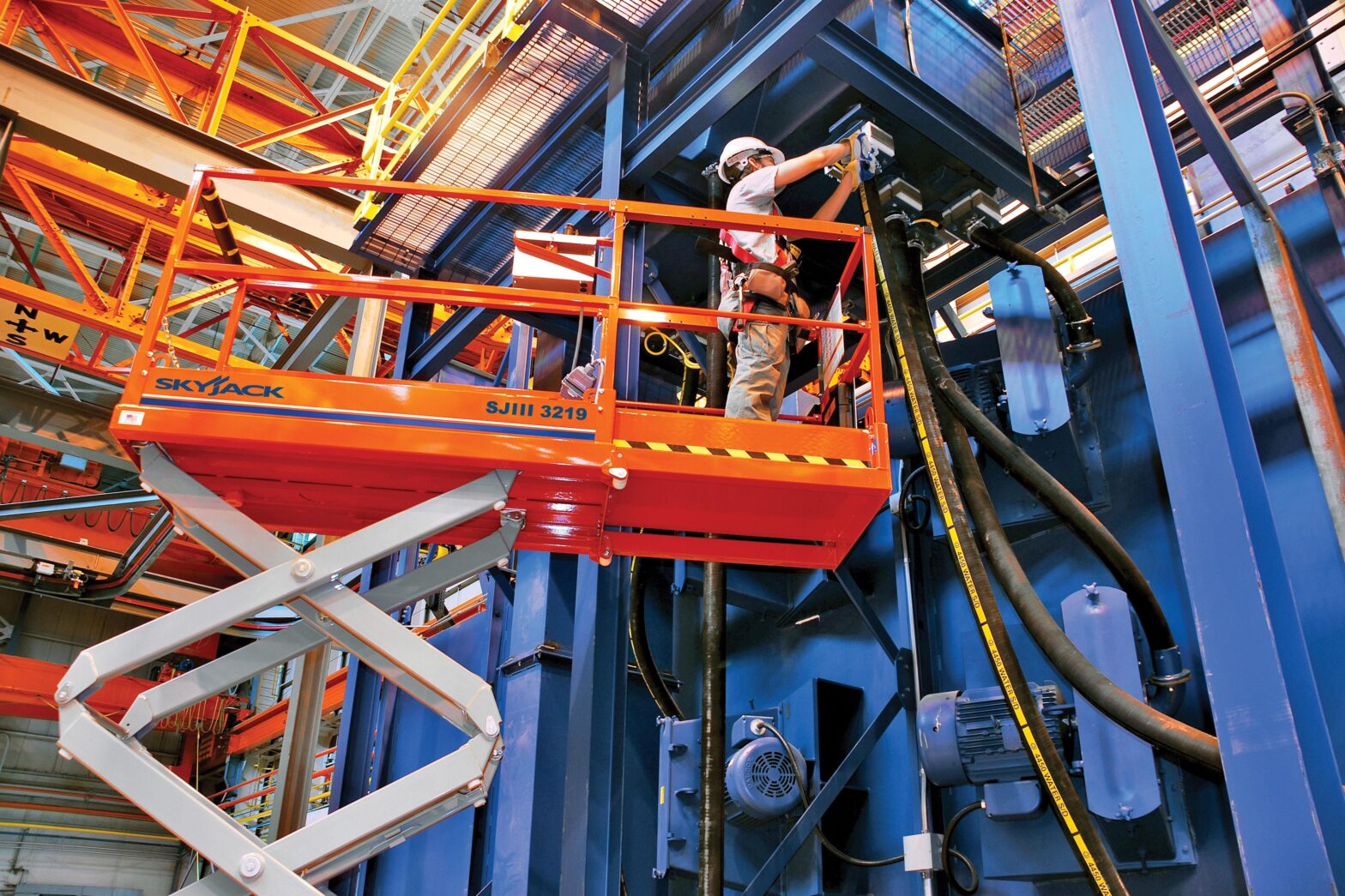
When it comes to working at heights, safety is the top priority. Aerial lifts, including boom lifts and scissor lifts, are indispensable tools in construction, maintenance, and many other industries.
However, operating these machines without proper training can lead to accidents, injuries, and even fatalities. This is where Aerial Lift Operator Training in Campbell River becomes essential.
Let’s explore why this training is crucial for job site safety, especially in Campbell River and Victoria.
Understanding Equipment Operation
Aerial lift operator training equips workers with the knowledge needed to operate aerial lifts safely and effectively. Trainees learn about the different types of aerial lifts, their functions, and how to operate them correctly.
This foundational knowledge is vital in preventing accidents caused by misuse or misunderstanding of the equipment.
Compliance with Safety Regulations
Safety regulations mandate that operator of aerial lifts be adequately trained and certified. In both Campbell River and Victoria, adherence to these regulations not only helps protect employees but also shields businesses from potential legal issues and penalties.
Aerial lift operator training ensures compliance with provincial and national safety standards, creating a safer work environment for everyone involved.
Minimizing Workplace Accidents
Aerial lift accidents can result from a variety of factors, including operator error, equipment malfunction, or environmental hazards. Training programs focus on identifying and mitigating these risks.
Operators learn to conduct pre-use inspections, recognize potential hazards, and implement safety protocols. By minimizing the likelihood of accidents, businesses can protect their employees and reduce downtime caused by injuries.
Promoting Safe Work Practices
Aerial lift operator training emphasizes the importance of safe work practices. This includes proper use of personal protective equipment (PPE), understanding weight limits, and maintaining a safe distance from power lines and other hazards.
Trainees are also taught how to communicate effectively with ground personnel to ensure a coordinated approach to safety. By instilling a culture of safety, businesses can enhance their overall operational efficiency.
Boosting Employee Confidence
Proper training not only improves safety but also boosts employee confidence. When operators feel equipped with the skills and knowledge to operate aerial lifts safely, they are more likely to perform their tasks effectively.
This confidence translates into better job performance, reduced stress, and increased job satisfaction.
Reducing Equipment Damage
Accidents often lead to damage not only to the equipment but also to surrounding structures. Aerial lift operator training teaches best practices for equipment operation, helping to minimize wear and tear.
By ensuring that operators understand how to handle equipment responsibly, businesses can extend the lifespan of their aerial lifts and reduce maintenance costs.
Enhancing Company Reputation
Investing in aerial lift operator training demonstrates a commitment to safety and employee well-being. Companies that prioritize training foster a positive reputation within their industry and community.
This reputation can lead to increased client trust and improved employee morale, as workers feel valued and secure in their roles.
The Bottom Line
Aerial lift operator training is essential for ensuring jobsite safety and compliance with regulations. By investing in this training, businesses in Campbell River and Victoria can protect their employees, minimize accidents, and enhance operational efficiency.
If you’re looking to prioritize safety at your jobsite, consider partnering with a trusted provider like VIF Safety Training for comprehensive aerial lift operator training.
FAQs
What does aerial lift operator training include?
Training typically covers equipment operation, safety protocols, pre-use inspections, and risk management.
How long does the training last?
Training duration can vary, but most programs last a few hours to a full day, depending on the complexity of the equipment.
Is certification necessary after training?
Yes, most regulations require operators to be certified after completing training to ensure compliance and safety.
Can training be tailored to specific industries?
Absolutely! Many training providers offer customized programs to address the unique challenges of different industries.
How often should operators undergo refresher training?
Refresher training is generally recommended every three years or whenever an operator’s performance warrants it.