
When it comes to working at heights, safety isn’t just important — it’s non-negotiable. In British Columbia, where construction, warehousing, and industrial operations are booming, choosing the right kind of lift training could mean the difference between a safe, productive job site and a serious accident.
One of the most common questions we hear at VIF Safety Training is this:
“Isn’t aerial lift training the same as scissor lift training?”
The short answer? No.
The long answer? Let’s break it down.
Understanding the Equipment First
Before we talk training, let’s clear up what each piece of equipment actually is, because the type of lift determines what kind of training is required.
Scissor Lifts
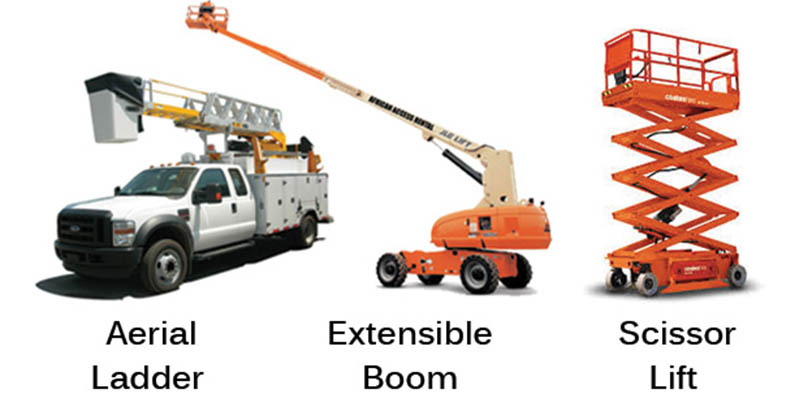
Scissor lifts are designed to move workers vertically. They go up and down in a straight line — like a rising platform — using a crisscrossing (scissor-like) support structure underneath. You’ll find these lifts used in:
- Indoor maintenance
- Warehouse access
- Retail setups
- Construction staging
Scissor lifts offer stable, limited-range vertical access. No boom arm, no lateral movement.
Aerial Lifts (aka Boom Lifts)
“Aerial lift” is a broader category. It includes any mobile platform that allows workers to access elevated work areas, especially those that extend outwards, not just up.
This includes:
- Telescopic boom lifts
- Articulating boom lifts
- Bucket trucks
- Cherry pickers
These lifts provide vertical and horizontal reach, making them ideal for:
- Exterior construction
- Tree trimming
- Utility work
- Building inspections
Training Requirements: A Clear Distinction
In Canada — and specifically in BC under WorkSafeBC — training must comply with CSA standards, which differ for each type of lift.
| Lift Type | Training Standard | Required Skills |
|---|---|---|
| Scissor Lift | CSA B354.2 | Operation, hazard recognition, emergency procedures |
| Aerial Lift (Boom Lift) | CSA B354.4 | Multi-axis operation, stability control, and fall arrest |
Key Point:
If your team uses both types of lifts, they need training on both. One certification does not cover both types.
What Does Each Training Cover?
Let’s dive into what you can expect during each type of training at VIF Safety Training.
Scissor Lift Training Covers:
- Pre-use inspection checklist
- Safe operating procedures
- Emergency lowering systems
- Proper positioning and stabilization
- Workplace hazard identification (uneven surfaces, overhead obstructions)
- Safety zone management (barricading, signage)
This course is ideal for:
- Warehouse staff
- Painters
- Indoor facility maintenance workers
- Low-rise construction teams
Aerial Lift (Boom Lift) Training Covers:
- Boom and arm controls
- Swing radius hazards
- Load limits and balance
- Fall protection system use
- Risk of tip-over and wind effects
- Safe emergency descent procedures
- Terrain navigation and stabilization on uneven ground
This course is essential for:
- Electricians and sign installers
- Exterior painters
- Arborists
- Telecommunication and utility crews
Why the Difference Matters
Here’s where it gets serious: accidents don’t care about shortcuts.
Imagine a worker who’s only trained on a scissor lift getting behind the controls of a telescoping boom lift. Without knowing how to manage the extra range of motion, load swing, and fall arrest systems, that worker is exposed — and so is your business.
Risks of Untrained Operators:
- Tip-overs and fatal falls
- Equipment damage
- Legal liability for employers
- WorkSafeBC violations and fines
- Insurance problems
Under WorkSafeBC OHS regulations:
“A person must not operate mobile equipment unless the person has received adequate instruction in the safe use of the equipment.”
→ That means specific training, not just a general overview.
Common Myths Debunked
“If you’ve used one lift, you can use them all.”
Not even close. The mechanics, safety protocols, and emergency procedures are different for each lift.
“My jobsite only uses scissor lifts, so we don’t need aerial lift training.”
Unless you’ve done a hazard assessment that guarantees you’ll never use a boom-style lift — even for a temporary job — this thinking can lead to compliance gaps.
“Online training is enough.”
While some theory can be covered online, hands-on practical evaluation is required under CSA standards and WorkSafeBC guidelines.
BC Employers: What You Need to Know
As of September 1, 2021, aerial work platform training in BC must meet CSA B335-15 standards. Refresher training is recommended every 3 years, or sooner if:
- The operator is involved in a near-miss or incident
- Equipment or jobsite conditions change
- The worker is observed operating unsafely
As an employer, you’re also required to:
- Keep detailed training records
- Supervise and monitor performance
- Provide site-specific instruction
Choosing the Right Training Partner
At VIF Safety Training, we don’t believe in cookie-cutter courses. Our training is:
- On-site – We come to your jobsite for real-world relevance.
- CSA-compliant – Aligned with B354.2 and B354.4 standards.
- Delivered by experienced instructors – Including Red Seal tradespeople and former military personnel.
- Customized – Tailored to your industry and equipment types.
Final Verdict: Which Training Do You Need?
Here’s a quick guide:
| Your Equipment | You Need |
|---|---|
| Only vertical access, indoor use | Scissor Lift Training |
| Extended or articulated reach, outdoor use | Aerial (Boom) Lift Training |
| Both types are in use | Both Certifications Required |
Still unsure? We’ll assess your site and recommend exactly what your team needs — no guesswork.
Ready to Get Certified?
Avoid confusion, avoid fines, and most of all — avoid preventable accidents.
Contact VIF Safety Training today to book aerial or scissor lift training across Campbell River, Victoria, Nanaimo, and beyond.
Call us at 250-889-2074 or use our contact form to book your training now.
Safety starts with smart training. We’ll make sure your crew is ready for the heights — and whatever comes with them.