
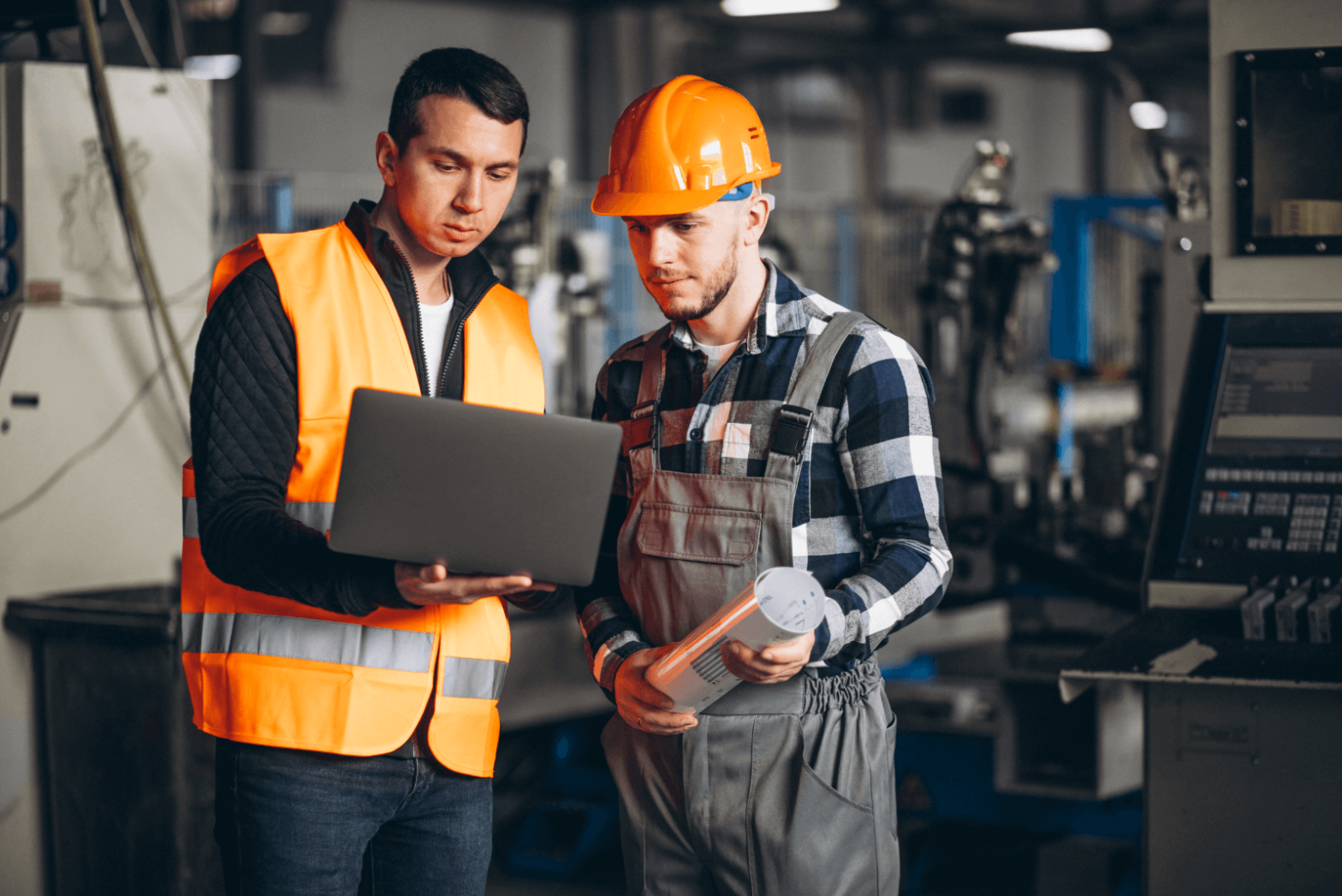
When it comes to workplace safety, there’s one phrase that should be on every company’s radar: Safety Training Program. It’s not just about ticking a regulatory box; it’s about creating a culture of awareness, reducing risks, and protecting what matters most—your employees.
Whether you’re managing a bustling warehouse, operating heavy machinery, or working in a confined space, safety training is a non-negotiable element of a thriving business. Here’s why every company, no matter the industry, needs to prioritize safety training programs.
What Is a Safety Training Program?
At its core, a Safety Training Program is an organized effort to educate employees about workplace hazards and how to avoid them. These programs range from general safety practices to specialized training on operating forklifts, aerial lifts, or managing hazardous materials.
For example, in British Columbia, companies must adhere to standards like WorkSafeBC’s Occupational Health and Safety (OHS) regulations. Employers are obligated to ensure their workers are adequately trained, especially when operating mobile equipment or working in confined spaces. But it’s not just about legal compliance; a well-designed safety program goes beyond the basics to foster a proactive approach to workplace safety.
The Benefits of a Safety Training Program
1. Reduces Workplace Accidents
Every day, workplaces worldwide see accidents that could have been avoided with proper training. Forklift mishaps, falls from aerial lifts, and equipment misuse often lead to serious injuries or worse. A Safety Training Program ensures employees know how to operate machinery safely, identify potential hazards, and react appropriately during emergencies.
2. Enhances Productivity
Contrary to popular belief, safety and efficiency go hand-in-hand. Employees trained to handle equipment and perform tasks safely are less likely to make mistakes, leading to smoother operations. When workers feel confident and protected, they’re more focused, less stressed, and ultimately more productive.
3. Ensures Legal Compliance
Employers have a legal duty to provide a safe work environment. In places like BC, regulations under WorkSafeBC and CSA standards mandate proper training for forklift and aerial lift operators. Non-compliance can lead to hefty fines, lawsuits, or even a shutdown. A Safety Training Program not only keeps you compliant but also demonstrates your commitment to employee well-being.
4. Lowers Costs
Workplace injuries can be expensive. Medical bills, legal fees, equipment damage, and lost productivity all add up. By investing in a Safety Training Program, companies can significantly reduce these costs. Prevention, after all, is far more affordable than reaction.
5. Improves Employee Morale
A company that prioritizes safety sends a clear message to its employees: “We care about you.” This commitment builds trust and loyalty, resulting in happier, more engaged workers. Employees are more likely to stay with a company that actively invests in their safety and well-being.
Key Components of an Effective Safety Training Program
Creating an effective Safety Training Program involves more than just a one-time seminar. It requires a comprehensive approach tailored to your industry and workforce. Here are the key components:
1. Hazard Identification
Start by assessing your workplace for potential risks. Are there heavy machines like forklifts? Do employees work at heights or in confined spaces? Understanding the hazards helps you design targeted training.
2. Customized Training Modules
One size doesn’t fit all. Your program should include modules tailored to specific tasks and equipment. For instance:
- Forklift and scissor lift operation
- Fall protection techniques
- Lockout/tagout procedures for hazardous energy
- Confined space awareness and entry protocols
3. Hands-On Training
Classroom sessions are important, but hands-on practice is crucial. Employees must get practical experience under supervision to ensure they can apply what they’ve learned.
4. Regular Refreshers
Training isn’t a one-and-done process. Equipment evolves, regulations change, and skills fade over time. Regular refresher courses every 2-3 years ensure employees stay updated.
5. Documentation
Keep records of all training sessions, certifications, and evaluations. This not only helps with regulatory compliance but also tracks employee progress and identifies areas for improvement.
Industries That Benefit Most from Safety Training
While every industry can benefit from a Safety Training Program, some sectors face higher risks and need these programs more urgently:
- Construction: Falls, equipment accidents, and electrical hazards are common.
- Warehousing: Forklift operation and material handling pose significant risks.
- Manufacturing: Lockout/tagout procedures and machine safety are critical.
- Transport and Logistics: Loading/unloading and vehicle operation require specialized training.
How to Implement a Safety Training Program
If you’re new to safety training, here’s a simple roadmap to get started:
- Assess Your Needs: Identify the hazards specific to your workplace.
- Choose a Training Provider: Partner with experts like Van Isle Forklift, who offer comprehensive on-site training tailored to your needs.
- Engage Your Team: Involve employees in the process to encourage buy-in.
- Monitor and Improve: Evaluate the program’s effectiveness regularly and make adjustments based on feedback and incident reports.
Conclusion
A Safety Training Program isn’t just a regulatory requirement; it’s a business essential. It protects your employees, boosts productivity, saves costs, and builds a positive company culture. By investing in safety training, you’re not only safeguarding your workforce but also laying the foundation for long-term success.
Remember, a safer workplace starts with you. Whether it’s forklift operation, fall protection, or confined space awareness, ensure your employees are equipped with the knowledge and skills they need to work confidently and safely. Don’t wait for an accident to be the wake-up call—start building a culture of safety today!