
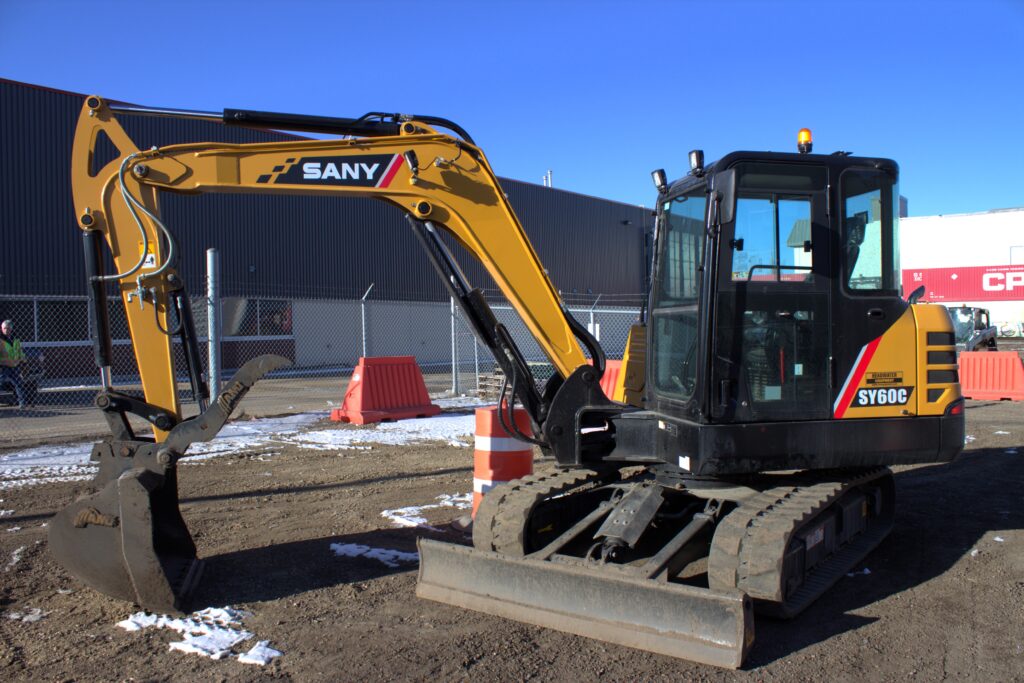
Workplace safety is a top priority for businesses that rely on heavy machinery such as forklifts, aerial lifts, mini excavators, and overhead cranes. Proper training and certification ensure that operators understand safety regulations and how to handle equipment effectively. If you’re looking into Equipment Operator Certification in Nanaimo, you might be wondering about the prerequisites and what steps are required before enrolling in a training program.
This guide will walk you through the essential requirements, industry regulations, and what you need to do to become a certified operator in Nanaimo.
Why Certification is Important
Operating heavy machinery without proper training can lead to serious accidents, workplace injuries, and even fatalities. Employers are legally required to ensure that their workers are properly trained before operating mobile equipment. Certification programs are designed to meet industry standards and safety regulations, reducing risks and promoting a safer work environment.
In Nanaimo, equipment operator training aligns with WorkSafeBC regulations and CSA (Canadian Standards Association) standards, ensuring that workers are properly educated before stepping into a hands-on role.
General Prerequisites for Equipment Operator Certification
Most equipment operator training programs do not have strict prerequisites, but there are a few general requirements that candidates should meet before enrolling. These may vary depending on the type of equipment being used and the specific training provider.
1. Minimum Age Requirement
To enroll in an equipment operator certification course, candidates must typically be at least 18 years old. This is a standard requirement in most workplaces due to safety concerns and legal labor regulations.
2. Physical Fitness and Health Considerations
Operating heavy machinery requires physical stamina, coordination, and good vision. While most training programs do not mandate a medical exam, certain employers may require a basic fitness test or medical clearance to ensure that operators are physically capable of performing the job safely.
3. Basic Literacy and Comprehension Skills
Equipment operator training involves reading manuals, understanding safety guidelines, and following written instructions. While no formal education is required, trainees should have basic English literacy and comprehension skills to grasp important safety procedures. Some training providers may offer instruction in multiple languages or provide additional assistance for those who need it.
4. Employer-Specific Requirements
If you are enrolling in training through your employer, they may have additional prerequisites based on company policies. This could include prior work experience, completion of internal safety courses, or on-the-job training before formal certification.
Prerequisites for Specific Equipment Certifications
While general prerequisites apply to most operator training courses, certain types of equipment may have additional requirements.
Forklift Operator Certification
- No prior experience is required, but familiarity with warehouse operations is beneficial.
- Must understand workplace safety protocols.
- Certification requires both theoretical learning and hands-on practical training.
Aerial Lift Certification (Scissor Lift & Boom Lift)
- No prior experience needed.
- Training must comply with CSA Standard B354.2 (scissor lifts) and B354.4 (boom lifts).
- Operators must be trained on fall protection equipment.
Mini Excavator Certification
- No specific background is required, but experience in construction or landscaping can be helpful.
- Operators must be able to handle precise movements and spatial awareness.
Overhead Crane & Basic Rigging Certification
- Some employers may require prior experience with rigging or material handling.
- Candidates must understand load limits and basic physics principles.
Fall Protection Training
- This course is mandatory for workers using aerial lifts, scaffolds, or working at heights.
- Trainees must understand how to properly use harnesses and fall arrest systems.
Confined Space Awareness & Entry Training
- Required for workers entering enclosed or restricted spaces.
- Participants must learn about ventilation, gas detection, and emergency procedures.
What to Expect During the Certification Process
Classroom Training
Most programs begin with classroom-based instruction, covering topics such as:
- Safety regulations and legal requirements
- Equipment components and operation
- Hazard awareness and risk assessment
Practical Hands-On Training
Trainees must demonstrate their ability to operate the equipment safely under instructor supervision. This includes:
- Performing equipment inspections
- Maneuvering in confined spaces
- Handling loads and attachments properly
Written and Practical Exams
To obtain certification, candidates must pass both a written test and a hands-on evaluation. The written test ensures understanding of safety guidelines, while the practical exam assesses real-world operating skills.
Certification Validity and Renewal
Equipment operator certifications are not permanent and must be renewed periodically. In British Columbia:
- Forklift certification must be renewed every three years per CSA Standard B335-15.
- Aerial lift certifications also require periodic refresher courses.
- Some employers may require annual evaluations to maintain compliance.
How to Get Started with Equipment Operator Certification in Nanaimo
If you’re ready to pursue certification, the first step is to find a reputable training provider that offers courses aligned with WorkSafeBC and CSA standards. When choosing a program, consider the following:
- Does the training cover both theory and hands-on practice?
- Are the instructors certified and experienced?
- Will you receive official certification upon completion?
- Does the course include refresher training options?
Conclusion
Becoming a certified equipment operator in Nanaimo is a crucial step toward ensuring workplace safety and compliance with industry regulations. Whether you’re an individual looking to expand your job opportunities or an employer seeking training for your workforce, proper certification is essential for reducing risks and improving efficiency on the job site.
For comprehensive, high-quality training at the lowest price, visit VIF Safety Training and get started on your Equipment Operator Certification in Nanaimo today. Contact us at 250-889-2074 for more details or to book a training session.