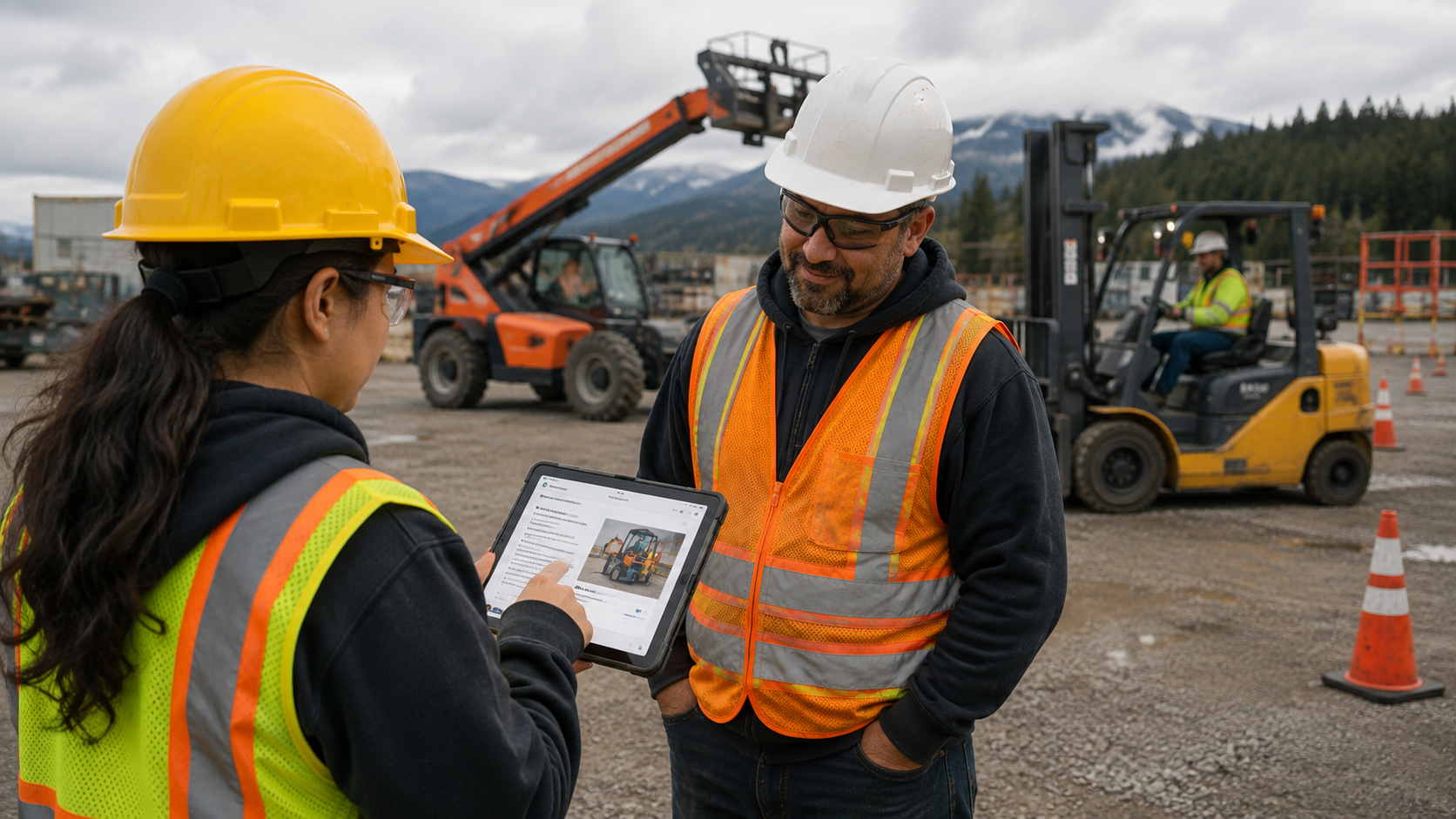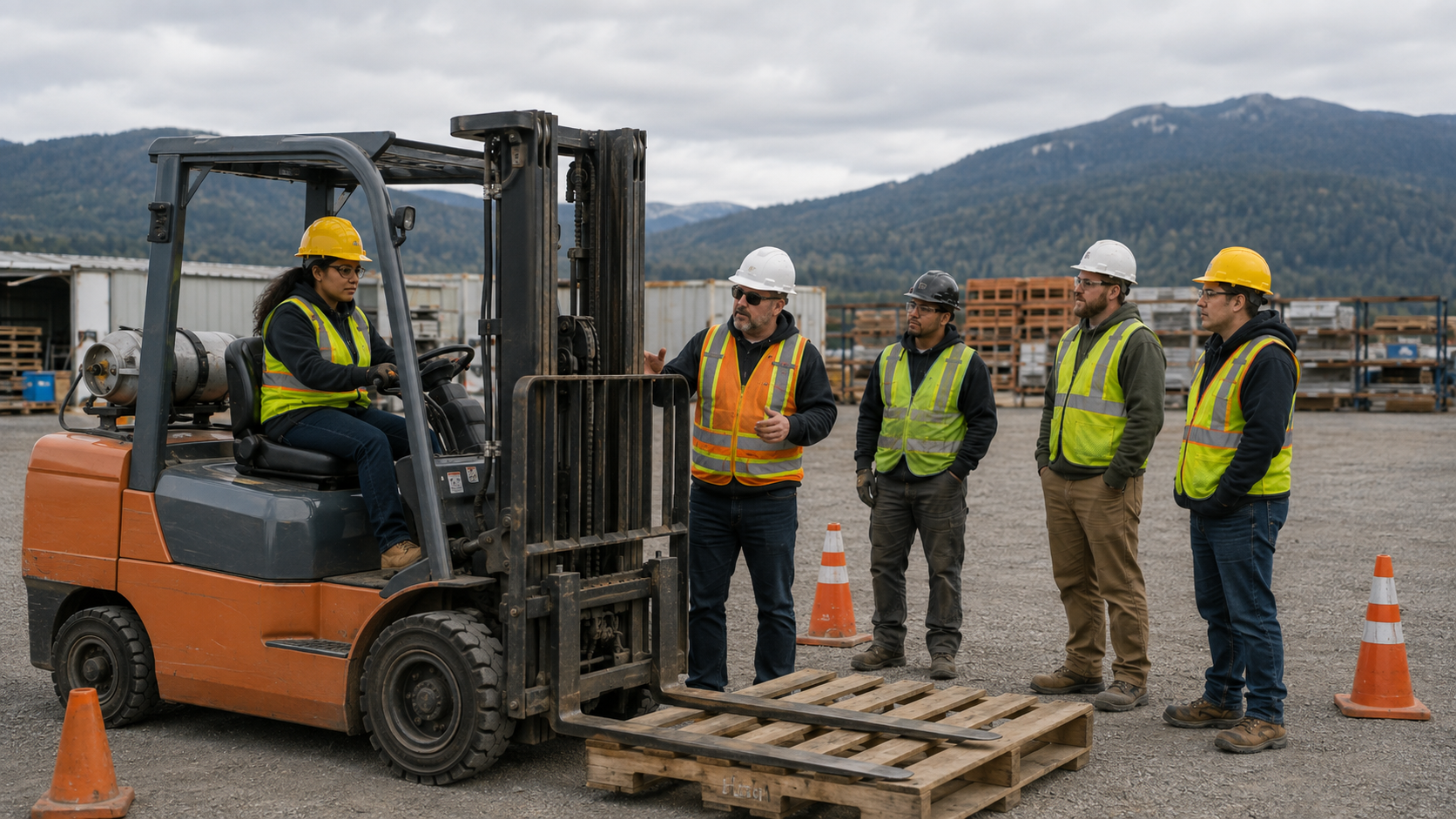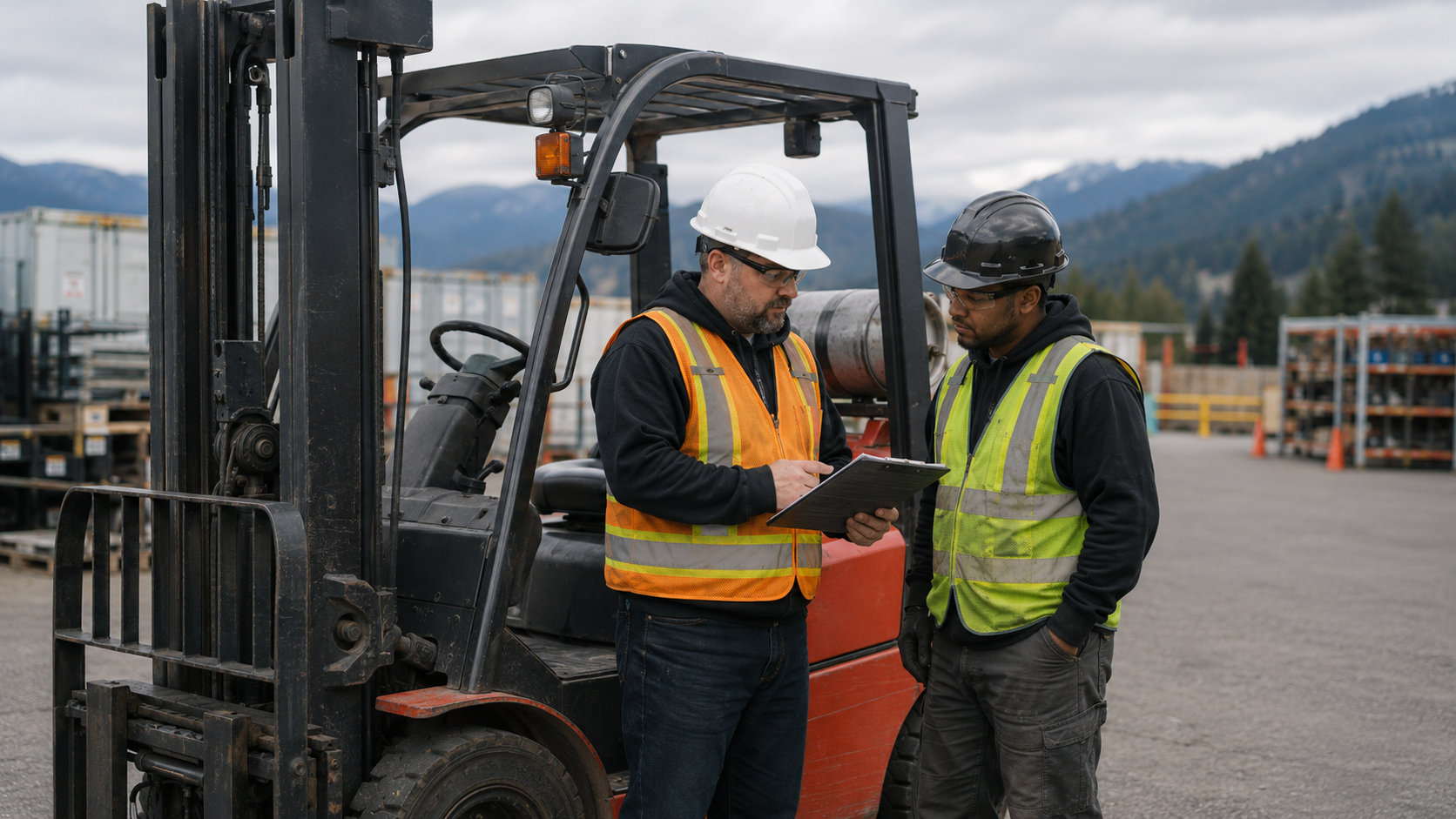
Picture this: you have two training needs on your list and a crew that does not have time for guesswork. One worker spends the day on platforms doing overhead work. Another spends it moving loads around the yard. You know they need training. What you are not sure about is whether that is one course, two courses, or some mix across the crew.
Here is the thing that makes this decision clearer than it looks. Scissor lift work and telehandler work are not two versions of the same job. One is about working at height on a platform. The other is about moving and placing material with reach. They are genuinely different kinds of work, and the training follows the work.
This blog helps you make that call. We will start with the task, walk through when scissor lift training is the priority, when telehandler training is the priority, when a crew needs both, and what to prepare before you bring the decision to a provider.
Why This Decision Should Start With the Task
One Course Supports Elevated Work and the Other Supports Material Handling
The simplest way to keep this decision clear is to hold onto one distinction. Scissor lift training supports working at height. Telehandler training supports material handling with reach. That is the core difference, and almost everything else follows from it.
This is not a basic point, even though it sounds simple. It is the anchor for the whole decision. A scissor lift gets a worker and their tools up to a work area. A telehandler moves a load, often heavy, and places it where it needs to go, sometimes at height and distance. Different purpose, different operation, different training.
Keeping these two clearly separate in your mind is what stops the decision from getting muddy. The moment you start thinking of them as roughly the same lift-type course, the choice gets harder than it needs to be. They are not the same. Hold that line and the rest of the decision opens up.
Some Crews Use Both Equipment Types
Of course, plenty of operations use both. A crew might run scissor lifts for overhead work and telehandlers for moving material on the same site, sometimes in the same week.
That is exactly why the decision should start with mapping the actual tasks rather than picking a course. When you list what the crew really does, the training needs become clear. Sometimes it is one course, sometimes it is the other, and sometimes the honest answer is both. The task map tells you which.
When Scissor Lift Training May Be the Priority
Work at Height on Platforms
Scissor lift training moves up the priority list when the crew’s work is mainly about getting up to a work area and doing a task there. The platform is the workspace.
Think facility maintenance, indoor access work, installations, and tasks on level surfaces where a worker needs to be at height with their tools. If that describes a meaningful part of your crew’s work, scissor lift training is likely a priority, because it is built around that kind of elevated platform work.
Platform Operation and Work-Area Awareness
Scissor lift work calls for a particular kind of readiness. Operators need to think about positioning the platform, understanding its working limits, and staying aware of the work area and the people around them.
That awareness is the focus of scissor lift training. It prepares operators for the realities of platform work, where much of the skill is in the setup, the positioning, and the judgment about the space. Scissor Lift Operator Training Nanaimo employers book is built around that elevated-work focus.
It is a focus that a material-handling course simply does not cover, which is the whole reason the two stay separate. The platform operator’s job is its own thing, and the training reflects that.
When Telehandler Training May Be the Priority
Material Movement and Reach
Telehandler training moves up the priority list when the crew’s work is about moving material and placing it with reach. This is a different job from platform work, and it is the telehandler’s core purpose.
Think moving loads around a site, construction support, yard work, and site delivery support. The telehandler picks up material and places it where it needs to go, often at a distance or a height that a standard forklift could not manage. If that kind of material movement is central to your crew’s work, telehandler training is the priority.
Notice that the worker stays with the machine here, unlike scissor lift work where the worker rides up to the task. That difference is not a small detail. It shapes the whole operation and it is a big part of why the two courses are genuinely separate.
Ground Conditions and Load Placement
Telehandler work brings its own set of factors that make the training distinct. The operator is managing a load, a reach, and the ground conditions all at once.
At a high level, telehandler operator training addresses how the machine handles on different ground, how load placement works when reach is involved, and the judgment that material handling at distance requires. It is a different skill set from platform work, which is exactly why telehandler training is its own course rather than a variation of lift training.
| Decision Factor | Scissor Lift Training | Telehandler Operator Training |
| Core purpose | Working at height on a platform | Moving and placing material with reach |
| Typical work | Facility maintenance, indoor access, installations | Load movement, construction support, yard work |
| Operator focus | Positioning, work-area limits, awareness | Load, reach, and ground conditions together |
| The worker is | Up at the work area with their tools | Moving material from the machine |
| Priority when | Platform work is central to the crew | Material handling with reach is central |
| Covers the other | No | No |
When Both Courses May Be Needed
Crews Handling Elevated Work and Material Movement
Some crews genuinely do both kinds of work. They are up on platforms for some tasks and moving material with a telehandler for others. For those crews, the question is not which course but how to plan both.
When workers move between elevated work and material handling, or when different workers on the crew specialize in each, the operation needs both training types covered. Mapping who does what makes it clear whether you need both courses across the whole crew or split across different workers.
Even when both are needed, the distinction still matters. You are not booking one blended lift course. You are planning two different trainings for two different kinds of work, and treating them as distinct keeps each one properly focused.
Projects With Changing Phases
Training needs are not always static. A construction or facility project can shift through phases, and the equipment work shifts with it. An early phase might lean on material movement. A later phase might lean on elevated finishing work.
For operations like that, it helps to think ahead. The crew may need telehandler training for the current phase and scissor lift training for what is coming. Planning around the project timeline, rather than just today’s task, keeps the crew ready as the work changes.
What Employers Should Prepare Before Choosing
Equipment List and Worker Roles
Before you contact a provider, gather two simple things. What equipment the crew runs, and which workers do which kind of work:
- Equipment in use: scissor lifts, telehandlers, or both, and how often each.
- Elevated-work crew: who does the platform and overhead work.
- Material-handling crew: who does the load movement and placement.
- Crossover workers: anyone who does both kinds of work regularly.
- Experience levels: a rough sense of new versus experienced across the crew.
Work Areas and Schedule Constraints
The second thing to prepare is the practical context. Where the work happens, what the schedule allows, and whether onsite planning matters for your operation.
Note your work areas, your shift constraints, and your training location preferences. This context helps the provider plan training that fits the operation, not just the course list. The more complete the picture, the faster the conversation gets to a clear answer.
How VIF Safety Training Can Help Choose the Right Course Path
Start With a Practical Training-Fit Conversation
The conversation with VIF Safety Training is built for this kind of decision. Bring your equipment list, your worker roles, and your project context, and the discussion can sort out whether the crew needs scissor lift training, telehandler training, or both.
That fit-first approach is what keeps the decision clear. You are not guessing between two courses. You are working through the actual tasks with a provider who can map them to the right training. Equipment training Nanaimo employers plan this way tends to land better, because it follows the work.
Link to Telehandler and Scissor Lift Pages
Once the decision is clear, the path forward is too. If telehandler work is the primary need, the Telehandler Operator Training Nanaimo page is the starting point. When the crew also needs platform work covered, Scissor Lift Operator Training Nanaimo is the connected option, and mobile equipment certification Nanaimo can fit where a broader plan makes sense.
Visit the Telehandler Operator Training Nanaimo page for service details, or reach out to VIF Safety Training directly with your equipment and task details. The conversation will make the right course path clear.
Deciding between scissor lift training and telehandler training gets clear when you hold onto the core distinction. One supports working at height on a platform. The other supports moving and placing material with reach. They are different kinds of work, and the training follows the work.
Map your equipment and your worker roles, think about where your projects are heading, and bring the picture to VIF Safety Training. You will get a clear answer on whether your crew needs one course or both. Call 250-889-2074 or use the contact form to start.
Frequently Asked Questions
How do I choose between scissor lift training and telehandler training?
Start with the task. Scissor lift training supports working at height on a platform, while telehandler training supports moving and placing material with reach. Map what your crew actually does, and the training needs become clear. Sometimes it is one course, sometimes the other, and sometimes both.
Can the same crew need both courses?
Yes. Crews that do both elevated platform work and material handling with reach often need both training types covered, either across the whole crew or split across workers who specialize in each. Mapping who does what makes the right combination clear.
Is telehandler training similar to forklift training?
Telehandler training is its own course. While a telehandler handles material like a forklift, it adds reach and operates differently, so the training addresses load placement with reach, ground conditions, and the judgment that material handling at distance requires. It should not be treated as a variation of basic forklift training.
Should scissor lift training be planned with fall protection training?
It can be worth discussing. Scissor lift work is work at height, and fall protection training covers the broader work-at-height picture. For crews that spend real time on platforms, raising fall protection during the booking conversation helps you plan the full picture rather than booking courses in isolation.
What details should I share before choosing a course?
Share your equipment list, which workers do elevated work versus material handling, anyone who does both, rough experience levels, your work areas, and your schedule constraints. This picture lets VIF Safety Training map the tasks to the right training path.
How do I book telehandler operator training with VIF Safety Training?
Visit the Telehandler Operator Training Nanaimo page for service details, or call VIF Safety Training at 250-889-2074. Bring your equipment and task details so the conversation can confirm whether your crew needs telehandler training, scissor lift training, or both.