If you manage a warehouse, a construction site, or an industrial crew in Victoria, one question tends to surface right after a new hire gets qualified on an elevated work platform. How long does that qualification actually last, and when does it need to be renewed? It is a fair question, and the honest answer is that a scissor lift ticket is not a lifetime pass. Operator readiness has a shelf life, and knowing when a refresher is due protects your people, your equipment, and your production schedule. This guide walks through why scissor lift qualifications expire, what usually triggers a renewal, and how a Victoria crew can stay current without scrambling at the worst possible moment. If you are looking for Scissor Lift Operator Training Victoria that treats renewal as part of an ongoing plan rather than a one-time box to tick, the details below will help you plan ahead.
We will keep this practical and grounded in how work actually happens on Vancouver Island. You will not find invented rule numbers or exact legal intervals here, because those belong to the current WorkSafeBC standard and to the equipment manufacturer, and an employer should always confirm the version that applies to a given site. What you will find is a clear picture of how renewal cycles tend to work, the real warning signs that an operator is due, and what a good refresher session covers.
Why Scissor Lift Certification Does Not Last Forever
A scissor lift qualification captures a moment in time. On the day an operator completes training, they demonstrated the knowledge and the hands-on ability to run a specific type of elevated platform under the conditions covered in the course. That snapshot is genuinely useful, but people and workplaces change. Skills fade when they are not used regularly. Equipment gets replaced with newer models that behave differently. Site conditions shift as a project moves from one phase to the next. A ticket that made perfect sense two or three years ago may not reflect what an operator is actually being asked to do today.
There is also a simple human factor at play. Even a skilled operator can drift into shortcuts over time. Small habits creep in, a pre-use inspection gets rushed, a guardrail check becomes a glance instead of a genuine look. None of this means the operator is careless. It means that skills and judgment benefit from periodic reinforcement, the same way a driver benefits from occasionally revisiting the rules of the road. A renewal cycle exists to catch that drift before it turns into an incident.
From a regulatory standpoint, the general expectation in British Columbia is that operators must be trained, competent, and able to run the equipment they are assigned. WorkSafeBC requirements apply, and an employer should confirm the current standard rather than rely on a number they half remember. The practical takeaway is that competency is not a permanent status. It is something an employer is responsible for maintaining, and that maintenance is exactly what a renewal or refresher is designed to provide. Treating the original training as a permanent credential is where many workplaces quietly fall out of step.
It also helps to separate the paper from the person. A card in a wallet or a certificate in a file drawer is only a record. The thing that actually keeps a crew running well is the operator’s live ability to assess a work area, set up the machine correctly, and respond to problems calmly. Renewal is about refreshing that live ability, not just updating a date on a document.
What Usually Triggers a Recertification
Renewal is rarely about a single calendar date alone. In real workplaces, several situations tend to signal that an operator should requalify, and smart Victoria employers watch for all of them rather than waiting for one arbitrary deadline. Understanding these triggers helps you plan renewals around your operation instead of reacting to them.
The most common trigger is simply the passage of time since the last training. Many employers and manufacturers work on a recurring review cycle, and while the exact length varies by course, by equipment, and by the current standard, the principle is consistent. After a certain stretch, a formal refresher is expected. Rather than guess at an interval, confirm what applies to your equipment and your site, then build that timing into your planning calendar so it never sneaks up on you.
A change in equipment is another strong trigger. If your yard trades an older slab scissor lift for a rough terrain model, or brings in a unit with a different control layout, height range, or platform extension, the operator’s prior experience may not fully carry over. New capabilities and new limits mean new training. The same logic applies when an operator moves from an electric indoor unit to a larger outdoor machine that handles wind, slope, and uneven ground very differently.
A change in the worksite or task also matters. An operator qualified for tidy indoor warehouse aisles is working in a very different environment when the job moves to an active construction site with overhead hazards, soft ground, and shared traffic lanes. Site-specific conditions can reset what an operator needs to know. Some general contractors and facility owners in the Victoria area also set their own access requirements, and a crew arriving on site may need current documentation before they are cleared to run a platform at all.
Finally, an incident, a near miss, or an observed performance concern should prompt a review. If an operator tips a load, clips a rack, or is seen skipping steps in a setup routine, that is a clear signal that retraining is warranted regardless of how recently they were qualified. Renewal in these cases is not a punishment. It is a reset that restores good habits and confirms the operator is genuinely ready for the work.
How Victoria Employers Can Track Who Is Due
Knowing that renewals matter is one thing. Actually keeping track of who is due, and when, is where many busy operations struggle. On a small crew it may feel manageable to keep the dates in someone’s head, but that approach fails the moment that person is on vacation or the team grows. A simple tracking system pays for itself the first time it prevents a qualified operator from unknowingly working past their renewal window.
The goal is visibility. You want to be able to answer, at a glance, who is trained on what, when they were last assessed, and roughly when their next review should happen. That visibility lets you schedule refreshers during slower periods instead of pulling an operator off a critical job at the worst time. It also makes life much easier when a client, a prime contractor, or an internal review asks for proof that your operators are current.
Here are practical habits that help Victoria employers stay ahead of renewals rather than chasing them:
- Keep a single, shared record of every operator, the equipment they are qualified on, and the date of their most recent training or assessment.
- Add a simple reminder a couple of months before a renewal is expected, so you can book a session without disrupting production.
- Note which operators run which specific machines, so an equipment change flags the people who need updated training.
- Track site-specific access requirements from your larger clients, since some sites demand current documentation before an operator is cleared.
- Review the whole list on a set schedule, for example each quarter, so nothing slips through when the team is busy.
- Store the actual records where a supervisor can reach them quickly, not buried in one person’s email inbox.
None of this needs expensive software. A well maintained spreadsheet, a shared calendar with reminders, and one person who owns the process will carry most small and mid sized Victoria operations a long way. The point is to make renewal a routine part of workforce planning rather than an emergency that surfaces when a job is already on the line.
What a Scissor Lift Refresher Actually Covers
A refresher is not a full repeat of an operator’s first course, and it should not feel like a punishment for an experienced worker. Done well, it is a focused reset that rebuilds sharp habits, updates the operator on any changes, and confirms they can still run the platform confidently. The best sessions respect what an operator already knows while closing the small gaps that open up over time.
On the knowledge side, a refresher typically revisits the fundamentals that quietly slip. That includes how to read the machine’s load and height limits, how ground conditions and slope affect stability, how to identify overhead and surrounding hazards before raising the platform, and how to respond if something goes wrong at height. It is also a natural moment to cover any updates to workplace expectations, manufacturer guidance, or site rules that have changed since the operator was last trained.
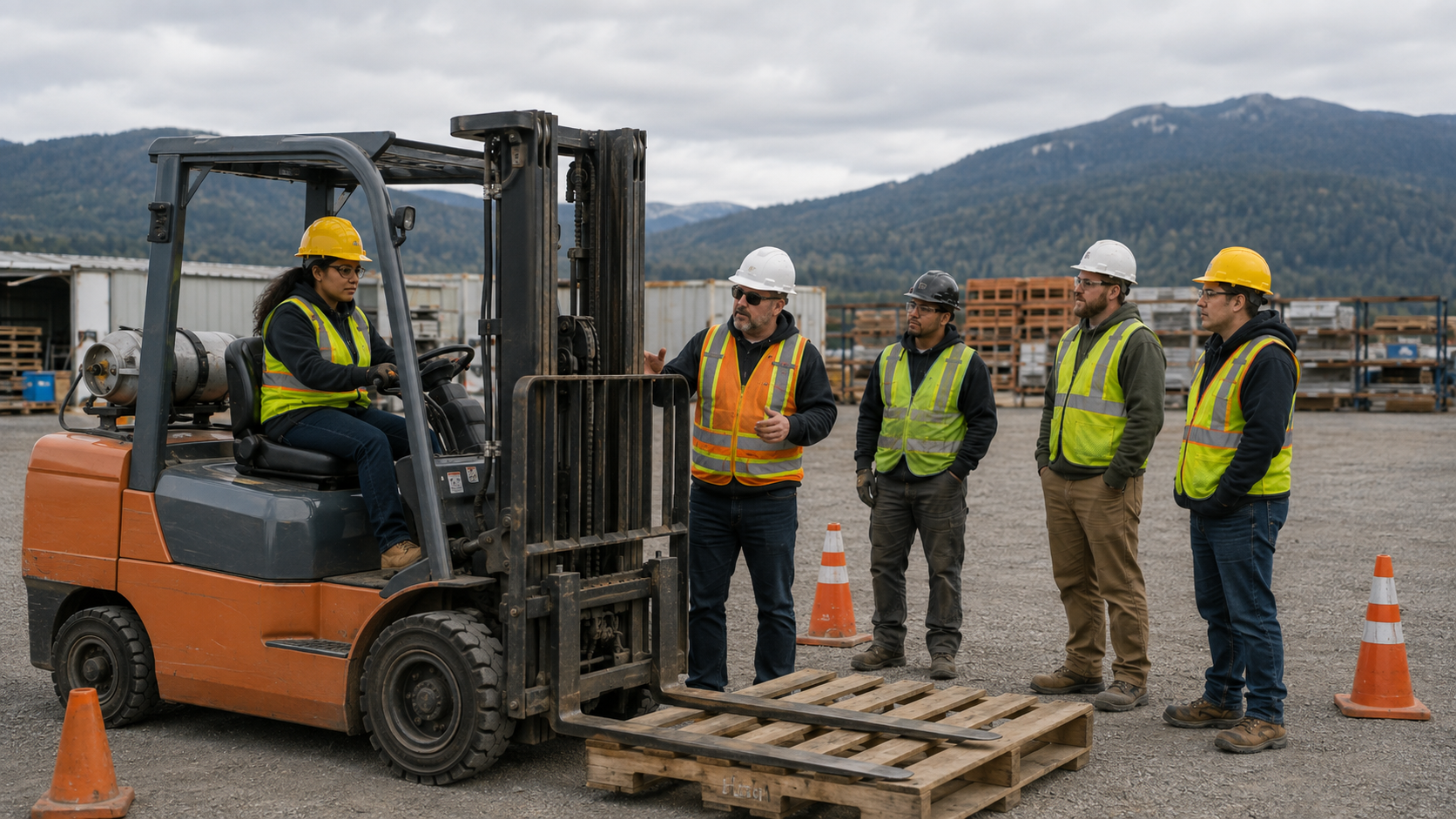
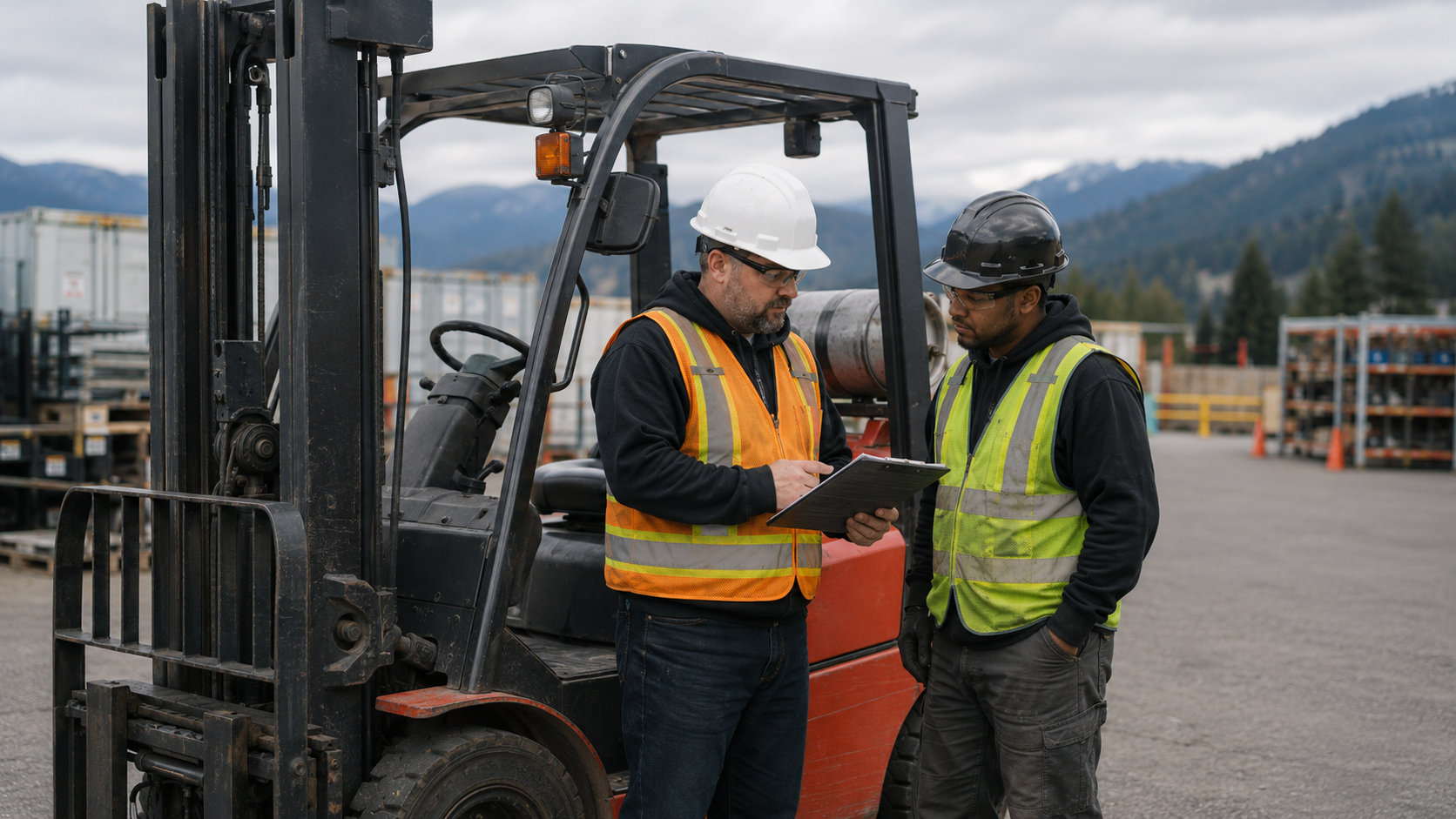
The hands-on portion is where a refresher earns its value. An evaluator watches the operator work through a genuine routine, from a proper pre-use inspection to positioning, elevating, working at height, and lowering and shutting down correctly. This is the part that reveals whether good practice is intact or whether habits have drifted. A skilled instructor will spot the rushed inspection or the sloppy positioning that the operator may not even realize has become normal, and will coach it back to a solid standard.
The table below gives a general sense of how a first-time course, a refresher, and an equipment-change update tend to differ. Exact content and timing vary by provider, by equipment, and by the current standard, so treat this as a planning guide rather than a fixed promise.
| Session Type | Typical Focus | When It Fits |
| First-time training | Full theory plus hands-on evaluation for a new operator | Someone with no prior qualification on the platform |
| Refresher or renewal | Focused review of theory and a hands-on reassessment | An existing operator due for review or showing rusty habits |
| Equipment or site update | Targeted training on new machine features or site conditions | An operator moving to a different unit or a new worksite type |
One point worth stressing is that a refresher should still include a genuine practical check. A quick online quiz alone does not confirm that someone can safely set up and run a machine at height. Real operator readiness lives in the hands-on portion, and any credible renewal keeps that piece front and center. If a provider offers to renew a ticket with no practical component at all, that is a reason to ask hard questions.
How Scissor Lift Operator Training in Victoria Keeps a Crew Current
Keeping a crew current is less about any single course and more about building renewal into how you run the operation. Victoria employers who do this well tend to think a season ahead. They know which projects are coming, which operators will be involved, and which qualifications need to be fresh before the work starts. That foresight turns training from a scramble into a routine line item.
Local context matters here too. Vancouver Island work spans tidy indoor warehouses, active construction sites, marine and industrial yards, and everything in between. An operator who spends most of the year on smooth concrete may suddenly be asked to work on gravel, slope, or exposed ground when a project shifts. Training that reflects the real range of Victoria conditions prepares an operator for more than the machine in front of them on training day. That is the practical value of well designed scissor lift operator training in Victoria, and it is why matching the session to your actual work matters more than simply renewing a date.
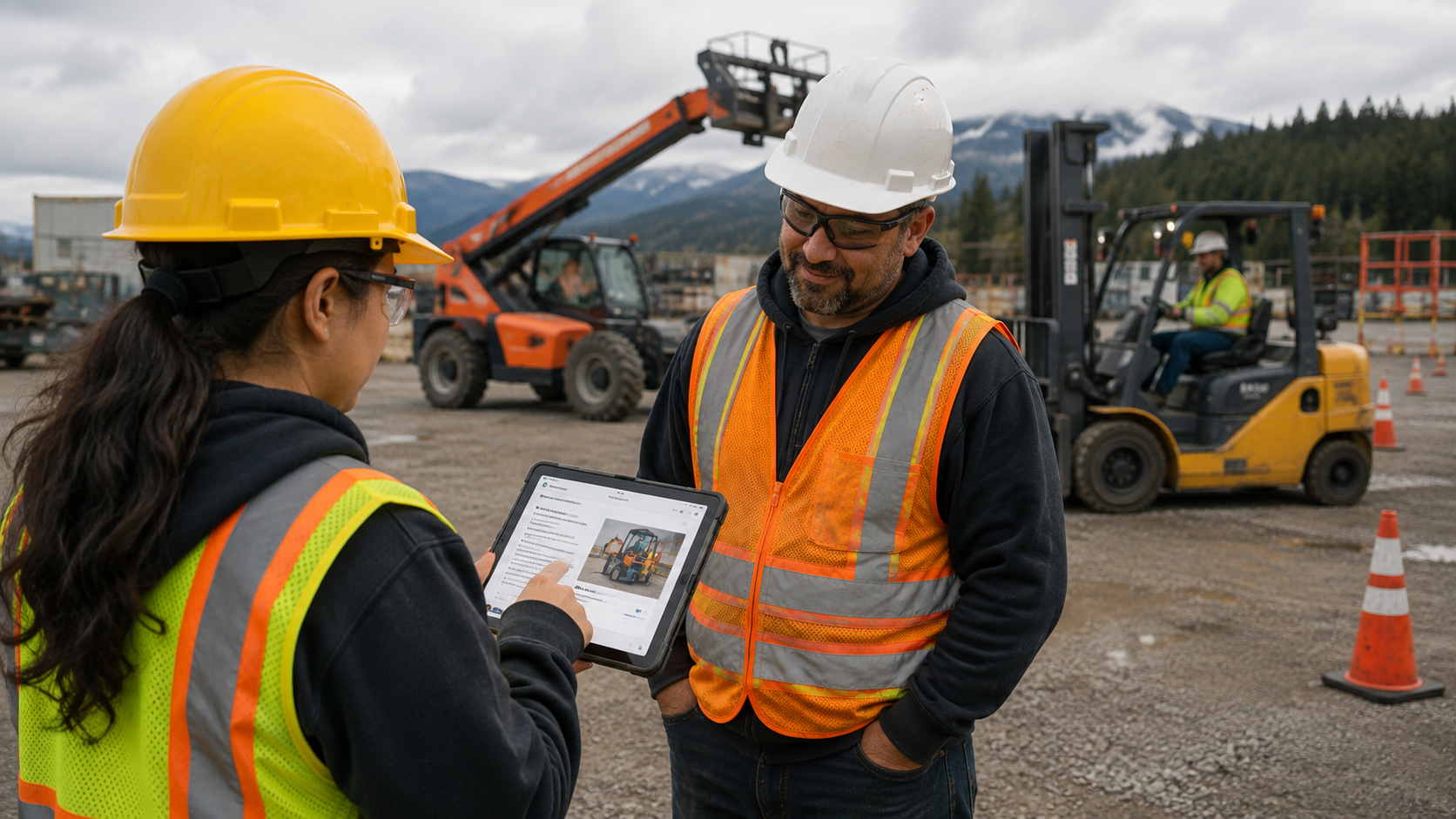
Onsite delivery is often the most efficient way to keep a crew current, because it lets operators train on the machines and surfaces they actually use. Instead of sending people across town and losing most of a day to travel, the evaluation happens in the real environment, which also makes the hands-on portion more relevant. For employers juggling production, that difference is significant. You can book scissor lift operator training in Victoria that comes to your location and works around your schedule, which keeps disruption low while your operators stay ready.
Currency also improves when renewal is treated as normal rather than exceptional. When operators know a refresher is a routine part of the job, they tend to keep their habits sharp between sessions, ask better questions, and take the reassessment seriously. A culture where renewal is expected produces a steadier, more capable crew than one where training only happens after something goes wrong. Over time that steadiness shows up as fewer near misses, less equipment damage, and smoother inspections when a client or a prime contractor asks for proof of readiness.
What Renewal Costs You If You Ignore It
It is worth being honest about what happens when renewals slide. The most obvious risk is to the operator and to anyone working nearby, since a rusty operator at height is a genuine hazard. But there are business costs too, and they tend to arrive at the worst moments. A crew that cannot show current qualifications may be turned away from a site, which stalls a job and strains a client relationship. An incident involving an operator who was overdue for review raises difficult questions about employer responsibility.
There is also the quieter cost of inefficiency. Operators who have not been reassessed in a long time often develop slow or awkward habits that cost time on every lift. A good refresher does not just protect against worst-case events. It frequently makes an operator faster and more confident in daily work, which is a return that busy Victoria operations tend to appreciate. Viewed this way, staying current is not overhead. It is a small, predictable investment that prevents large, unpredictable losses.
How VIF Safety Training Supports Recertification
VIF Safety Training helps Victoria employers keep operators current without turning renewal into a headache. The approach is built around real work on Vancouver Island, which means training that reflects the machines, surfaces, and site conditions your crew actually deals with rather than a generic classroom version of the job. Owner and lead instructor Darrell Block is an IVES certified trainer with 24 years of experience running mobile equipment, so the coaching comes from someone who has done the work, not just taught it.
For renewals specifically, that experience shows up in how the hands-on reassessment is handled. The focus is on confirming genuine operator readiness, spotting the small habits that drift over time, and coaching them back to a solid standard. Sessions can be arranged onsite so operators train on their own equipment and their own ground, which keeps the evaluation relevant and keeps your production disruption to a minimum. Because timing and content vary by course, by equipment, and by the current WorkSafeBC standard, the right move is to talk through your crew’s situation and build a renewal plan that fits your operation.
If your Victoria crew has operators coming due for renewal, or you are simply not sure who is current, VIF Safety Training can help you sort it out and build a plan that keeps everyone ready. Call (250) 889-2074 or email info@vanisleforklift.ca to talk through your equipment, your crew, and your schedule, or contact VIF Safety Training to ask about onsite refresher sessions in Victoria. It is a quick conversation that can save you a stalled job later.
Frequently Asked Questions
- How long does scissor lift certification usually last before it needs renewal?
A scissor lift qualification is not permanent, and the exact renewal window varies by course, by equipment, and by the current standard that applies to your site. Many employers work on a recurring review cycle and plan a refresher after a set period. Confirm the interval that applies to your equipment and workplace rather than relying on a fixed number, and build that timing into your planning calendar.
- Does a scissor lift ticket expire even if the operator uses the machine every day?
Frequent use keeps skills fresh, but it does not remove the need for periodic review. Renewal cycles exist because habits can drift, equipment changes, and site conditions evolve even for daily operators. A refresher confirms that an experienced operator is still working to a solid standard and catches any small shortcuts that may have crept in.
- What are the signs that a Victoria operator is due for a refresher?
Common signs include a long stretch since the last training, a switch to a different machine or a new type of worksite, or a near miss or observed shortcut during setup. A client or prime contractor requiring current documentation is another practical trigger. When any of these appear, it is worth scheduling a reassessment rather than waiting for a fixed date.
- What does a scissor lift refresher actually involve?
A refresher usually revisits key theory such as load and height limits, ground and slope awareness, and hazard identification, then confirms the operator through a hands-on evaluation. The practical portion is essential because it reveals whether good habits are intact. It is a focused reset rather than a full repeat of a first-time course.
- Can an operator renew a scissor lift qualification online?
An online portion can cover parts of the theory, but genuine operator readiness depends on a hands-on practical evaluation that an online quiz cannot replace. Any credible renewal keeps a real practical check in place. If a provider offers to renew with no practical component at all, that is a reason to ask careful questions before relying on it.
- Do we need new training if we buy a different scissor lift?
Often yes, because a new model can have a different control layout, height range, or stability profile that an operator’s prior experience does not fully cover. Moving from an indoor electric unit to a larger outdoor machine is a good example. A targeted update session brings the operator up to speed on the specific equipment they will run.
- How can a Victoria employer keep track of who is due for renewal?
A single shared record of each operator, the equipment they are qualified on, and their most recent training date is the foundation. Adding reminders a couple of months ahead of expected renewals lets you schedule sessions during slower periods. Reviewing the list on a set schedule keeps anyone from slipping through when the team is busy.
- Can VIF Safety Training deliver scissor lift refreshers onsite in Victoria?
Yes, onsite delivery is often the most efficient option because operators train on their own machines and their own ground. It keeps the evaluation relevant and reduces the downtime of sending people offsite. Contact VIF Safety Training at (250) 889-2074 or info@vanisleforklift.ca to arrange a session that fits your crew and schedule.