
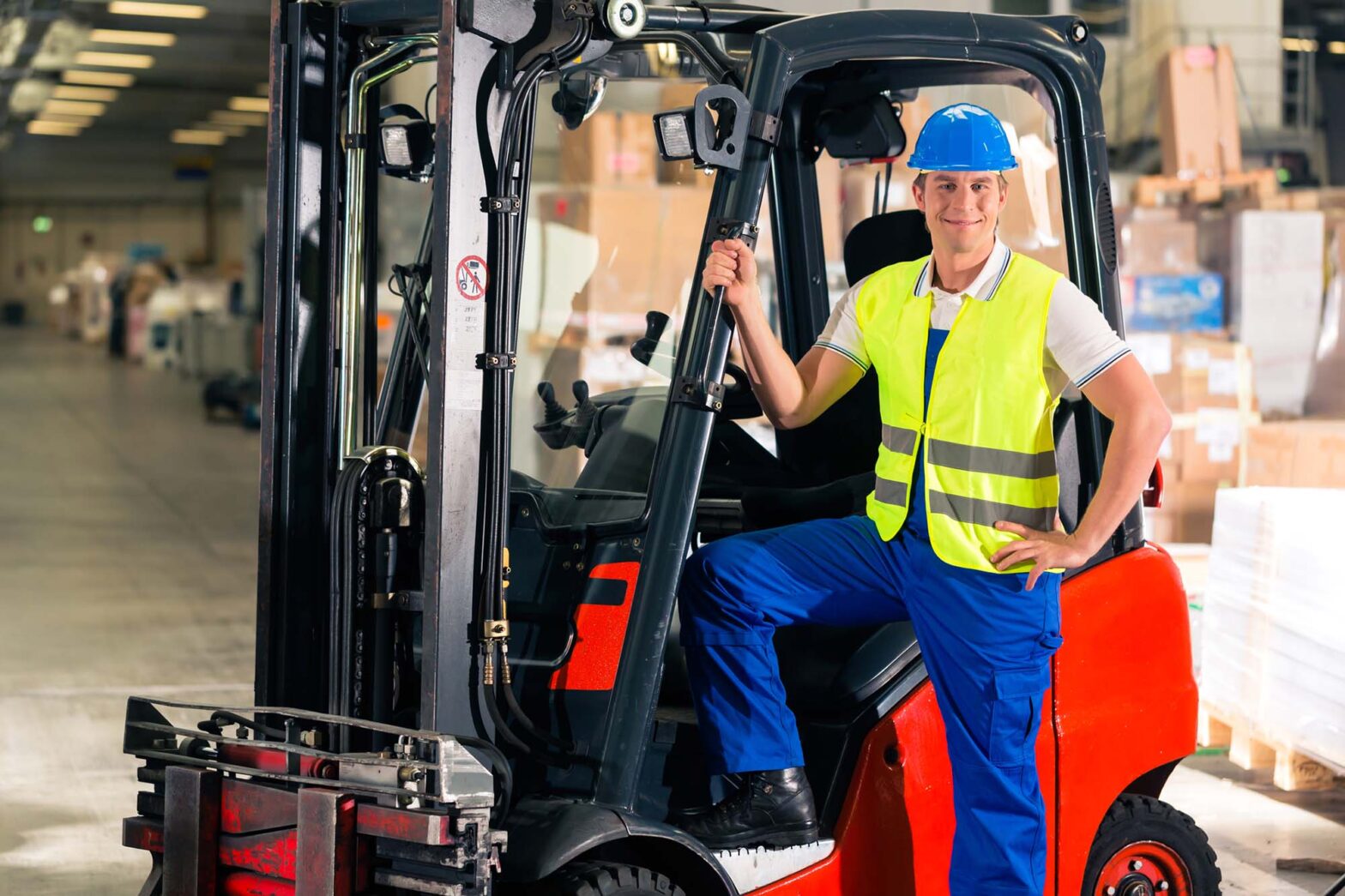
When it comes to working in high-risk environments, safety isn’t optional—it’s essential. For companies operating forklifts, aerial lifts, telehandlers, or other mobile equipment, proper training is a legal and operational necessity. This is where Mobile Equipment Trainers come in.
If you’re looking into becoming a Mobile Equipment Trainer in Victoria, or if you’re an employer trying to understand who’s qualified to train your team, here’s what you need to know—based entirely on real-world experience and standards followed by VIF Safety Training, a trusted name in the industry.
What is a Mobile Equipment Trainer?
A Mobile Equipment Trainer is responsible for educating equipment operators on the safe, effective, and regulation-compliant use of various machines. This includes forklifts, aerial lifts like scissor and boom lifts, telehandlers, and other specialized equipment used in industrial or construction settings.
Training isn’t just about showing someone how to drive a forklift—it’s about teaching correct operation, safety awareness, hazard recognition, and compliance with current regulations.
The Legal Requirements in BC
In British Columbia, the operation of mobile equipment is governed under WorkSafeBC regulations. Here’s what those regulations state:
- Section 16 of the OHS Regulation (Mobile Equipment): “A person must not operate mobile equipment unless the person has received adequate instruction in the safe use of the equipment.”
This means that only trained individuals can operate this equipment, and the training must be delivered to a recognized standard.
Required Standards
As of September 1, 2021, all training must comply with CSA Standard B335-15. This standard outlines the elements of a compliant training program, including both classroom and practical instruction.
If you’re aiming to become a Mobile Equipment Trainer in Victoria, you need to be deeply familiar with these regulations. It’s not enough to have operated equipment—you must also understand how to deliver training that aligns with legal expectations.
For aerial lift training, the applicable standards are:
- CSA B354.2 for scissor lifts
- CSA B354.4 for boom lifts
Training must be specific, structured, and standardized. Refresher training is recommended every three years, further emphasizing the ongoing role of a qualified trainer.
Experience-Based Qualifications
Let’s take a look at what qualifications VIF Safety Training’s lead instructor, Darrell Block, brings to the table. His background is a strong reference point for anyone considering a role as a Mobile Equipment Trainer in Victoria.
Darrell has:
- 18 years of hands-on experience operating mobile equipment
- Been an Ives Certified Trainer since 2018
- Taught at North Island College
- Real-world experience in lockout procedures and mobile equipment safety
- A trade qualification as a Red Seal Industrial Electrician
- Served 8 years in the Royal Canadian Navy
- Held leadership roles including Electrical Shop Supervisor, Maintenance Manager, and Lockout Coordinator
This kind of experience not only builds credibility but also helps ensure training is practical, not just theoretical. Trainers like Darrell combine deep technical knowledge with the ability to communicate it effectively—an essential quality for anyone pursuing this role.
Teaching Ability and Certification
Being a skilled operator doesn’t automatically qualify someone to train others. As shown in Darrell’s background, certification from a recognized body such as Ives Training Group and teaching experience at a college level can make a big difference.
While the site doesn’t state formal licensing beyond Ives certification and CSA compliance, Darrell’s teaching background supports his ability to lead structured training sessions.
This suggests that for a Mobile Equipment Trainer in Victoria, it’s not just about credentials—it’s also about communication, clarity, and leadership in real work environments.
Understanding the Employer’s Responsibility
If you’re an employer wondering who is qualified to train your staff, WorkSafeBC regulations place the onus on you. You must:
- Ensure employees receive training that meets CSA and WorkSafeBC standards
- Provide supervision and ongoing assessment
- Exercise due diligence under the general duty clause, which states: “Despite the absence of a specific requirement, all work must be carried out without undue risk of injury or disease to any person”
This means that training can’t be an afterthought or a box-ticking exercise. It must be thorough, up-to-date, and delivered by someone who knows both the regulations and the real-world application.
Course Coverage at VIF Safety Training
VIF Safety Training provides comprehensive instruction across a wide range of mobile equipment types, including:
- Forklifts
- Scissor lifts
- Boom lifts
- Telehandlers
- Fall protection
- Confined space awareness
- Lockout/Tagout
- Powered pallet jacks
- Mini excavators
- Overhead crane basic rigging
- Class 5 trailering and load securement
All courses are compliant with current WorkSafeBC and CSA standards and are delivered by qualified professionals with field experience.
If you’re pursuing a role as a Mobile Equipment Trainer in Victoria, understanding how these courses are structured, the regulatory framework they follow, and the hands-on delivery style used at VIF Safety Training is essential.
Final Thoughts
Becoming a Mobile Equipment Trainer isn’t just about knowing how to operate machinery—it’s about understanding regulations, delivering structured and effective training, and keeping people safe on the job.
At VIF Safety Training, that standard is met every day by a trainer with proven field experience, formal certification, and a commitment to workplace safety.
Looking to meet compliance or upgrade your team’s training? Contact VIF Safety Training today to get started with a trainer you can trust.