Picture this: a crew member is doing the same work-at-height task they have done a hundred times. The setup looks the same as yesterday. So they move a little faster, skip a quick check, assume the conditions hold overnight. Most days, nothing comes of it. But the small shortcut is the kind of thing that, on the wrong day, turns into something serious.
That is the real pattern with work at height. Most problems do not start with a dramatic decision. They start small. A rushed step. An assumption that did not hold. A question that did not get asked. The work-at-height incidents that matter often trace back to a chain of small things, not one big one.
This blog is about how fall protection training helps crews catch those small things earlier. We are not here to alarm anyone. We are here to be practical. We will look at the common mistake patterns, how structured training sharpens recognition, and what employers can do before and after a session to make it stick.
Why Small Mistakes Matter in Work-at-Height Tasks
Most Problems Do Not Start With Dramatic Decisions
When people picture a work-at-height incident, they imagine something obvious. A clear act of carelessness. In practice, it is usually quieter than that. The lead-up is a series of small decisions that each seemed reasonable at the time.
Rushing because the schedule is tight. Assuming a setup is still good because it was fine yesterday. Skipping a check because it has always been fine before. Unclear communication between two workers who each thought the other had it handled. None of these is dramatic. Together, they are how a routine task becomes a problem.
This is actually good news for employers. Small mistakes are easier to address than dramatic ones, because they are about habits and recognition rather than character. Habits can be trained. Recognition can be sharpened. That is exactly where fall protection training does its work.
Training Should Sharpen Recognition Before the Task Starts
The value of fall protection training is not just knowing the rules. It is recognizing, in the moment, when something is off. That recognition is a skill, and it can be sharpened.
Good training builds the habit of pausing to check before the task starts, not after something feels wrong. It helps workers notice the small signals. We are not going to claim training prevents every incident, because no training does that. But sharper recognition gives crews a better chance of catching the small mistake before it compounds.
Common Mistake Patterns Training Can Address
Assuming Yesterday’s Setup Still Works Today
This is one of the most common patterns. A crew sets up for a task, it works, and the next time they assume the same setup applies. But conditions change. Surfaces shift. Weather moves through. Access points get rearranged. Other crews change the area.
Training addresses this by building the habit of checking current conditions rather than relying on memory. The task may be familiar. The conditions today might not be. A worker who has been trained to notice that difference is less likely to walk into a changed situation on autopilot.
It is worth noting this is not about doubting experienced workers. Experience is valuable. But experience can also build confidence that the setup is fine, and that confidence is exactly when the quick check gets skipped. Training keeps the check in place even for the workers who have done the task many times.
Not Asking When Conditions Change
The second pattern is silence. Something looks different, or feels off, and the worker does not ask. Maybe they do not want to slow the job down. Maybe they assume someone else already checked. Maybe they are not sure it is worth raising.
Training helps here by building a stop-and-clarify habit and giving crews the confidence to use it. When workers know that asking is expected, not a sign of inexperience, they ask. That single question, raised at the right moment, is often what keeps a small mistake from going further.
| Small Mistake Pattern | What It Looks Like | What Training Builds |
| Assuming the setup held | Reusing yesterday’s plan without checking today | The habit of checking current conditions |
| Staying quiet | Not asking when something looks off | Confidence to stop and clarify |
| Rushing the check | Skipping steps because the schedule is tight | Recognition that the check is part of the task |
| Drifting habits | Small shortcuts that creep in over time | Awareness of how routine erodes good practice |
| Unclear communication | Two workers each assuming the other has it | A shared language for coordinating the work |
| Missing the change | Not noticing the conditions shifted | Sharper recognition before the task starts |
How Structured Training Supports Better Judgment
Connecting Rules to Real Tasks
A list of rules is easy to forget. Rules connected to the actual work tend to stick. Structured fall protection training does not just state the requirements. It explains why each step matters in the work the crew actually performs.
When a worker understands the reasoning, they can apply it to situations the training did not cover exactly. That is the difference between memorizing and understanding. Understanding travels with the worker into conditions a rulebook never anticipated.
Giving Crews a Shared Language
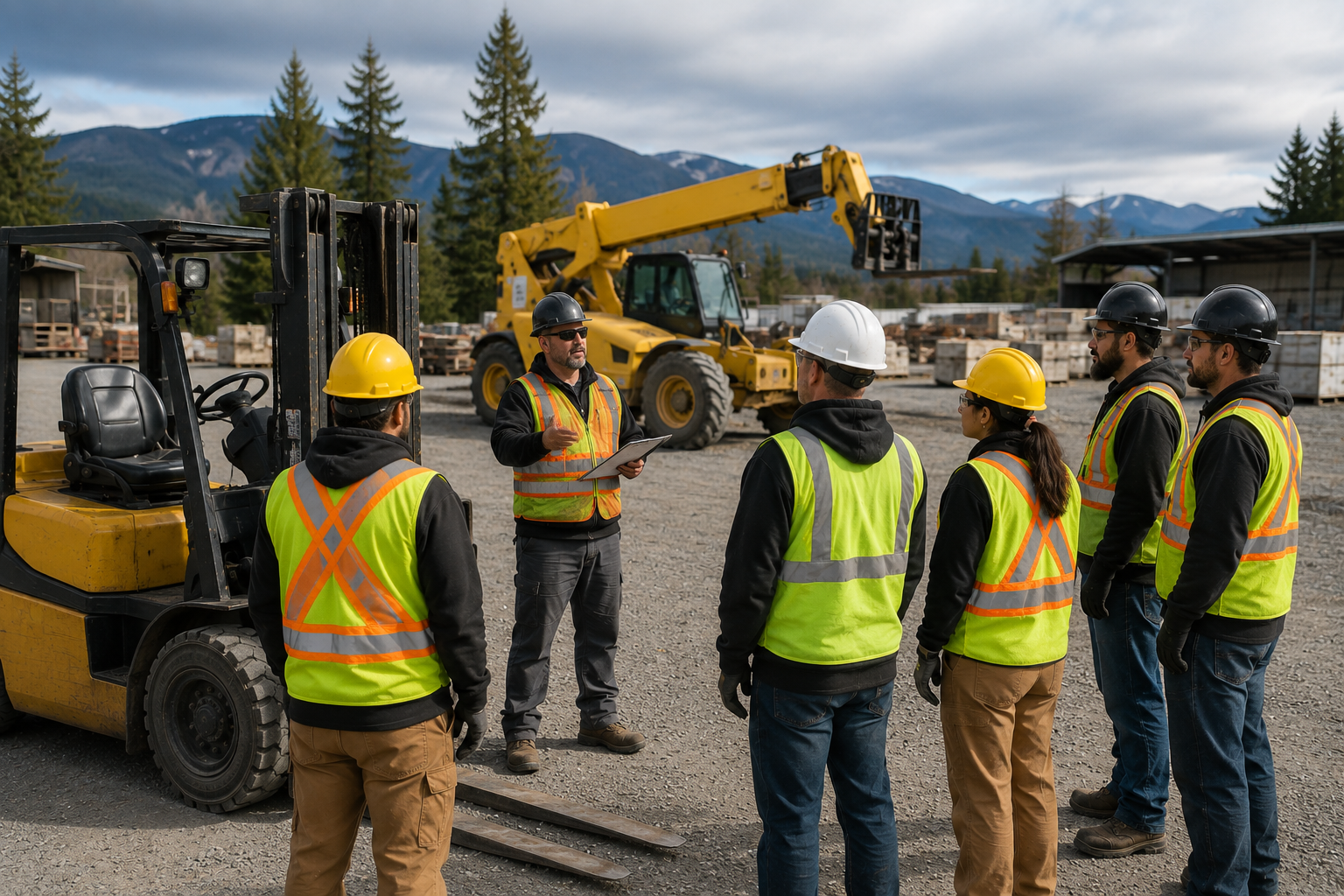
There is a quieter benefit to training a whole crew together. They come out of it with a shared language for the work at height they do. The same terms, the same expectations, the same understanding of what good practice looks like.
That shared language improves communication between workers and between workers and supervisors. When everyone is using the same reference points, the stop-and-clarify habit works better, because there is less room for misunderstanding. Crew safety training that builds this common ground pays off in everyday coordination, not just in the session itself.
Where Fall Protection Overlaps With Equipment Training
Aerial Lift and Scissor Lift Tasks
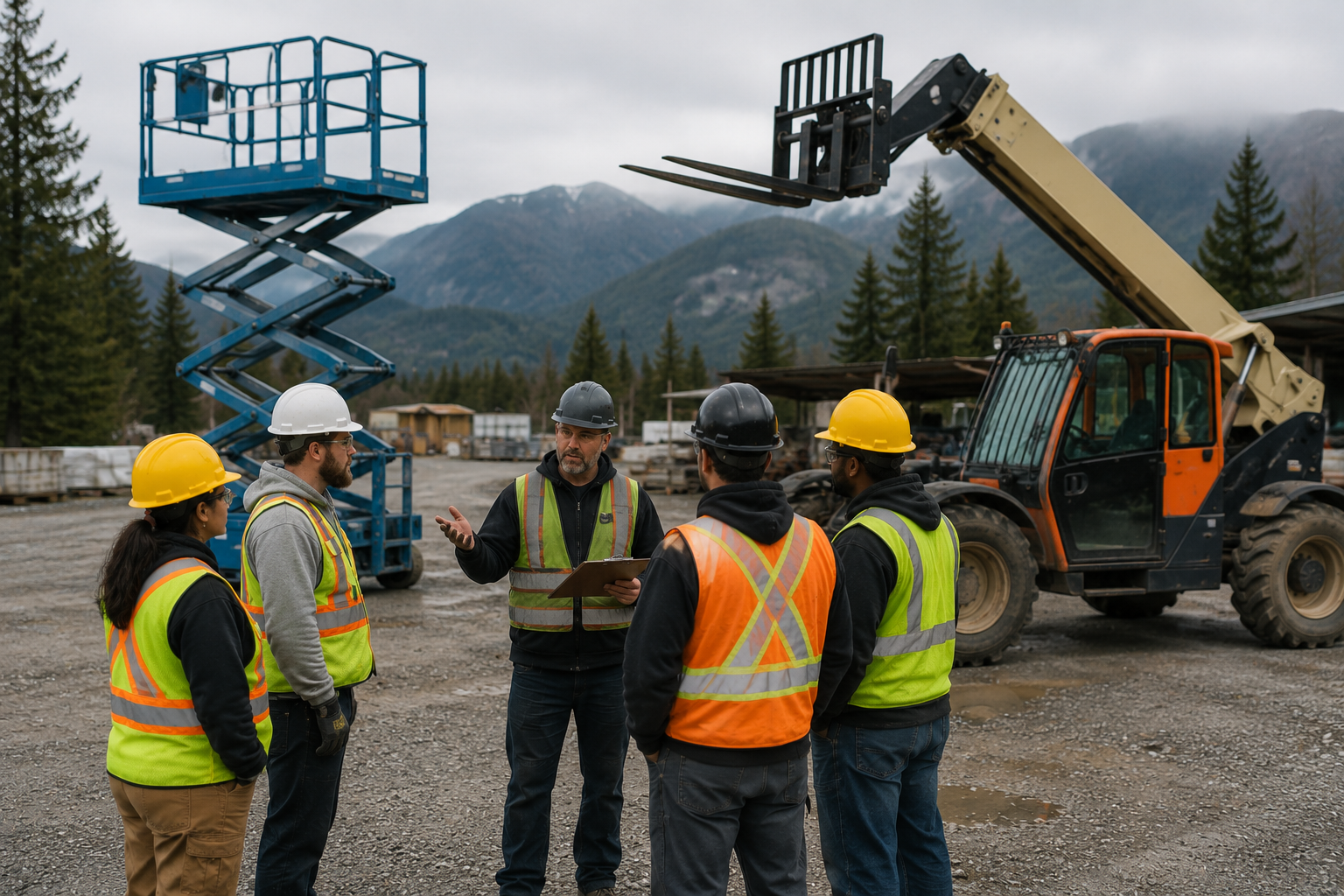
Crews that work from aerial lifts and scissor lifts are working at height as part of the equipment operation. The lift training covers operating the equipment. Fall protection training covers the broader work-at-height picture.
For these crews, the two areas connect. When you are planning training, it is worth thinking about both rather than assuming the lift course handles everything. The right combination depends on the work, and that is a fair thing to ask a provider about.
Maintenance, Construction, and Facility Work
Work-at-height exposure is not limited to one industry. Maintenance crews access elevated systems. Construction crews work at height across changing sites. Facility teams handle elevated tasks as routine work. The exposure shows up across all of them.
That is why fall protection training is relevant well beyond a single type of operation. If your crew goes up, in any context, the small-mistake patterns apply. Work at height training built around your specific tasks reaches whichever version of elevated work your crew actually does.
What Employers Can Do Before and After Training
Prepare Real Examples for the Trainer
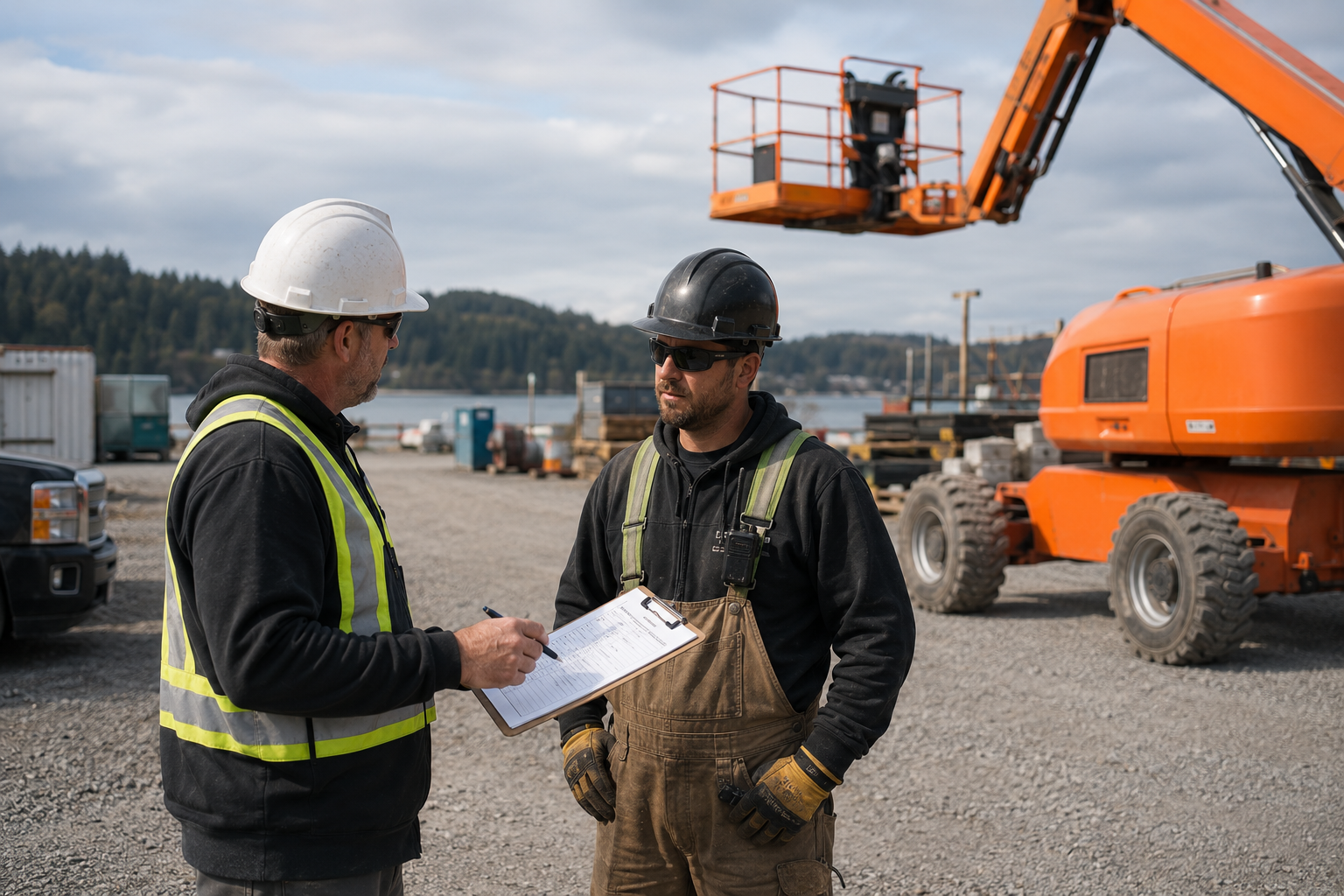
Before the session, gather the real material. The task types your crew performs at height. The recurring concerns your supervisors have noticed. The conditions that come up often. Share these with the trainer.
Why this helps: a trainer working with your real examples can make the session land harder than one working from generic scenarios. Your crew recognizes their own work, and recognition is what makes the training memorable. You are not exposing weakness by sharing this. You are making the session useful.
Think back over the last stretch of work. Was there a near miss that got everyone’s attention? A spot where workers always seem to hesitate? A task that generates the same questions every time? Those are the examples a trainer wants, because they are the ones your crew will recognize instantly.
Reinforce Expectations on the Job
After the session, the work shifts to reinforcement. Training builds the foundation. Supervisors keep it standing through what they pay attention to and what they reinforce day to day.
This does not need to be heavy. Brief mentions in team meetings. Visible attention to the practices the training covered. Recognizing workers who stop and clarify rather than pushing through. Small, consistent reinforcement is what turns a one-time session into a lasting habit across the crew.
How VIF Safety Training Supports Practical Awareness
Training That Speaks to Real Work
VIF Safety Training approaches fall protection training as practical, experience-led instruction. The session is built around the real work crews do at height, not a generic version of it. Darrell Block brings 24 years of mobile equipment experience and an IVES Certified background, and that practical grounding shapes how the training is delivered.
The Fall Protection Training In Campbell River employers book through VIF Safety Training is built to connect with the actual tasks, conditions, and crews involved. That connection is what helps the small-mistake recognition stick.
Discuss the Crew and Worksite Before Booking
The booking conversation is where the training gets shaped. Share your crew, your work-at-height tasks, and the conditions they work in. From there, the session can be planned around your operation.
Visit the Fall Protection Training In Campbell River page for service details, or reach out to VIF Safety Training directly. Bring the real examples, and the training that follows will be built around the work your crew actually does.
The work-at-height incidents that matter usually trace back to small mistakes, not dramatic ones. A rushed check, an assumption that did not hold, a question that went unasked. Fall protection training helps crews recognize those small things earlier, and that recognition is a skill worth building.
Gather your real examples, think about reinforcement, and bring the picture to VIF Safety Training. The session will be built around your crew and your work. Call 250-889-2074 or use the contact form to start the conversation.
Frequently Asked Questions
What small mistakes can fall protection training help workers recognize?
Training helps workers catch patterns like assuming yesterday’s setup still applies, staying quiet when something looks off, rushing a check because the schedule is tight, and missing that conditions have changed. These small things are often what lead to bigger problems, and sharper recognition is the skill training builds.
Can fall protection training be connected to real worksite tasks?
Yes, and it should be. Share the task types, recurring concerns, and conditions your crew works in with the trainer before the session. A trainer working from your real examples can make the training land harder than one using generic scenarios, because your crew recognizes their own work.
Should fall protection training include supervisors?
Including supervisors is worth considering. They carry the training forward through what they reinforce day to day, and a shared understanding between supervisors and crew makes the stop-and-clarify habit work better. The booking conversation can cover how supervisors fit in.
How does fall protection training relate to aerial lift work?
Crews that work from aerial lifts and scissor lifts are working at height as part of the equipment operation. The lift training covers operating the equipment, while fall protection training covers the broader work-at-height picture. For these crews, the two connect, and planning both is often worthwhile.
What should employers prepare before booking fall protection training?
Gather the real material: the task types your crew performs at height, the recurring concerns your supervisors have noticed, and the conditions that come up often. Sharing these with VIF Safety Training before the session helps the trainer build something that connects with your crew’s actual work.
How do I schedule fall protection training with VIF Safety Training?
Visit the Fall Protection Training In Campbell River page for service details, or call VIF Safety Training at 250-889-2074. Share your crew, work-at-height tasks, and worksite conditions so the session can be planned around your operation.