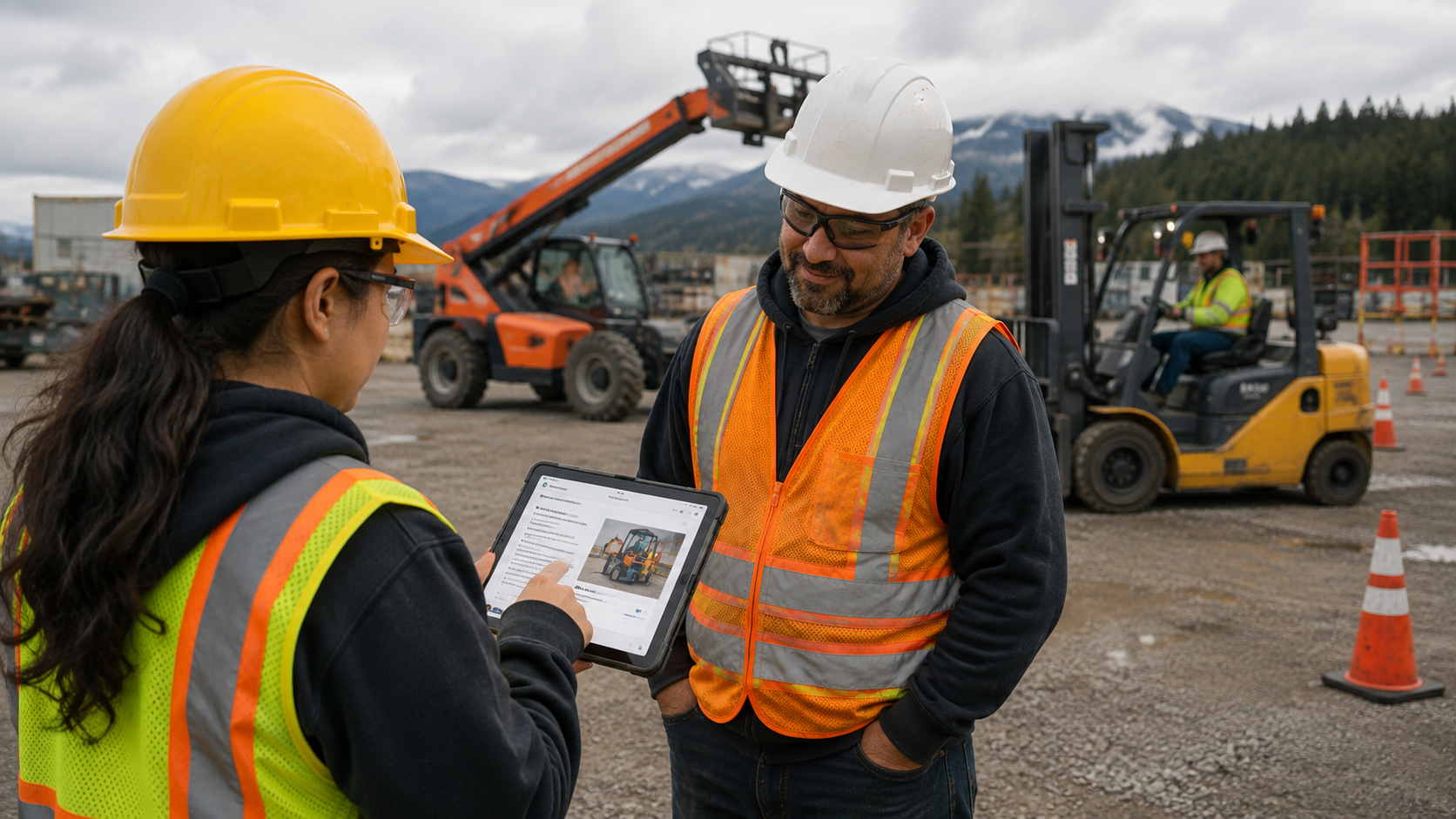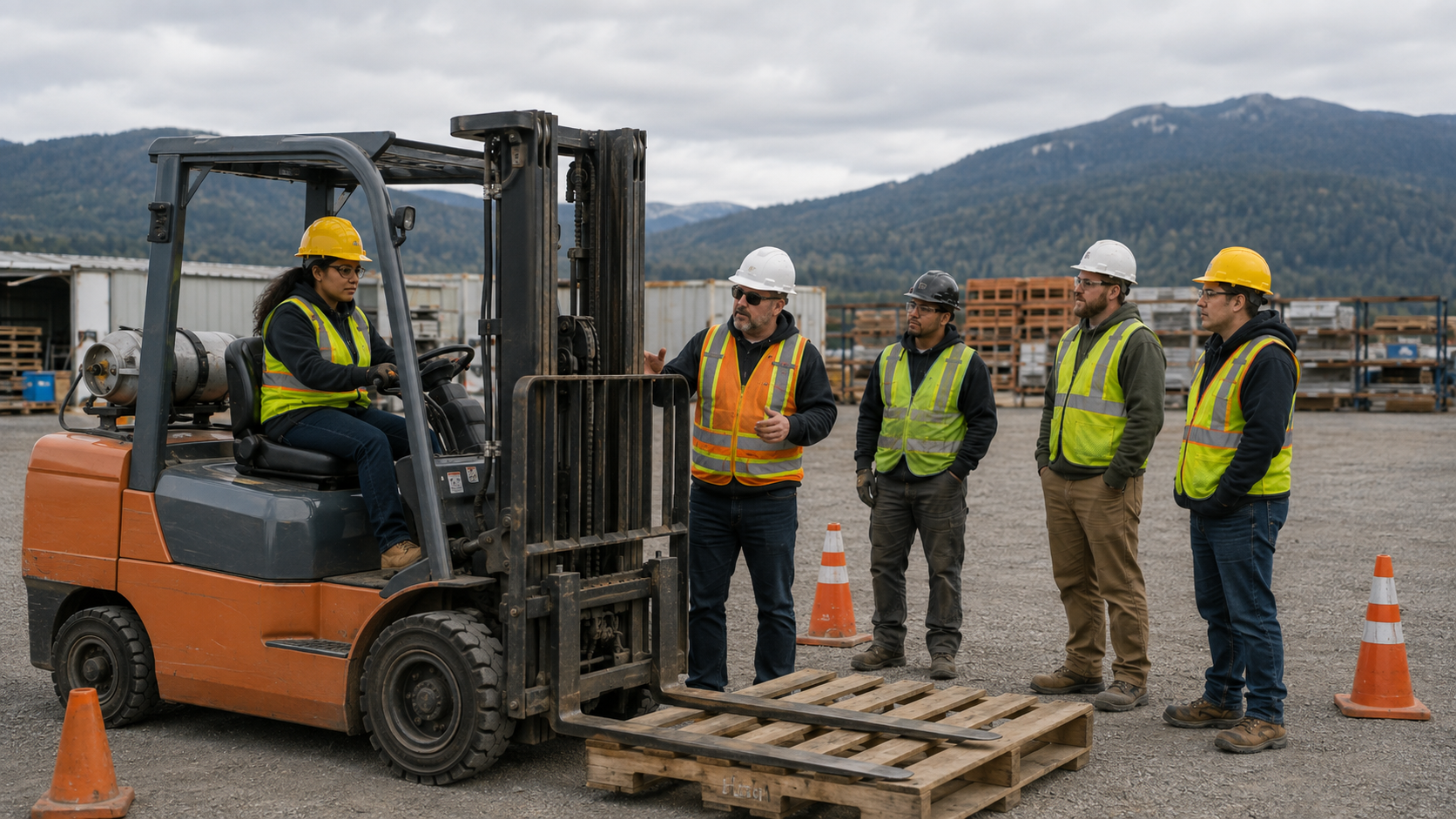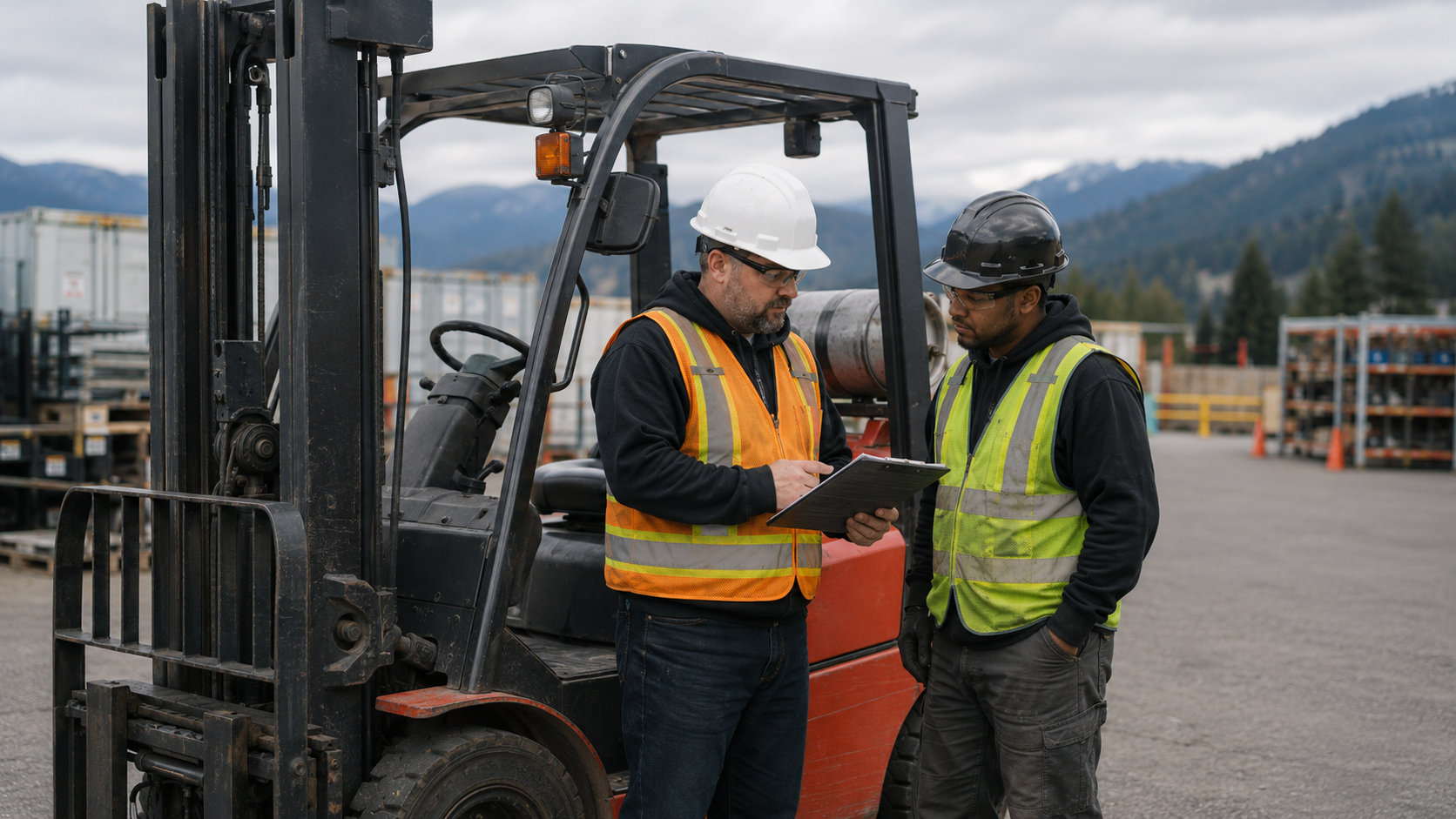
Scissor lifts are some of the most common pieces of equipment found on construction sites, warehouses, and maintenance projects. They make it possible for workers to reach elevated areas safely, perform tasks more efficiently, and reduce the risks associated with ladders or makeshift platforms.
But like any piece of mobile equipment, scissor lifts come with hazards. And that’s where scissor lift operator training becomes essential. Employers are responsible not only for ensuring operators are trained, but also for keeping certifications up to date.
If you’re asking yourself “How often do I need to renew scissor lift certification?”—you’re already thinking like a responsible operator or employer. Let’s break it down.
Why Scissor Lift Training Matters
Before we talk about renewals, let’s talk about why this training exists in the first place.
Every year, there are accidents involving aerial lifts, including scissor lifts. These range from tip-overs and falls to collisions and equipment failures. Most of these accidents are preventable. Proper training ensures that operators understand:
- How to inspect and maintain a scissor lift.
- How to recognize workplace hazards (overhead obstructions, unstable surfaces, electrical lines).
- How to operate within the manufacturer’s load and height limits.
- Emergency protocols if something goes wrong.
In British Columbia, scissor lift operation falls under WorkSafeBC Occupational Health and Safety (OHS) Regulation Part 13: Ladders, Scaffolds and Temporary Work Platforms. Training must also align with CSA Standards B354.2 (Scissor Lifts).
The bottom line: Employers must ensure workers are trained before operating a scissor lift and retrained regularly to maintain safety standards.
Certification Renewal: The General Rule
So, how often does your scissor lift certification need renewal?
- In most cases, certification is valid for 3 years.
- After 3 years, operators must undergo refresher training to stay compliant.
This isn’t just a box to tick—it’s about making sure skills and knowledge stay sharp. Regulations, equipment technology, and workplace conditions evolve, and refresher training ensures operators remain competent.
When You Might Need Refresher Training Before 3 Years
While the 3-year rule is the standard, there are situations where operators may need to renew their certification earlier. Refresher training is required when:
- An accident or near-miss occurs
If an operator is involved in an incident, even a close call, retraining is mandatory. - Unsafe operation is observed
Employers have a duty to supervise. If a supervisor notices an operator is not following safe procedures, retraining must be provided immediately. - Changes in equipment
New models or significant updates to equipment may require operators to retrain to understand the differences. - Changes in the workplace
If the job site changes (e.g., new hazards, different floor conditions, tighter workspaces), additional training may be needed. - Long gaps in use
If an operator hasn’t used a scissor lift in a long time, refresher training helps re-establish safe practices.
The Risks of Skipping Renewal
Some employers may be tempted to delay refresher training or overlook it altogether. But failing to keep certifications current carries real risks:
- Legal liability: WorkSafeBC regulations require training. Non-compliance can lead to heavy fines and penalties.
- Increased accidents: Out-of-date training increases the chance of mistakes, which can cause injuries or fatalities.
- Insurance issues: If an accident occurs and training records are not current, insurance claims may be denied.
- Reputation damage: For contractors and companies, unsafe practices can harm reputation and future business opportunities.
Put simply: renewing scissor lift certification on time protects people, companies, and bottom lines.
What Renewal Training Covers
Refresher training isn’t just a repeat of the initial course. It’s a streamlined program that updates operators on the latest safety practices while reinforcing core skills. Typically, renewal training includes:
- Review of current WorkSafeBC and CSA regulations.
- Safe operating procedures for scissor lifts.
- Pre-use inspection checklists.
- Fall protection requirements.
- Hazard identification and risk control.
- Emergency lowering procedures.
- Hands-on evaluation to confirm operator competence.
By the end of renewal training, operators should demonstrate both knowledge and practical ability to handle scissor lifts safely.
Why Localized Training Matters: Campbell River Example
Now let’s make this practical. If you’re looking for Scissor Lift Operator Training in Campbell River, choosing a provider that understands both provincial regulations and local worksite conditions is crucial.
Campbell River has a unique mix of industries—construction, forestry, marine, and energy projects. Each setting comes with its own challenges, from uneven terrain at outdoor job sites to confined spaces in warehouses.
A local training provider like VIF Safety Training ensures that:
- Operators are trained in compliance with WorkSafeBC and CSA standards.
- Training scenarios reflect the real-world environments workers face in Campbell River and surrounding communities.
- Employers can easily schedule on-site training for crews, minimizing downtime.
Employer Responsibilities
Employers play a key role in keeping certifications current. It’s not enough to train workers once and assume they’re covered for life.
As an employer, your responsibilities include:
- Providing initial training before an employee operates a scissor lift.
- Maintaining training records that show when certification was issued and when it expires.
- Scheduling refresher training every 3 years (or sooner if conditions demand it).
- Supervising operators to ensure safe practices are consistently followed.
- Exercising due diligence—ensuring the workplace is safe, even when regulations don’t specify every detail.
When employers stay proactive, they reduce risks and build a culture of safety that benefits everyone.
Tips for Staying on Top of Certification Renewals
Here are some practical ways to avoid letting certifications expire:
- Maintain a training log with expiry dates clearly marked.
- Set digital reminders (calendar alerts, HR software) for renewals.
- Schedule refresher training in advance so it doesn’t interfere with project deadlines.
- Bundle training sessions if multiple employees’ certifications expire around the same time.
- Work with a trusted training provider that keeps your records and can alert you when renewals are due.
The Bottom Line
Scissor lift certification isn’t “one and done.” In British Columbia, renewal is required every 3 years—and sometimes sooner depending on circumstances. Keeping training current ensures compliance with WorkSafeBC and CSA standards, reduces accidents, and protects both workers and employers.
If you’re based in Campbell River and need to renew or certify your operators, VIF Safety Training is here to help. We provide Scissor Lift Operator Training in Campbell River that’s comprehensive, compliant, and tailored to your worksite needs.
Don’t wait until certifications expire—or worse, until an accident happens. Stay compliant, keep your team safe, and operate with confidence.
Contact VIF Safety Training today to book your Scissor Lift Operator Training in Campbell River.
Call us at 250-889-2074 or visit our website to schedule your training session.