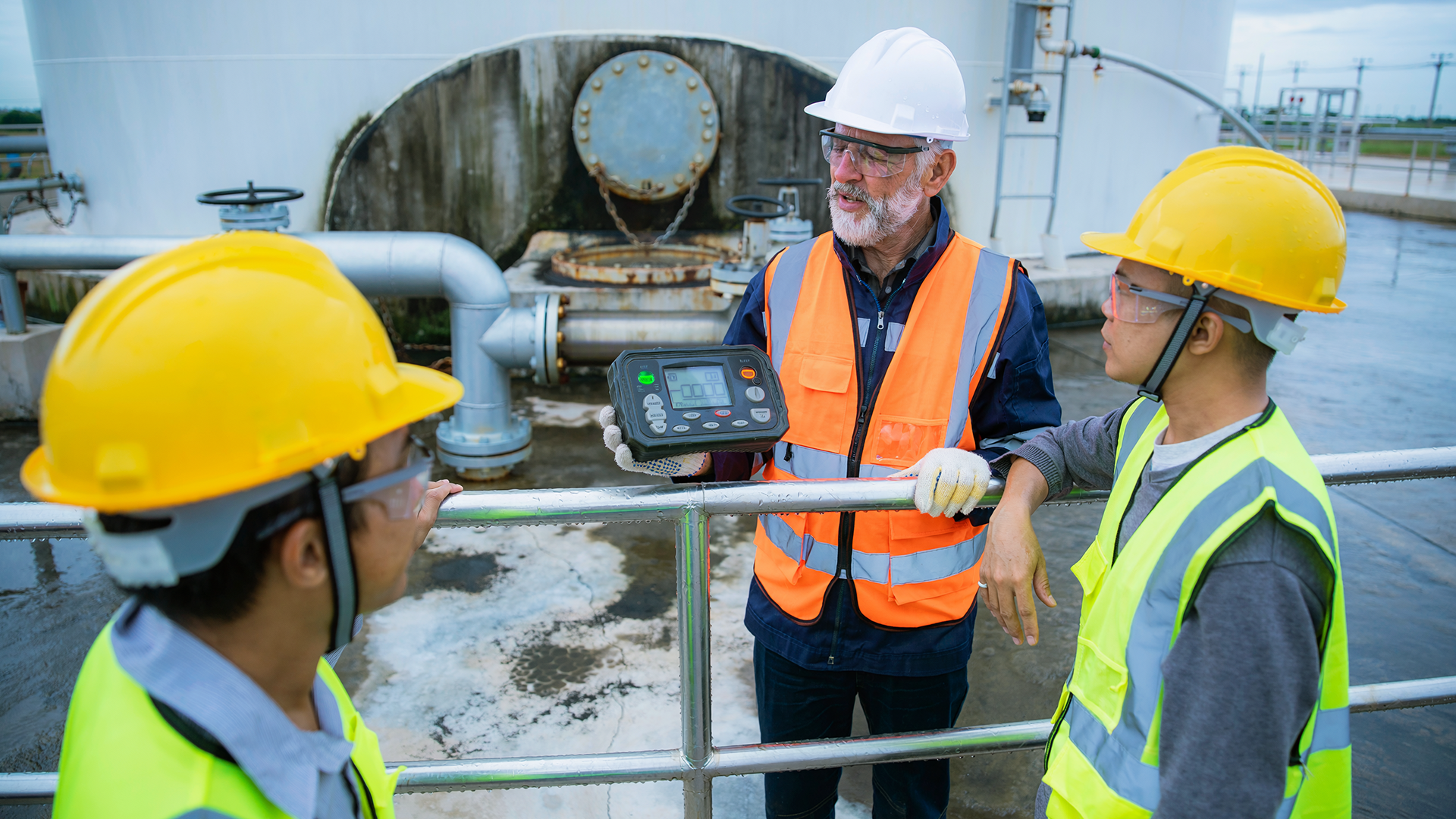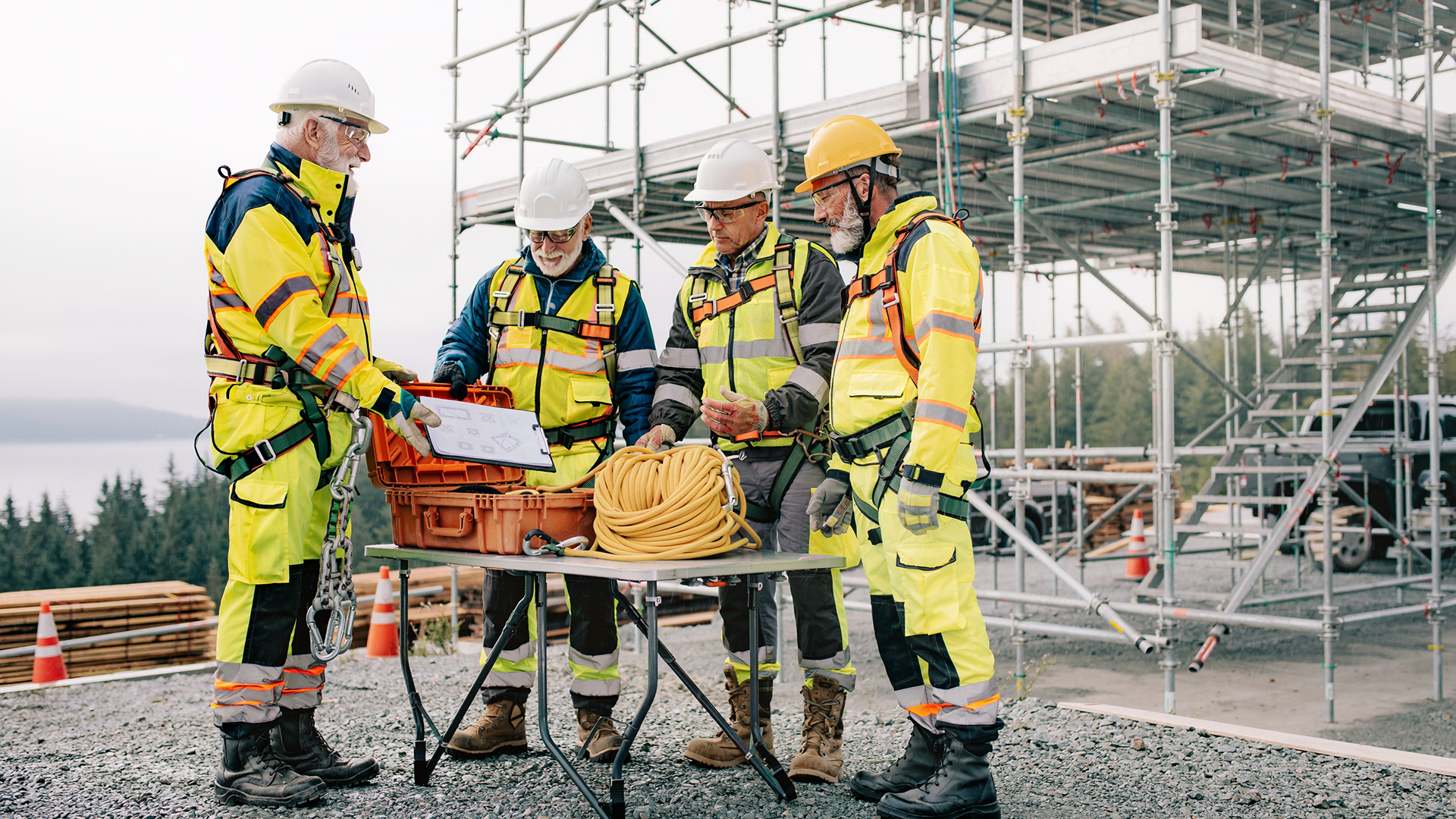
Quick Answer: Outdoor forklift training in winter needs a review of the equipment, learning area, visibility, weather, and arrangements for interruption. In Victoria, employers and trainers should agree that the proposed conditions are suitable for instruction and practical assessment. Booking a date does not establish that an outdoor session can proceed under any conditions.
Winter can complicate an otherwise straightforward training booking. A yard available during one shift may be busy during another, daylight may not cover the proposed timetable, and the practice area may look different when the trainer arrives. Those changes affect the learning arrangement before anyone discusses how long the course should take.
Employers considering onsite forklift training in Victoria should explain the outdoor setting at the enquiry stage. VIF Safety Training can discuss the crew, equipment, and worksite information needed to plan a session. This guide focuses on making that booking realistic, including what to review, which questions to resolve, and how to avoid treating unsuitable conditions as a training challenge to push through.
What Winter Changes About an Outdoor Training Day
An outdoor training day relies on more than the availability of an instructor and a truck. The learning area, nearby work, visibility, and access need to support the planned activities. Winter makes it especially useful to confirm those conditions close to the booking rather than relying on a description prepared several weeks earlier.
Daylight is a scheduling consideration, not a reason to compress assessment. If practical work is planned after the theory portion, discuss when that work would actually happen. The timetable should allow the trainer to assess the operator properly, with the proposed lighting and site arrangements reviewed before the session.
Weather can also change which parts of the property are usable. A space shown in a photograph may be serving another purpose on the day, or its condition may have changed. Send current information and identify anything the employer still needs to resolve instead of describing an area as ready simply because it was used previously.
Exposure affects people as well as equipment. Learners waiting between practical activities need an appropriate arrangement, and the theory setting must allow people to hear and participate. Those are booking questions to discuss with the trainer, not instructions for carrying on with outdoor work regardless of conditions.
Keep the difference between realistic training and unsuitable exposure clear. Onsite learning can connect instruction to the employer’s actual equipment and surroundings. It should not be used to justify an assessment area that prevents adequate observation or places people in conditions the employer and trainer have not agreed are suitable.
Consider an employer whose yard is quiet early in the morning but becomes a receiving area later. A booking that fits the staff roster may still conflict with deliveries during practical assessment. The useful response is to explain that pattern early and agree on the learning arrangements, rather than expecting the trainer to work around every change on arrival.
Compare two possible bookings at the same property. One places all practical assessment in a reserved area before receiving activity starts. The other uses the same area later while deliveries are expected. The address and truck may be identical, yet the learning arrangements are different. Explaining the site’s daily pattern gives the trainer information that a general description of the yard cannot provide.
A second useful comparison concerns the participants. A supervisor may propose releasing one worker at a time while the rest remain on production duties. Another arrangement may release the whole group together. Either proposal needs discussion about instruction, observation, waiting arrangements, and equipment availability. Do not assume that an arrangement used during a previous season will suit a different group without checking those details.
Keep observations separate from recommendations in the first enquiry. For example, explain that the intended area is used by another team during part of the shift. The employer and trainer can then discuss whether the proposed arrangement needs changing. That is more useful than stating that training will simply move to a different corner when the space becomes busy.
Once the timetable is discussed, identify what would trigger a new conversation. A participant change, revised machine, different access arrangement, or altered production schedule may matter even if the weather forecast is unchanged. A winter plan should account for the actual booking variables instead of treating weather as the only possible interruption.
This also helps the employer estimate operational disruption honestly. Reserving suitable time and equipment is different from promising that no work will be affected. Ask which parts of the proposal are confirmed, which require workplace coordination, and when those decisions need to be made.
What the Employer and Trainer Need to Review Together
The employer knows the worksite, while the trainer needs enough information to plan relevant instruction and assessment. Bring those perspectives together before confirming the session details. A short, accurate account of the actual conditions is more useful than a general assurance that there is plenty of space.
The Equipment and Assessment Area
Identify the trucks and attachments intended for the session. Explain which operators use each machine and whether any equipment is being brought in specifically for training. The trainer should know the proposed configuration rather than discovering a different machine when practical work is due to begin.
Share what is known about equipment condition and availability. Training should not depend on a truck with unresolved defects or one that production may reclaim at any moment. Agree on the employer’s equipment responsibilities and how the trainer will be told if the proposed machine becomes unavailable.
Describe the learning area in relation to the rest of the site. Include the normal activities around it, access restrictions, and any known changes expected before the booking. Do not substitute an estimated area measurement for a discussion of whether the location supports the intended assessment.
The purpose of this review is to identify questions for the employer and trainer. It is not a set of instructions for treating ground conditions, creating a practice course, or operating in poor weather. Have the relevant site issues resolved through the workplace’s established arrangements.
Visibility Access and Site Activities
Explain when the area is normally active and who uses nearby routes. Deliveries, pedestrians, other machines, and contractors can affect the proposed training window. A session that was suitable on a quiet day may need different arrangements during a busy production shift.
Ask how the trainer will be able to observe the practical activities. Visibility depends on the location, lighting, equipment, and surrounding work. The booking conversation should establish what needs checking without relying on the assumption that a familiar yard is suitable for every training activity.
Access matters before instruction begins too. Confirm where the trainer should arrive, who will meet them, and who can answer site questions. If the location or entrance changes, communicate that promptly so arrival arrangements do not consume the time reserved for learning.
Record who is responsible for confirming the area’s availability on the day. A named employer contact helps avoid a situation in which the trainer, supervisor, and production team each assume someone else has checked the conditions.
Which Parts of the Session Can Be Planned Separately
Theory and practical work serve different purposes. A room discussion can develop understanding, while the practical portion gives the trainer evidence about performance on the relevant equipment. An interruption to one part should not quietly change what the whole session is understood to have achieved.
Ask what can reasonably go ahead if the outdoor arrangement needs another review. There may be useful classroom work to complete, but the answer depends on the planned course and the trainer’s judgement. Do not assume that completing the theory means an operator can be signed off before the practical requirements are met.
Keep any partial completion clearly described in the records. The employer should understand which elements took place, which remain outstanding, and what must happen next. A booking receipt or attendance record should not be mistaken for confirmation that every planned assessment was completed.
The same care applies when discussing online material. A remote learning component does not demonstrate an operator’s practical performance by itself. Confirm the actual training and assessment arrangement with the provider rather than choosing a format solely because winter makes the outdoor timetable harder.
The official WorkSafeBC information on forklift operator training explains that employers must ensure operators are properly trained and receive further training and supervision as needed. For a winter booking, the relevant point is that the learning requirements remain important when scheduling becomes inconvenient.
If staffing is also changing for the busy season, read our guide to forklift training for temporary holiday workers. A new group and an uncertain outdoor timetable should be discussed together so neither issue is overlooked.
How to Plan for Weather Interruptions
A useful contingency discussion identifies what happens when the planned conditions change. It should establish a communication process and the questions that will be reviewed. It should not be presented as a promise that a course will always continue somewhere else.
When the Proposed Area Needs Another Review
Tell the trainer about a material change to the site, equipment, or surrounding work. The assessment area may have become unavailable, the proposed lighting may differ, or deliveries may now occupy the booked window. These are reasons to revisit the arrangement before assuming the original plan remains workable.
Avoid creating your own operating limits from a blog or from what another employer accepts. Equipment instructions, site procedures, and the relevant qualified review determine what is appropriate. This article does not provide temperature, wind, surface, or visibility thresholds for proceeding.
A change can affect the training objective as well as the schedule. If the replacement machine differs from the intended one, the trainer needs to consider whether the session still addresses the operators’ actual assignments. Availability alone does not establish equivalence.
Agreeing on Changes Before Training Day
Confirm who should make contact and how soon they should communicate a change. The specific notice and cancellation arrangements belong in the booking discussion. Do not assume the provider offers a particular rescheduling policy unless it has been confirmed directly.
Ask whether any alternative arrangement is genuinely available. An indoor classroom does not necessarily provide an indoor practical area, and another date may affect staff and equipment availability. Keep proposed alternatives distinct from confirmed arrangements.
The table below can help organize that conversation without turning it into a checklist for deciding that a hazardous training area is acceptable.
| Planning factor | Information to share | What needs confirming |
|---|---|---|
| Available daylight | Proposed shift and session timing | Suitable practical assessment window |
| Outdoor area | Current photographs and normal use | Employer and trainer review of suitability |
| Equipment | Truck types attachments and availability | Suitable machines for the planned assessment |
| Surrounding work | Deliveries pedestrians and production activity | How the learning arrangement will be coordinated |
| Interruption | Known exposure and contingency questions | Actual communication and rescheduling arrangements |
Keep the agreed plan with the booking information. If a discussion remains unresolved, record it as unresolved rather than allowing it to disappear into a general confirmation email. That makes the next decision easier when conditions change.
What to Share Before Booking Winter Training in Victoria
Prepare the information that helps the trainer understand the proposed day. A detailed safety manual is not always the best first message, but a vague enquiry can hide issues that will affect planning. Start with the facts below, then ask what further information is needed.
- Proposed dates, shift times, and the operators expected to attend
- Truck types, attachments, and any equipment availability concerns
- Current information about the outdoor learning area and nearby work
- Known visibility, exposure, or access questions requiring review
- A named employer contact and questions about schedule changes
Explain the operators’ experience as well as the number of participants. A group of new learners and a small group returning for further assessment may need different arrangements. The provider should have that information before estimating how the day might be organized.
If you already have a timetable in mind, describe it as a proposal. Our existing article on how long forklift training takes in Victoria explains why group experience and equipment affect duration. Winter adds site and scheduling questions to that discussion; it does not create one fixed alternative course length.
Also identify any parts of the worksite description that may change before the session. A construction area, seasonal receiving operation, or temporary storage arrangement can look different by the booking date. The trainer needs to know which details are stable and which require a later confirmation.
Send photographs with enough context to show where the area sits within the operation. A close view of an empty patch of ground may not reveal the access route or nearby activity. Current, useful information helps the employer and trainer ask the right questions sooner.
Finally, distinguish the training booking from permission to assign work. The employer still needs to establish readiness for the actual equipment and site. Confirm the current WorkSafeBC requirement for your situation, especially where conditions, equipment, or an operator’s duties have changed.
How VIF Safety Training Plans Onsite Sessions in Victoria
VIF Safety Training offers onsite instruction so employers can discuss learning in relation to the equipment and workplace their operators use. For a winter enquiry, describe the proposed setting and any concerns about the outdoor portion. That allows the conversation to begin with the real booking conditions.
The team can review the intended course, participant background, and information needed for planning. Ask which decisions must be settled before the date is confirmed and what should be communicated if the site changes. Any alternate location, divided session, or postponement arrangement needs direct confirmation.
Forklift training services in Victoria should be matched to the operators and equipment rather than reduced to a calendar slot. Be clear about which machines will be available, who will coordinate on behalf of the employer, and what work the crew is expected to undertake afterward.
A well-prepared enquiry also helps establish the boundaries of the provider’s role. The trainer can discuss course and assessment arrangements, while the employer remains responsible for its workplace and assignments. Neither a booking nor attendance should be described as a guarantee of readiness under every future condition.
Bring unresolved questions forward before the session. Knowing what still needs review is better than treating the absence of a discussion as approval. The aim is a realistic training plan with clear responsibilities and a record of what has actually been completed.
To discuss an outdoor winter session in Victoria, contact VIF Safety Training with your crew details, equipment information, and proposed learning area. Call (250) 889-2074, email info@vanisleforklift.ca, or contact VIF Safety Training to review scope, scheduling, and the information needed before booking.