Picture this: you have a crew that needs several kinds of training. Forklift work, some lift operation, fall protection, maybe more. The instinct is to book it all and get it done. More training, more coverage, problems solved. But it does not quite work that way.
Combining multiple safety courses is a planning job, not just a booking job. Book everything in the wrong order, send the wrong people to the wrong session, or cram too much into one stretch, and you can spend more and still end up with gaps. The number of courses is not what matters. The plan behind them is.
This blog walks through what to clarify before you combine courses. Start with the actual work, sort out who needs what, plan the scheduling so it does not weaken the training, and bring a clear picture to the provider. Done right, a group of courses becomes a training plan instead of a pile of bookings.
Why Combining Courses Requires Planning
More Courses Do Not Automatically Mean Better Coverage
It is easy to assume that booking more training means better coverage. It is not always true. You can book a long list of courses and still miss what the crew actually needs, because the list was built from what was available rather than from the work.
Good coverage comes from the right mix, not the biggest mix. A smaller set of well-chosen courses, matched to the equipment and the crew, beats a long list that was never planned. The planning is what turns spending into coverage.
It also keeps the cost honest. Every course you book takes crew time and budget. When the list is planned around the actual work, every course on it earns its place. When the list is just everything available, you are often paying for sessions the crew did not really need.
Course Order and Crew Selection Can Affect Usefulness
Two things shape whether combined training works. Order and selection. The sequence you run courses in affects how well each one lands. The people you send to each session affect whether the training reaches the right crew.
Get these wrong and the training still happens, but it works less well. Get them right and the courses reinforce each other, the crew stays engaged, and the schedule holds together. That is the difference planning makes.
Neither of these is complicated to get right. They just have to be decided on purpose rather than by default. A short planning conversation up front settles both, and it saves you from sorting them out the hard way later.
Start With the Work the Crew Actually Performs
Map Tasks to Equipment and Exposure
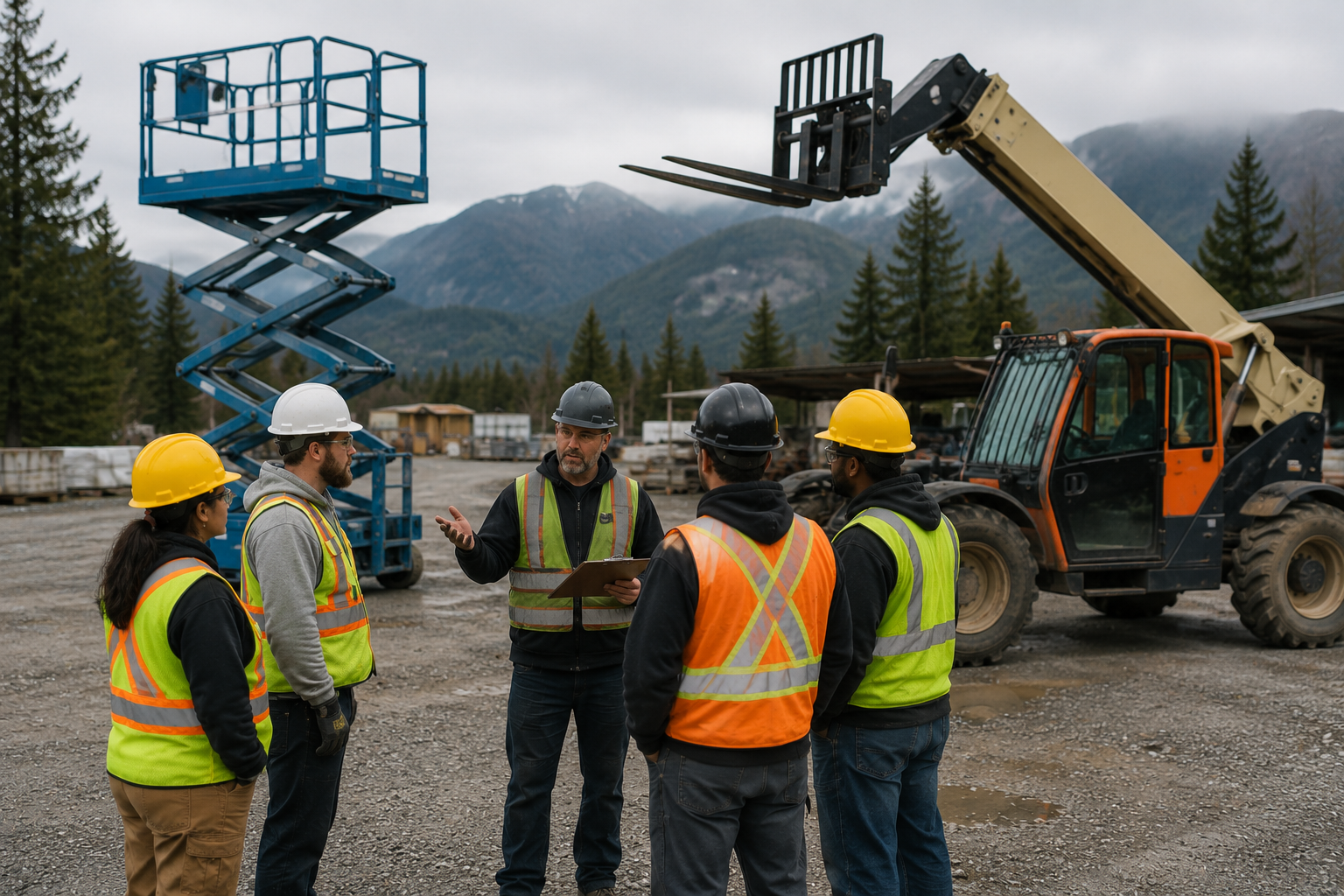
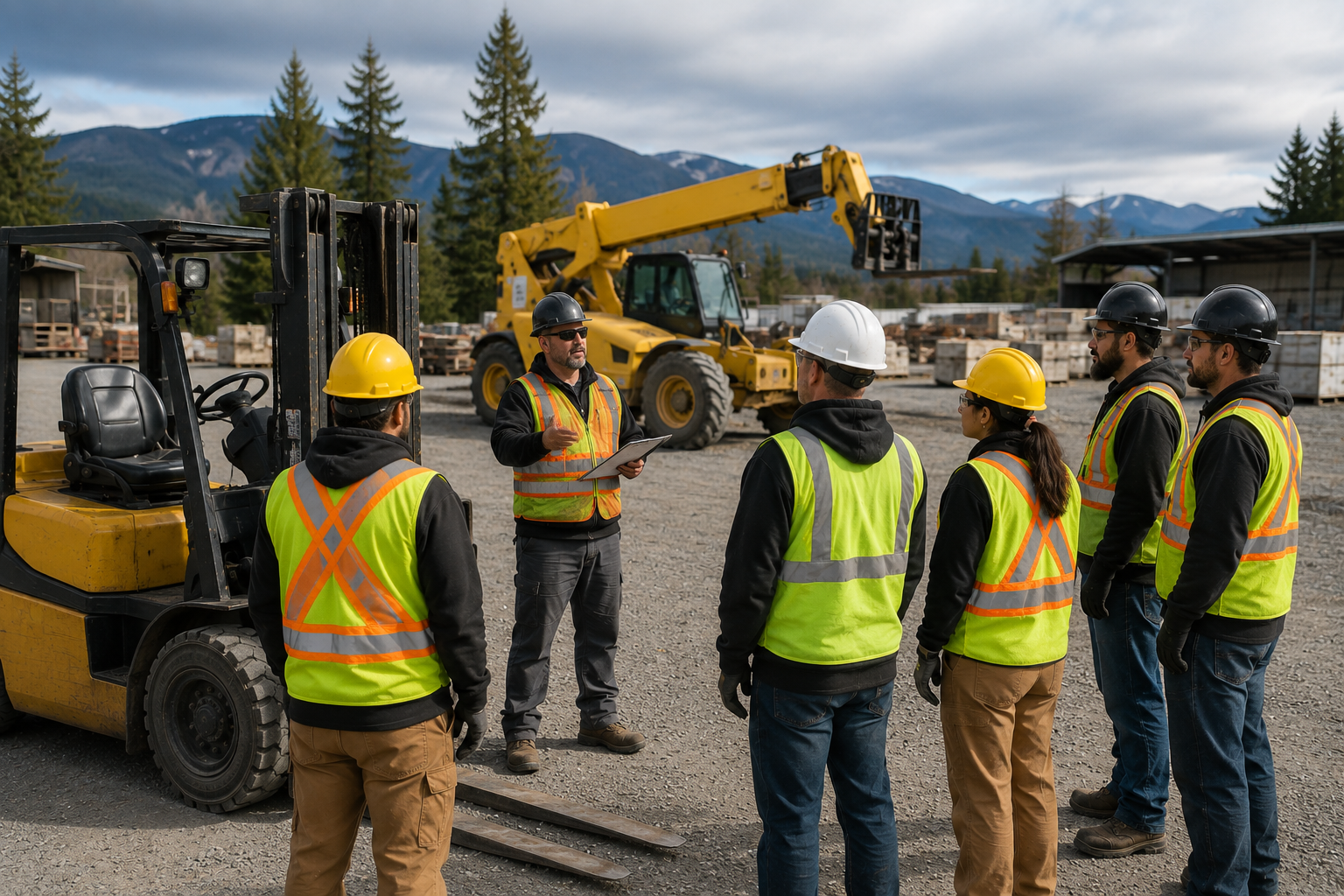
The planning starts with the work, not the course catalogue. List what your crew actually does:
- Forklift work: which machines, what tasks, how often.
- Lift work: scissor lifts, aerial lifts, and the elevated tasks they support.
- Telehandler tasks: reach work, material handling, and the conditions involved.
- Confined areas: any work that brings confined space exposure.
- Work at height: elevated tasks beyond the lifts, where fall exposure applies.
Separate Operator Training From Awareness Training
Not all training answers the same kind of need. Some courses are about operating a specific machine. Others are about awareness that applies across tasks. Mixing those up in your planning leads to the wrong people in the wrong sessions.
Operator training prepares workers to run particular equipment. Awareness training builds the broader understanding that supports safe work across different situations. When you map your courses, sort them this way. It makes the next step, deciding who needs what, much clearer.
Clarify Who Needs Which Course
Operators, Supervisors, and Support Workers
Once the courses are mapped, work out who attends each one. This is where combined training often goes sideways. Send everyone to everything and you waste time and crew availability. Exclude the wrong people and you leave gaps.
Operators need the training for the equipment they run. Supervisors may need a different kind of involvement, focused on planning and oversight rather than operation. Support workers need whatever their actual exposure calls for. Matching people to courses deliberately is what keeps the plan efficient.
A simple way to check this is to go course by course and ask who actually needs to be in that room. If the answer is everyone, look closer. It usually is not. The course-by-course check is what catches both the wasted seats and the missed people.
Mixed Experience and Seasonal Workers
Crews change over time. You have experienced operators, newer hires, and seasonal workers who come and go with the workload. A combined training plan has to account for that movement.
Think about who is permanent and who is temporary, who is experienced and who is new, and how that shapes the sessions. Seasonal workers still need proper training for the work they do. Building that into the plan from the start is easier than scrambling to add it later.
Plan Scheduling Without Weakening the Training
Avoid Cramming Too Much Into One Day
There is a temptation to stack courses tightly to minimize disruption. It backfires. Learners have a limit. Cram too much training into too short a stretch and retention drops, no matter how good the trainer is.
The point of combining courses is coordinated planning, not compression. Spacing sessions so the crew can actually absorb each one is part of what makes the plan work. A well-paced plan respects how people learn.
There is a fair trade-off here. Tighter scheduling means less disruption now but weaker retention later. More spacing means a bit more coordination but training that actually sticks. A good plan finds the balance rather than defaulting to whichever is easiest to book.
Protect Operational Continuity
The other side of scheduling is keeping the operation running. You cannot pull the whole crew out for an extended training block and expect the work to wait.
Good planning works around shifts, plans coverage, and sequences the training so the operation keeps moving. We are not going to claim combined training comes with zero disruption. But thoughtful scheduling keeps it manageable, and that is part of what you clarify before booking.
| Planning Step | The Question to Answer | Why It Matters |
| Map the work | What does the crew actually do | Coverage should come from the work, not the catalogue |
| Sort the courses | Which are operator training, which are awareness | Different course types reach different needs |
| Match people to courses | Who needs each session | Prevents wasted seats and missed gaps |
| Account for crew changes | Who is permanent, new, or seasonal | The plan has to handle a crew that moves |
| Pace the schedule | How much can the crew absorb at once | Cramming weakens retention |
| Protect operations | How does work continue around training | The operation cannot simply pause |
What to Discuss With VIF Safety Training Before Booking
Course Fit and Sequencing
When you bring a combined training plan to VIF Safety Training, the conversation can cover which courses should be grouped and which should be kept separate. Some courses reinforce each other when run close together. Others work better with space between them.
Ask about sequencing directly. A provider who has planned combined training before can advise on the order that makes the set work as a plan rather than a pile. That advice is part of what you are looking for.
Site Details and Training Format
The conversation should also cover your site and the format that fits. Onsite delivery, the equipment available, the space for hands-on work, the crew logistics. These shape how the combined plan actually runs.
Depending on your operation, the plan might connect to the Mobile Equipment Trainer In Campbell River service for trainer-led sessions, or to forklift training services in Campbell River and fall protection training Campbell River as specific pieces of the plan. The format follows the plan, and the plan follows the work.
How to Turn a Group of Courses Into a Clearer Training Plan
Document the Plan by Role and Equipment
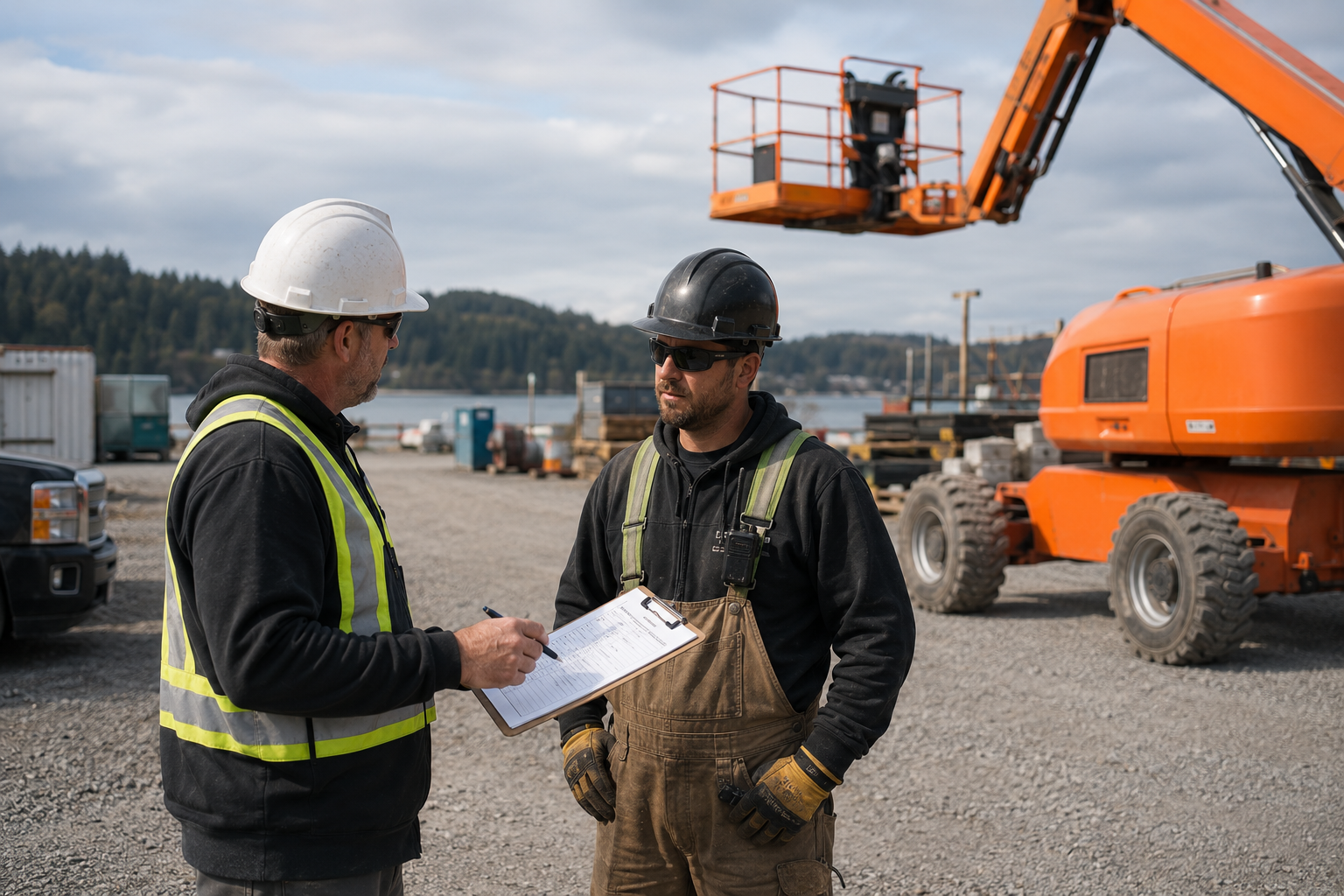
Once the planning conversation is done, write it down. A simple document that lays out which courses are happening, who attends each one, what equipment each covers, and roughly when. Nothing elaborate. Just clear.
This document is what turns a group of bookings into a training plan you can actually manage. Supervisors can see who is trained for what. New work can be planned against it. It becomes a tool, not just a record.
It also helps the next time around. When the plan is documented, your future training decisions start from a clear picture instead of a guess. You can see what is covered, what is coming due, and where the next gap is likely to appear.
Use Mobile Equipment Certification as the Planning Anchor
For many combined training plans, mobile equipment certification is the natural anchor. It is the piece that connects the equipment training across the crew, and the rest of the plan can be built around it.
If you are planning multiple courses for a Campbell River crew, the Mobile Equipment Certification Campbell River page is a practical starting point for the conversation. Visit the page for service details, or reach out to VIF Safety Training directly to turn your list of courses into a plan.
Combining multiple safety courses is a planning job. More courses do not automatically mean better coverage. The right mix, the right people, the right order, and a schedule that does not weaken the training are what turn a list of bookings into a real plan.
Map the work, sort the courses, match people to sessions, and bring the picture to VIF Safety Training. The conversation can sort out sequencing and format, and you will leave with a plan instead of a pile. Call 250-889-2074 or use the contact form to start.
Frequently Asked Questions
Can multiple equipment and safety courses be planned together?
Yes, and planning them together is the point. A combined training plan coordinates which courses run, who attends each one, and in what order. The goal is the right mix matched to your crew and equipment, not simply booking everything available.
How do employers know which workers need which training?
Start by mapping the work the crew actually performs, then sort courses into operator training and awareness training. Operators need training for the equipment they run, supervisors may need planning-focused involvement, and support workers need whatever their exposure calls for. Matching people to courses deliberately keeps the plan efficient.
Should forklift, lift, and fall protection training be scheduled in the same period?
It depends on the crew and the pacing. Some courses reinforce each other when run close together. Others work better with space between them so the crew can absorb each one. Cramming too much into a short stretch weakens retention. The sequencing is worth discussing with the provider.
Can VIF Safety Training help sequence several courses?
Yes. The booking conversation can cover which courses to group, which to keep separate, and what order makes the set work as a plan. A provider who has planned combined training before can advise on sequencing that fits your crew and operation.
What information should I prepare before combining courses?
Map the work your crew does across equipment and exposure, note who is permanent, new, or seasonal, and think through your scheduling constraints. Bring this picture to VIF Safety Training so the conversation can focus on building a plan rather than gathering basics.
How do I start a multi-course training plan?
Visit the Mobile Equipment Certification Campbell River page for service details, or call VIF Safety Training at 250-889-2074. Bring your mapped work, crew details, and scheduling constraints so the conversation can turn your list of courses into a coordinated plan.