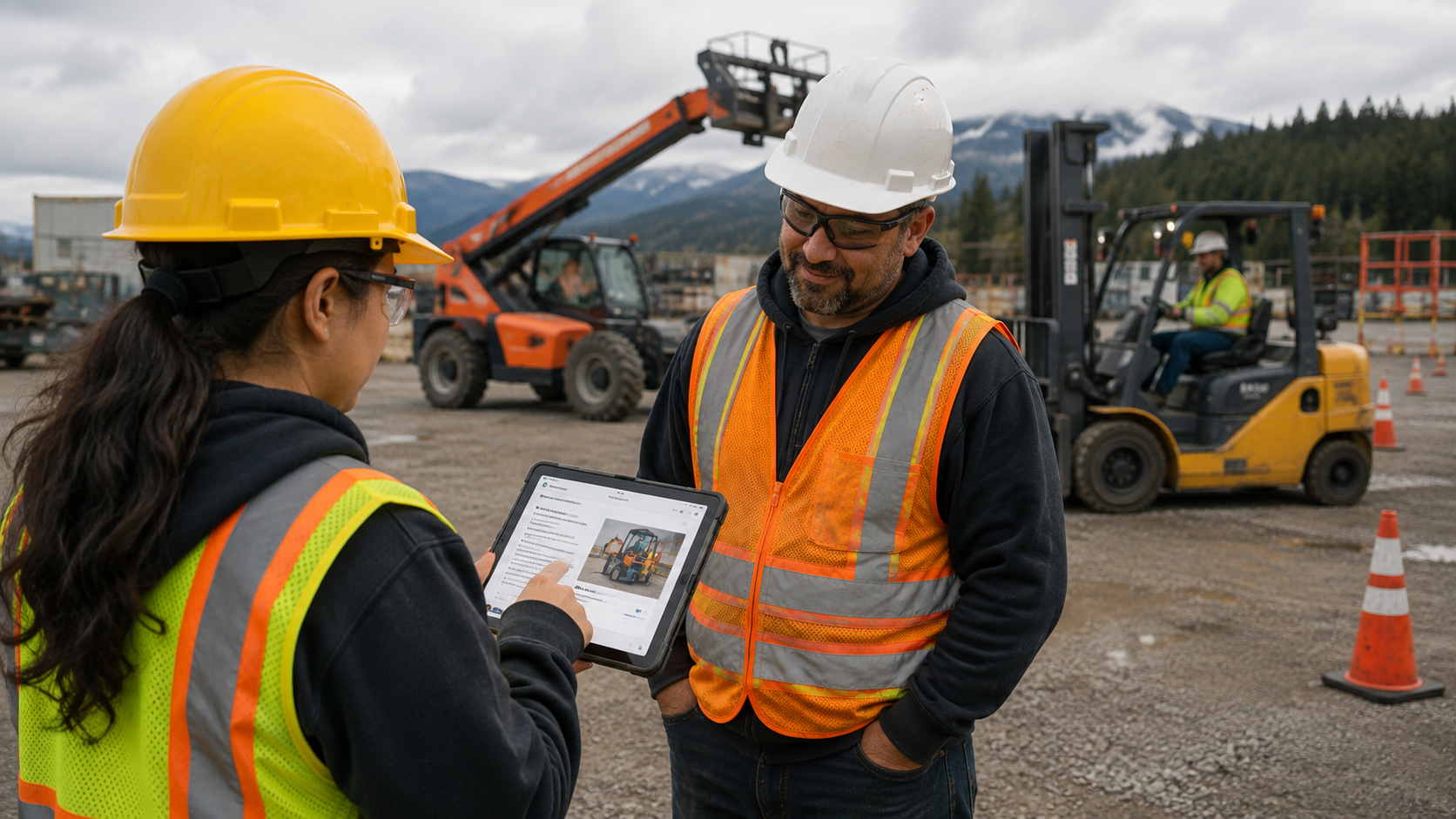
If your worksite in Campbell River uses aerial lifts—boom lifts, scissor lifts, or any other kind of mobile elevated work platform—you already know safety isn’t optional. These machines give workers access to heights and hard-to-reach areas, but in untrained hands they can cause serious accidents, injuries, or costly downtime. That’s why aerial lift training is not just a good idea—it’s a WorkSafeBC requirement.
One of the most common questions we hear from employers and workers alike is:
“How long does aerial lift operator training take in Campbell River?”
The short answer: not as long as you think. Most training sessions can be completed in a single day. But the exact time depends on several factors, from the type of lift to the experience of the operator. In this article, we’ll break down the details, explain what’s involved, and help you understand how to fit aerial lift training into your schedule without disrupting operations.
Why Aerial Lift Training Is Essential
Before diving into training time, it’s worth emphasizing why this process matters.
Every year, aerial lifts are involved in preventable incidents across BC. Common risks include:
- Tip-overs caused by improper setup or overloading.
- Falls from height due to lack of fall protection.
- Electrocution when working too close to power lines.
- Crushing injuries from improper maneuvering in tight spaces.
WorkSafeBC regulations under OHS Section 13: Ladders, Scaffolds and Temporary Work Platforms require operators to be trained and competent. In addition, training must meet CSA Standards B354.2 (scissor lifts) and B354.4 (boom lifts).
In short: untrained operators put your crew, your equipment, and your business at risk. Training is how you protect your people and stay compliant.
How Long Does Training Take?
Now, to the heart of the matter.
1. Classroom/Online Theory (2–3 Hours)
The first part of aerial lift operator training focuses on theory. Operators learn about:
- Regulatory requirements and employer responsibilities.
- Types of aerial lifts and their applications.
- Load capacity, stability, and safe operating procedures.
- Hazard recognition and site assessment.
- Fall protection requirements.
This section usually takes 2 to 3 hours, depending on the group’s size and how interactive the session is. Larger groups may take a bit longer since there are more questions and discussions.
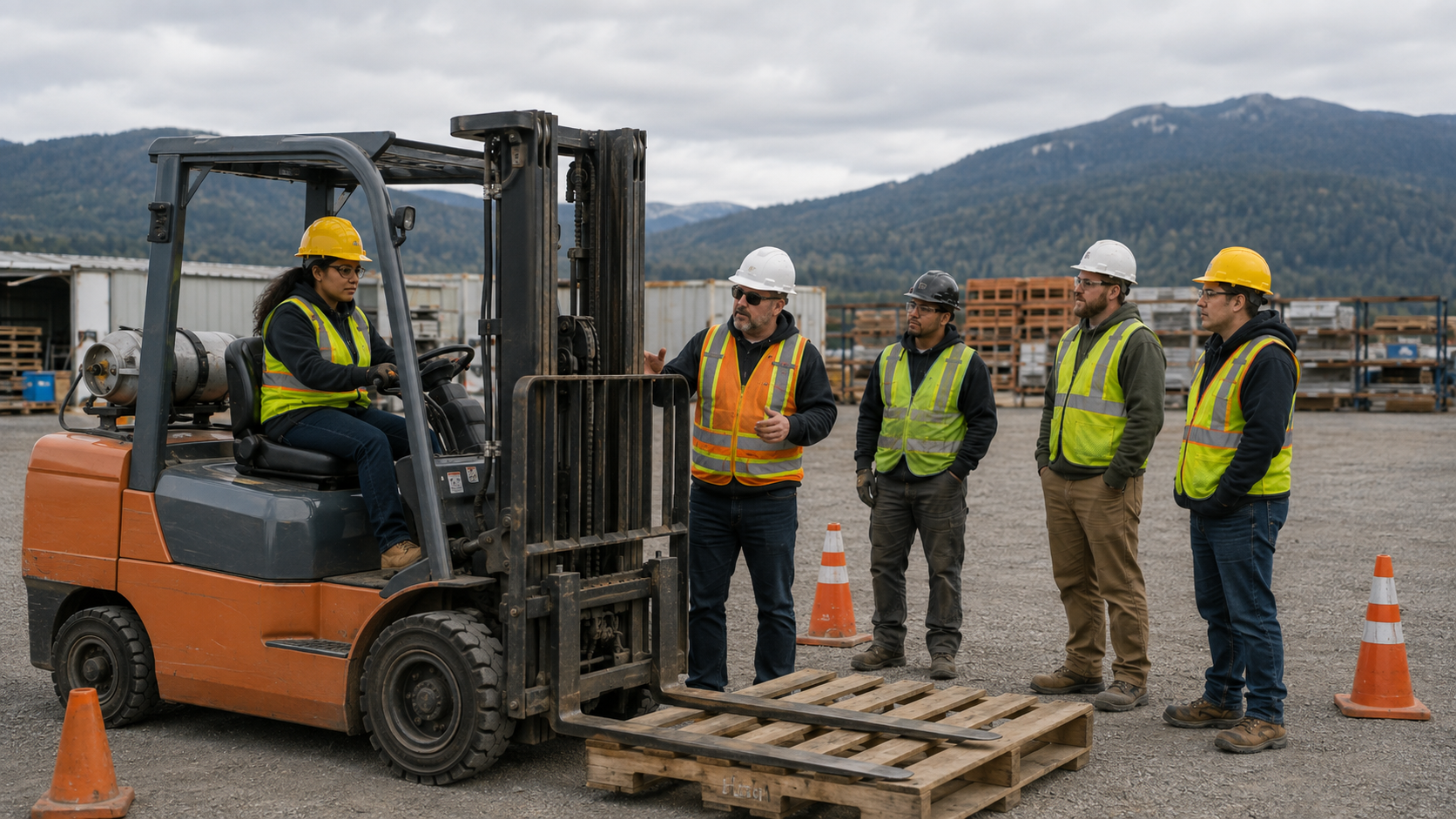
2. Practical Hands-On Training (2–4 Hours)
The second part is hands-on training on actual equipment. Operators practice:
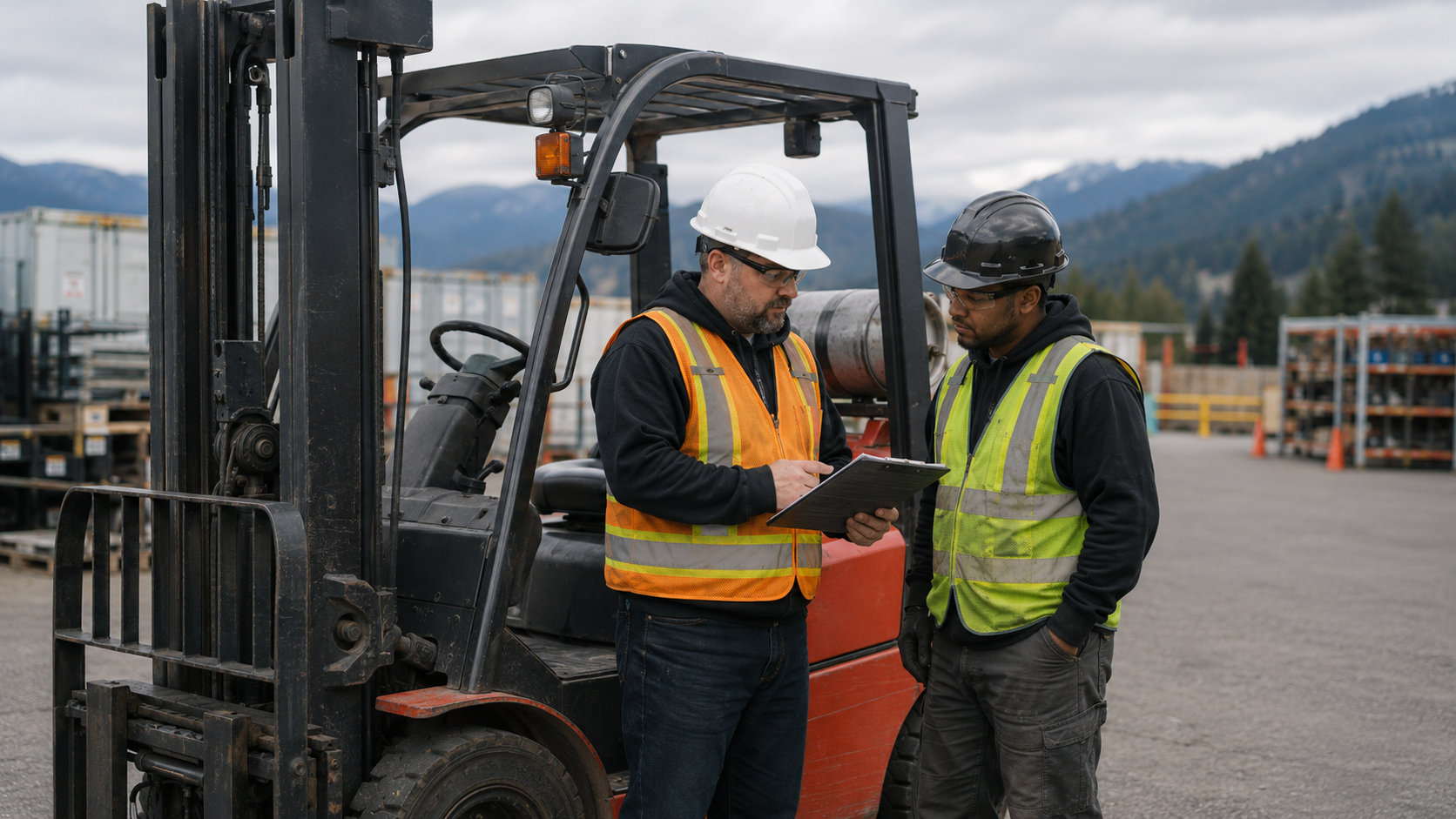
- Pre-operation inspections.
- Safe startup and shutdown procedures.
- Maneuvering in tight areas.
- Using controls at ground and platform levels.
- Emergency lowering and shutdown.
Hands-on training is crucial because every site is different—operators need confidence navigating the real conditions they’ll work in. Depending on the number of trainees and the types of lifts available (boom vs. scissor), this section typically lasts 2 to 4 hours.
3. Evaluation and Certification (30–60 Minutes)
To finish, each trainee is tested on:
- Their knowledge of the regulations and safe practices (usually a written quiz).
- Their ability to operate the lift safely in a controlled environment (a practical evaluation).
Successful participants receive an aerial lift operator certificate and wallet card that proves they are trained to CSA and WorkSafeBC standards.
Total Training Time
For most new operators, aerial lift training in Campbell River takes 4 to 8 hours, or essentially one full workday.
Factors That Affect Training Time
Not every training session takes the exact same amount of time. A few things can shorten or lengthen the process:
- Experience of Trainees
- New operators usually need more time for hands-on practice.
- Experienced operators may move faster, especially if this is a refresher course.
- Number of Participants
- Smaller groups move quickly.
- Larger groups require more time for individual evaluations.
- Types of Aerial Lifts Used
- If training covers both scissor lifts and boom lifts, expect more time.
- Single-machine training is usually faster.
- Worksite Conditions
- If the training takes place in a busy or complex worksite, extra precautions may add time.
How Often Do You Need Refresher Training?
Training isn’t a “one-and-done” task. WorkSafeBC and CSA standards recommend refresher training every 3 years or sooner if:
- The operator is involved in an accident or near-miss.
- Unsafe operation is observed.
- The operator is assigned to a new type of aerial lift.
Refresher courses are usually shorter than initial training—typically 3–4 hours.
What Employers in Campbell River Should Know
If you’re an employer arranging aerial lift operator training in Campbell River, here are a few important things to keep in mind:
- You’re responsible for ensuring your employees are trained. It’s not enough to assume they know how to use the equipment.
- Training must be site-specific. Even if an operator has prior certification, they need to understand the conditions and hazards of your particular workplace.
- Supervision matters. After training, employers must continue to provide oversight to make sure safety practices are followed.
Remember, due diligence is not just about meeting minimum standards—it’s about creating a safe, productive environment for your workforce.
The Benefits Go Beyond Compliance
Many employers view training as just another regulation to check off the list. But the benefits go much further:
- Fewer accidents mean fewer injuries, less downtime, and lower insurance costs.
- More efficient operators complete tasks faster and with fewer mistakes.
- Lower equipment damage saves money on repairs and extends machine life.
- Improved worker morale comes from knowing their safety is taken seriously.
In other words, training pays for itself quickly.
Choosing Aerial Lift Operator Training in Campbell River
When selecting a training provider, look for:
- WorkSafeBC-compliant programs that follow CSA standards.
- On-site training options, so your team learns in the environment where they’ll actually be working.
- Experienced instructors who understand both the regulations and the realities of local industries (construction, forestry, warehousing, etc.).
- Clear certification that is valid and recognized across BC.
Conclusion
So, how long does aerial lift operator training take in Campbell River?
- Initial training: 4–8 hours (one day).
- Refresher training: 3–4 hours.
For a small investment of time, you gain safer operations, regulatory compliance, and peace of mind knowing your workers are protected.
If your business in Campbell River uses aerial lifts, don’t wait until after an accident to think about training. Get ahead of the risks and make sure your operators are fully certified.
Ready to schedule Aerial Lift Operator Training in Campbell River?
Contact us today to book your on-site training session. We’ll bring the training to your worksite, keep the process efficient, and ensure your crew meets all WorkSafeBC and CSA standards.
Call us at 250-889-2074 or fill out our online form to get started.