Picture this: two crews both finish equipment training the same week. Both walk out with a certificate. On paper, they look identical. But a month later, one crew is operating with steadier judgment and the other is asking the same questions they had before training. Same paperwork, very different result.
That gap is what this blog is about. There is a real difference between a session that gets completed and a session that changes how a crew works. Both end with a certificate. Only one of them actually shifts the daily reality on your worksite.
We are not here to say certification does not matter. It does. The point is that completion alone is not the goal. What you are really after is practical readiness, and that comes from training built around your equipment, your crew, and your work. Below, we walk through what separates stronger training from a thin session, and what employers should expect from the better version.
Why Basic Completion Is Not the Same as Readiness
A Session Can Be Completed Without Changing Work Habits
Here is the uncomfortable truth. A worker can sit through a session, pass the parts they need to pass, and collect a certificate without much changing in how they actually operate. Attendance happened. The application did not.
That is the difference between completion and readiness. Completion is a record that the session took place. Readiness is the crew operating with better judgment because the training connected to their real work. A strong session aims for the second one. A thin session settles for the first.
This is not about blaming workers either. If the training stayed generic, the crew never got material that mapped onto their actual tasks. They cannot apply what was never connected to their work in the first place.
Employers Need Clarity After Training
Think about what you actually want once training is done. You want to know who can operate what, under which conditions, and with what level of supervision. That clarity is the real deliverable.
A basic session often leaves that fuzzy. The certificate says training happened, but you are still guessing about the details that matter for assigning work. A stronger session leaves you clearer. You come away with a better picture of your crew, not just a piece of paper for the file.
That clarity is also what makes the training pay off day to day. When supervisors know what each operator is ready for, task assignment gets easier and the second-guessing drops. The session is worth the downtime when it leaves the operation clearer than it found it.
What Stronger Training Usually Feels Like
The Trainer Asks About Real Equipment and Tasks
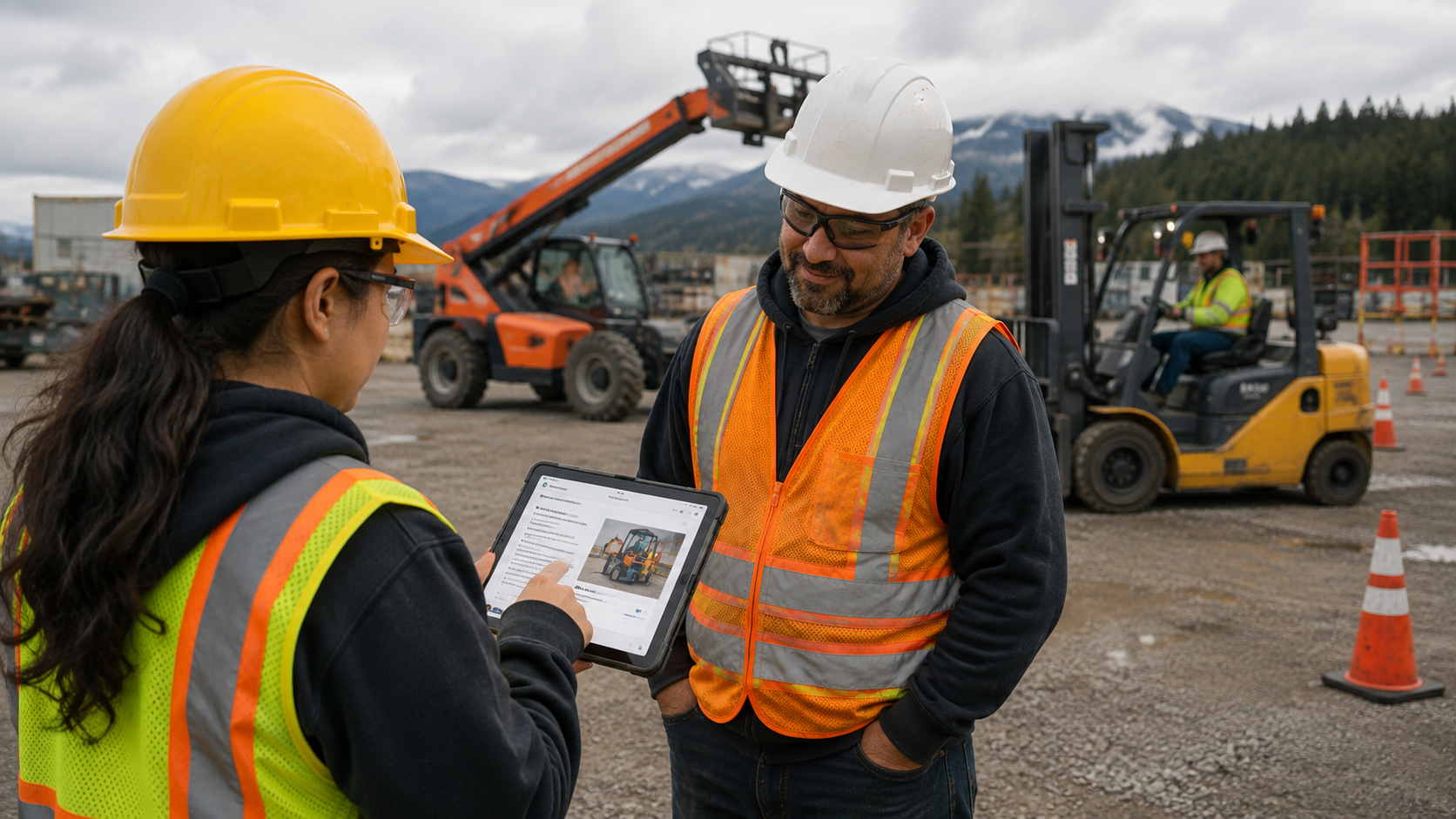
You can usually tell which kind of session you are getting before it even starts. It shows up in the questions. A strong trainer wants to know what equipment your crew runs, what tasks they perform, what the worksite looks like.
Those discovery questions are not a formality. They are how the session gets built around your operation instead of a generic template. When a trainer asks about your actual machines and your actual work, the examples in the session come from somewhere real. When a trainer asks nothing, the session is the same one everyone gets.
It is a simple test, and it costs you nothing to apply. Pay attention to whether the provider is curious about your operation or just ready to book a date. That curiosity, or the lack of it, tells you a lot about the session you are about to get.
Operators Understand Why Procedures Matter
There is a difference between knowing a procedure and understanding it. A thin session can have operators memorize steps. A strong session connects each step to a real work scenario, so the operator understands why it exists.
That understanding is what travels. An operator who only memorized the step struggles when conditions change. An operator who understands the reasoning can adapt, because they know what the procedure is actually protecting against. Strong mobile equipment training Nanaimo employers can rely on builds that understand, not just recall.
How Practical Examples Improve Relevance
Crew-Specific Situations
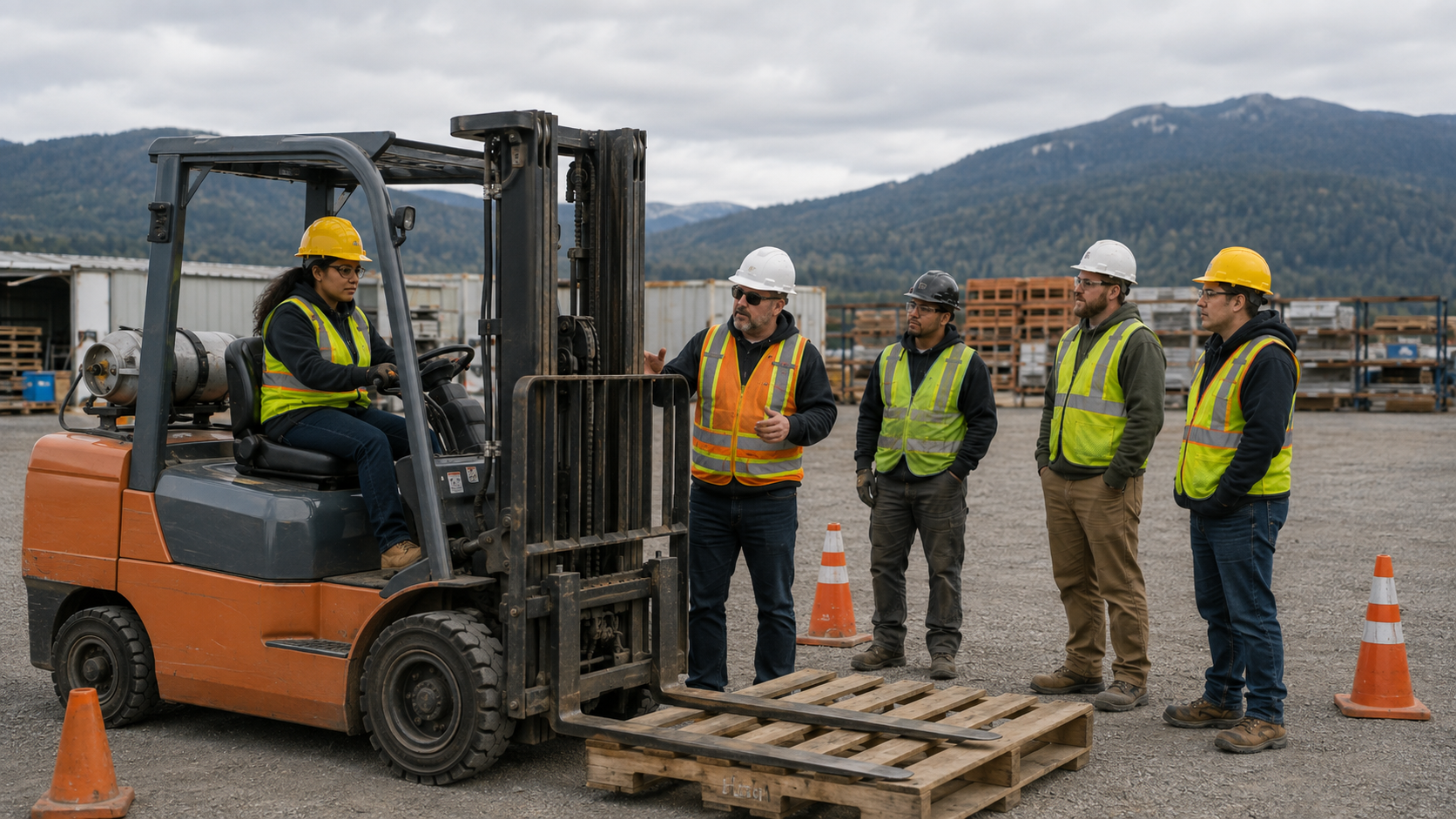
The examples a trainer uses are where a session either connects or drifts. Generic examples could apply to any crew anywhere. Crew-specific examples sound like your worksite.
- Indoor work: tight aisles, fixed racking, and the traffic of a busy facility floor.
- Outdoor and yard work: uneven ground, weather, and changing layouts.
- Lift tasks: elevated work where positioning and surroundings matter.
- Forklift tasks: load handling, staging, and movement through shared space.
- Material handling: the recurring movement work your crew does every shift.
Common Decision Points During Operation
Strong training also spends time on the moments where operators actually make decisions. Not just the mechanics of running the machine, but the judgment calls that come up during real work.
Visibility that is not ideal. Communication with people on foot. Surfaces that change. Attachments that change how the machine behaves. Conditions that shift through the day. A session that touches these at a practical level prepares operators for the work as it really is. A session that skips them prepares operators for ideal conditions only.
What Employers Should Expect to Clarify
Equipment Type, Crew Roles, and Site Conditions
To get the stronger version of training, you need to bring the right information into the booking conversation. The more the provider knows, the more the session can be built around your operation. Here is what to have ready:
- Equipment type: the machines your crew runs, including attachments.
- Crew roles: who operates, who supervises, who runs equipment occasionally.
- Site conditions: indoor, outdoor, surfaces, traffic, and work areas.
- Shift timing: when the crew can realistically attend without stopping everything.
- Training location: whether the session should run onsite or elsewhere.
Documentation and Next Steps
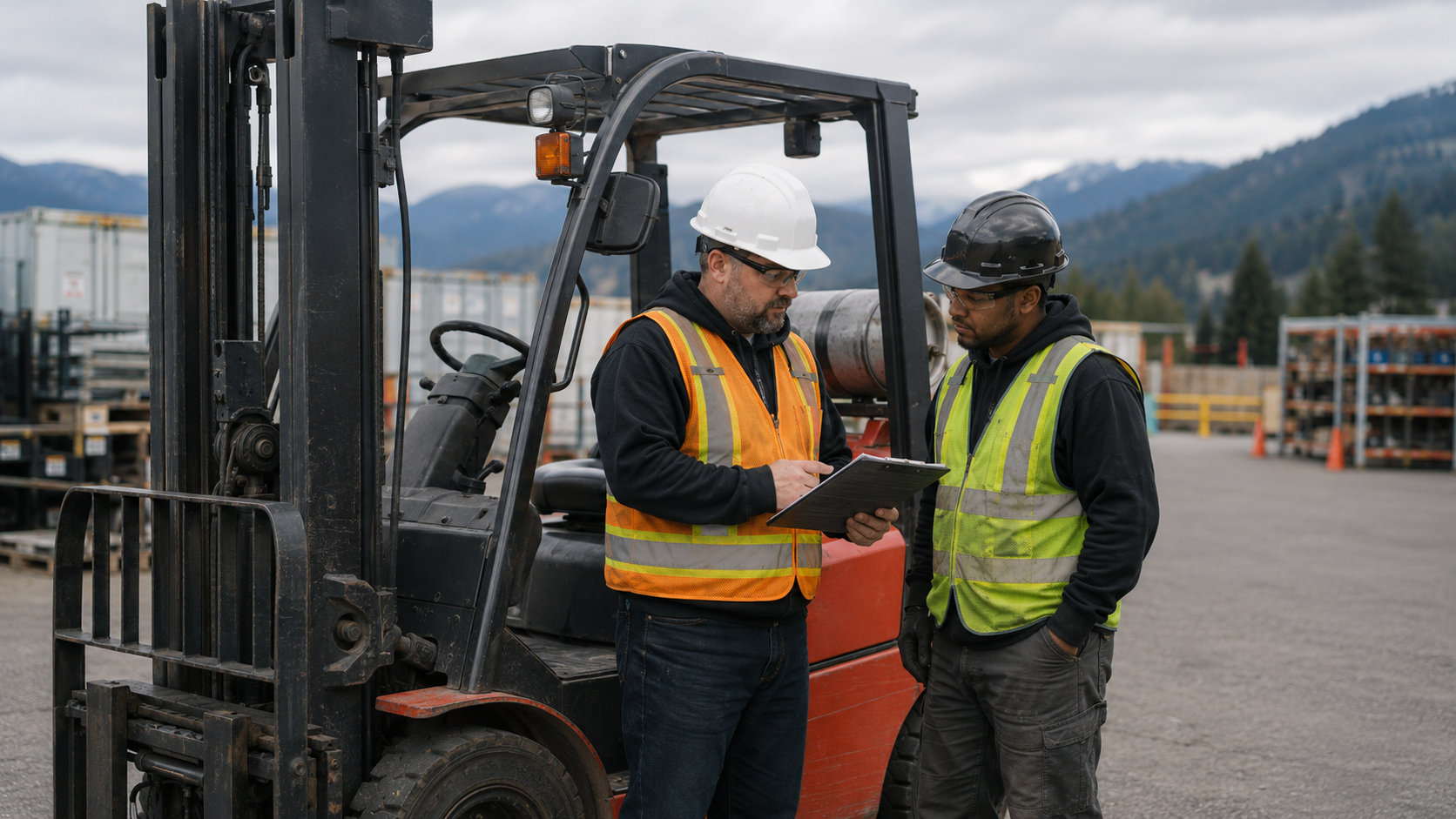
Training also produces records, and it is worth being clear about what those records are for. They document that the training took place and what it covered. They are a management tool that helps you track who has been trained on what.
What records do not do is replace your supervision or remove your responsibility for how work is assigned. A strong provider is clear about this distinction. The documentation supports your planning. It does not do the planning for you.
| What to Look At | A Basic Certification Session | Stronger Equipment Training |
| Discovery | Books without asking about your operation | Asks about equipment, crew, and site first |
| Examples | Generic, could apply to any crew | Built from your actual tasks and conditions |
| Procedures | Memorized as steps | Connected to why they matter in real work |
| Decision points | Skipped or kept abstract | Covered at a practical level |
| After the session | A certificate for the file | Clearer picture of crew readiness |
| Employer role | Left unaddressed | Explained as ongoing supervision and planning |
Why Trainer Experience Matters
Practical Instruction Needs More Than Slides
A slide deck can deliver information. It cannot, on its own, deliver the practical context that makes information usable. That comes from a trainer who has done the work.
VIF Safety Training is led by Darrell Block, who has 24 years of mobile equipment experience and has been an IVES Certified trainer since 2018. We are not going to claim experience guarantees a perfect outcome, because no single factor does that. But a trainer with real field experience can explain things better, answer questions with practical depth, and recognize where a crew is likely to struggle. That shows up in the quality of the session.
It also shows up in the questions a crew asks back. When a trainer can answer a real operating question with a real answer, drawn from experience rather than a manual, the session earns the crew’s attention. That credibility is hard to fake and easy to notice.
A Strong Provider Helps Identify Related Training Needs
Another sign of a strong provider is that they help you see the whole picture, not just sell the one course you called about. During the conversation, a good trainer may notice that your operation points to a related training need.
This is not about upselling. It is about the provider understanding your operation well enough to flag something useful. A mobile equipment trainer in Nanaimo who knows the work can tell you when one course covers it and when the work suggests more. That guidance is part of what makes a provider worth choosing.
How VIF Safety Training Supports Stronger Equipment Training
Start With the Crew and the Work
The conversation with VIF Safety Training starts with your crew and your work, not a calendar slot. Share your equipment, your crew roles, your site conditions, and your scheduling constraints. From there, the discussion is about what training would actually fit.
That is what makes the session stronger than a basic one. It is built around your operation from the first conversation. If you want training that aims for readiness rather than just completion, that planning conversation is where it starts.
Link to Mobile Equipment Certification
Once the operation is clear, the path forward is clear. For most crews, the Mobile Equipment Certification Nanaimo page is the starting point for the booking. If your operation points toward a trainer-led approach across varied equipment, the mobile equipment trainer in Nanaimo option fits alongside it.
Visit the Mobile Equipment Certification Nanaimo page for service details, or reach out to VIF Safety Training directly. Bring your crew and equipment details, and the conversation can move quickly to what training fits your operation.
A certificate tells you a session happened. It does not tell you whether the training changed how your crew works. Stronger equipment training is built around your equipment, your crew, and your worksite, and it aims for practical readiness, not just completion.
Bring your operation details to VIF Safety Training and get a clear read on what training actually fits. The session that follows will be built around your crew, not a generic template. Call 250-889-2074 or use the contact form to start.
Frequently Asked Questions
What makes equipment training stronger than basic certification?
Stronger equipment training is built around your actual equipment, crew, and worksite rather than a generic template. It connects procedures to real work scenarios, covers the decision points operators face, and leaves you with a clearer picture of crew readiness. A basic session can be completed without much change in how the crew operates.
How can employers tell if a training session will be practical?
Listen to the questions the provider asks before booking. A practical session starts with discovery: what equipment your crew runs, what tasks they perform, what the worksite looks like. A provider who books without asking these questions is offering the same session everyone gets, regardless of your operation.
Should training connect to the equipment our crew actually uses?
Yes. Training built around the machines your crew runs and the tasks they perform is far more useful than a generic session. Share your equipment list and work conditions during the booking conversation so the training, or a planned set of sessions, reflects your real operation.
Can VIF Safety Training help identify related courses?
Yes. During the booking conversation, the discussion can surface whether your operation points to a related training need. This is about understanding your operation well enough to flag something useful, not upselling. A provider who knows the work can tell you when one course covers it and when the work suggests more.
What should I prepare before booking mobile equipment certification?
Gather your equipment type and attachments, crew roles, site conditions including surfaces and traffic, shift timing, and preferred training location. This information lets VIF Safety Training build a session around your operation rather than running a generic one.
How do I book mobile equipment certification in Nanaimo?
Visit the Mobile Equipment Certification Nanaimo page for service details, or call VIF Safety Training at 250-889-2074. Bring your crew and equipment details so the conversation can move quickly to what training fits your operation.