Picture this: a worker is sent to do a routine task near a tank, a pit, or a utility area. The job itself is simple. But the space around it is not as straightforward as it looks, and the worker does not quite register that. They are not careless. They just were not trained to notice what should make them pause.
That is the gap confined space awareness training is built to close. It is not about turning every worker into a confined space entry specialist. It is about making sure workers can recognize, early, when a space deserves more attention and a question rather than an assumption.
This blog explains what that recognition should look like. We will cover why awareness starts before anyone enters, what workers should learn to notice first, how awareness supports better communication, and what employers should clarify before booking. The focus throughout is recognition, not entry procedures.
Why Awareness Starts Before Anyone Enters
Recognition Matters Before the Task Begins
The most important moment in confined space safety is often before any work starts. It is the moment a worker looks at a space and decides whether it is a routine task or something that needs more attention.
Confined space awareness training is built around that moment. It helps workers understand that some spaces require more thought, and that the right response is to recognize the situation and raise it, not to assume it is fine and proceed. Recognition before the task is the whole point.
Assumptions are the risk here. A worker who assumes a space is straightforward, because it looks ordinary or because the task is quick, can walk past the signals that should have prompted a pause. Awareness training works against that autopilot.
Awareness Is Not the Same as Advanced Entry Training
It is important to be clear about what this training is and is not. Confined space awareness training builds recognition. It is not advanced confined space entry training, and it does not prepare workers to perform entry work.
Keeping that boundary clear protects everyone. Awareness training helps workers know when a space needs more attention and qualified involvement. Workers assigned to actual entry work need the appropriate advanced training for that role. Awareness is the first layer, not the whole structure.
What Workers Should Learn to Notice First
Space Layout, Access, and Atmosphere Concerns
Awareness training helps workers recognize broad categories of concern, at a high level, without getting into technical procedures. The point is recognition, not a how-to.
Workers should learn to notice things like how a space is laid out, how someone gets in and out of it, and whether there are reasons to be concerned about the air inside. These are recognition categories. The worker does not need to assess them like a specialist. They need to recognize that the space raises questions and that those questions should be answered by the right people before work continues.
The goal is a worker who pauses at the right moment. Not one who tries to handle everything themselves, and not one who walks past a concern because it did not look obvious. Awareness sits in between: notice, question, escalate to the people equipped to answer.
Work Being Performed In or Near the Space
Awareness is not only about the space itself. It is also about what work is happening in it or around it. The same space can be routine for one task and worth more attention for another.
Cleaning, maintenance, repairs, inspection, and work happening in an adjacent area can all change the picture. Awareness training helps workers connect the space and the work together, so they recognize when the combination calls for a pause and a question rather than just proceeding because the space looked familiar.
This is where a lot of real-world recognition happens. The space did not change, but the task did, and that shift is exactly what a trained worker learns to catch before starting.
How Awareness Supports Better Communication
Knowing When to Stop and Ask
The practical value of awareness training shows up in one habit. Knowing when to stop and ask. A worker who recognizes that a space raises questions, and feels it is expected to raise them, is a worker who does not proceed on an assumption.
That habit is what training builds. It gives workers the recognition to see the concern and the confidence to say something. Workplace safety training Nanaimo employers invest in pays off most clearly in that moment, when a worker asks instead of assuming.
The confidence part matters as much as the recognition. A worker might notice something feels off but stay quiet, not wanting to slow the job or seem inexperienced. Training that makes asking the expected response, rather than the exception, is what turns recognition into action.
Supervisors Need Clearer Signals From the Crew
Awareness training does not only help the individual worker. It helps supervisors too. When a crew is trained to recognize and raise confined space concerns, supervisors get clearer signals about what is happening on the site.
That improves planning and decision-making. A supervisor who hears a concern raised early can bring in the right people and make a better decision. A supervisor working with a crew that never raises anything is working with less information than they need. Site awareness training across the crew improves the whole communication loop.
| Aspect | Confined Space Awareness Training | Advanced Entry Training |
| Main goal | Recognize when a space needs more attention | Prepare workers to perform entry work |
| Who it suits | Workers who may work in or near these spaces | Workers assigned to entry responsibilities |
| Focus | Recognition, questions, and escalation | Procedures for entry work |
| Key habit built | Stop and ask before assuming | Carrying out entry work as trained |
| Covers entry procedures | No, by design | Yes |
| Role in the plan | First layer of awareness across the crew | Specialized training for a specific role |
Where Confined Space Awareness Can Connect to Other Training
Mobile Equipment and Worksite Movement
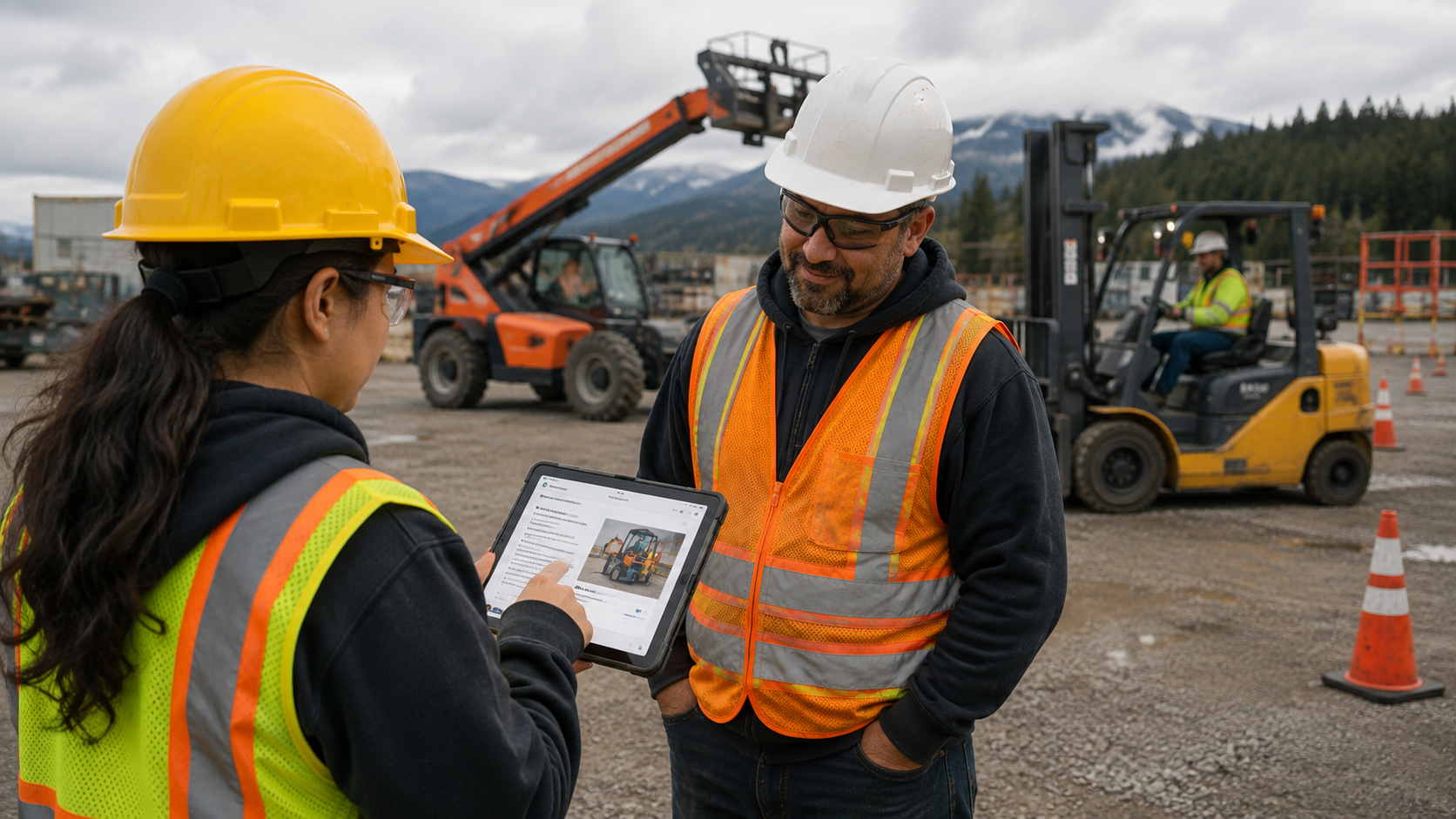
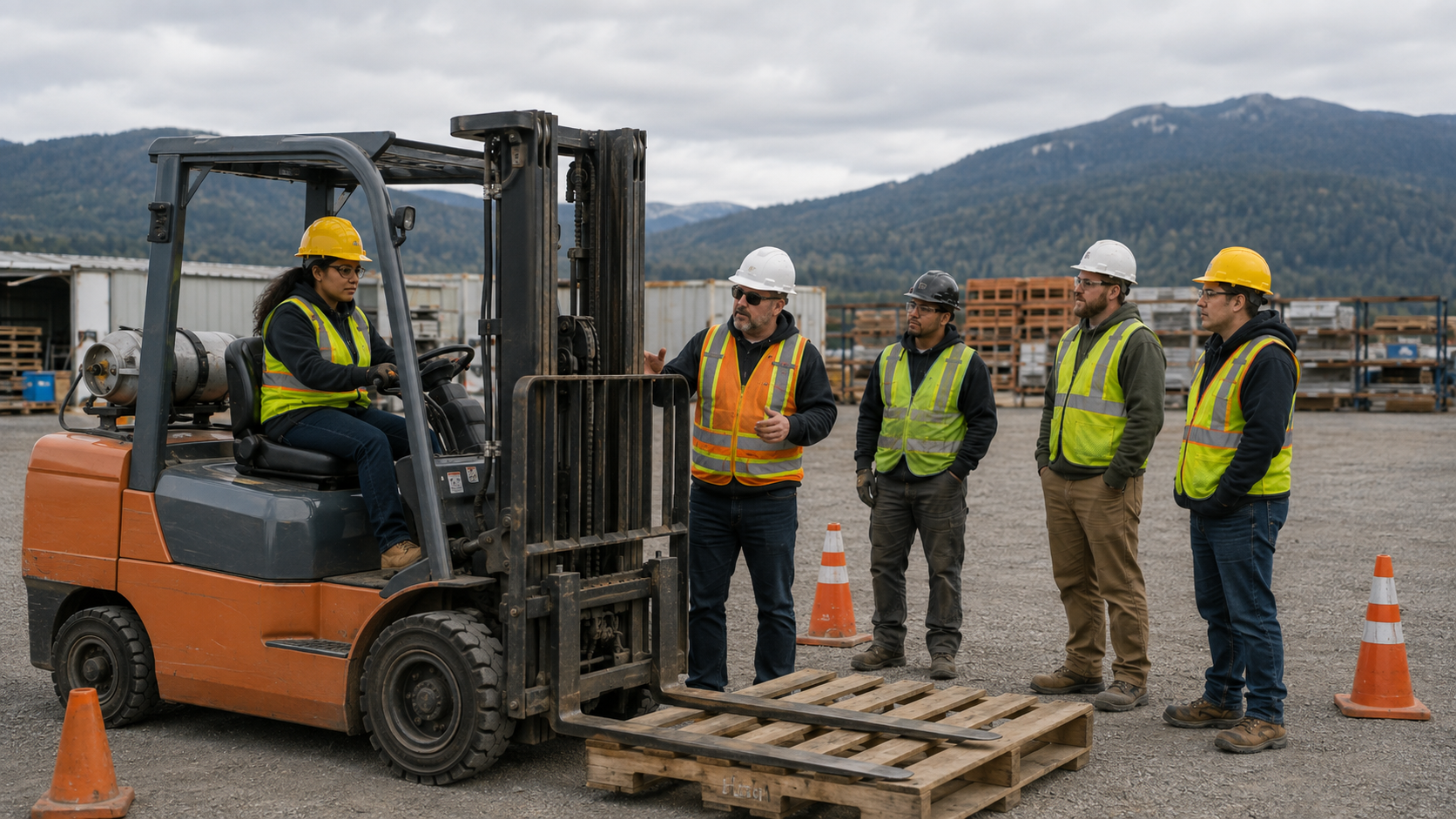
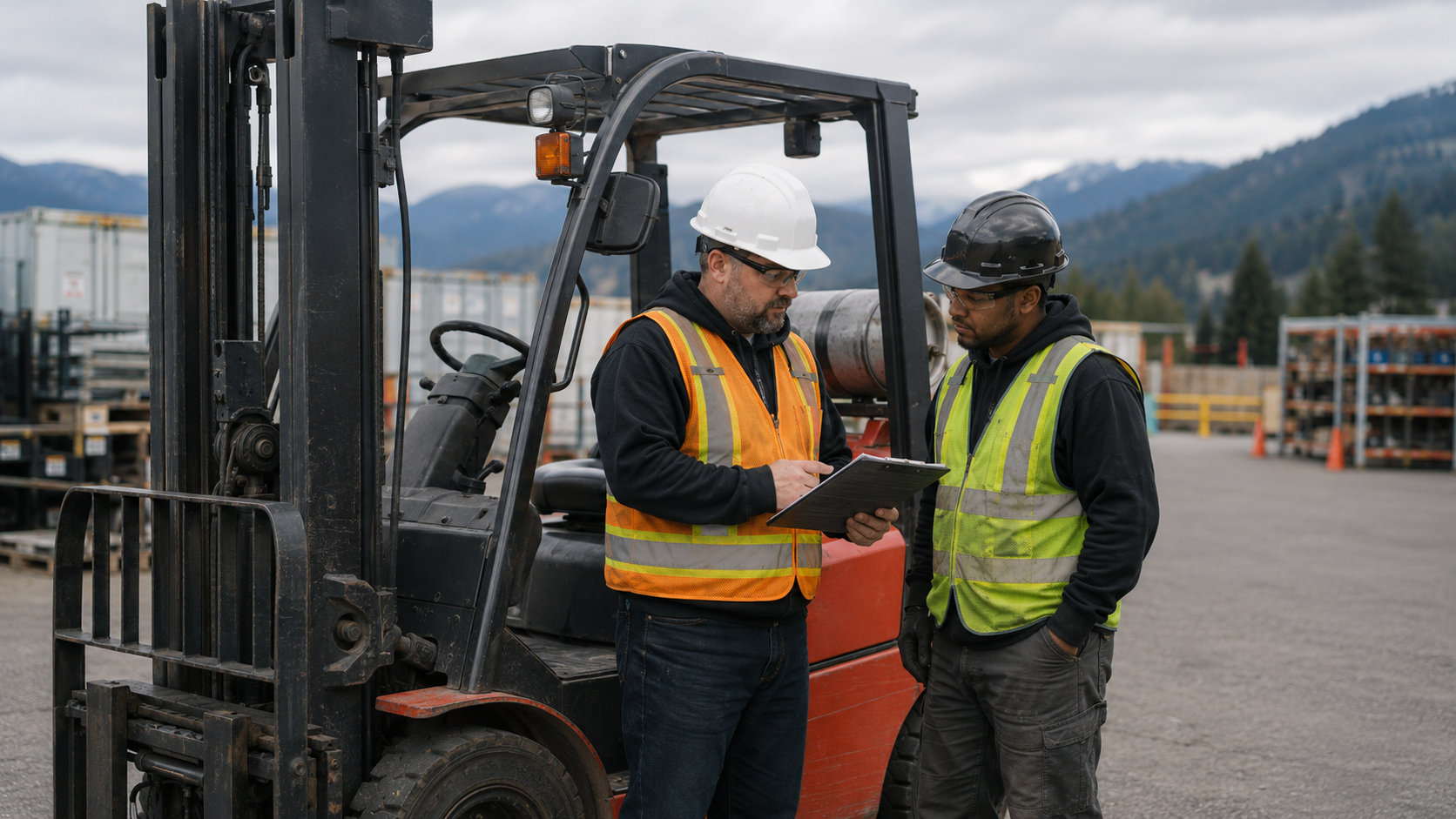
Confined space awareness does not exist in isolation. On many sites, equipment work happens near confined areas. A forklift moving materials past a pit, a lift positioned near a utility space, crews working around tanks and vaults.
For operations like that, awareness connects naturally to equipment training. Workers who recognize confined space concerns and also operate equipment safely around those areas bring two useful skills together. It is worth thinking about both when you plan training for that kind of worksite.
Fall Protection and Broader Safety Planning
Depending on the site, confined space awareness may also sit alongside other safety training in a broader plan. Some confined space work involves elevated access. Some sites have a range of conditions that call for several kinds of awareness and training.
The point is not to bundle everything together automatically. It is to think about the actual work and let that guide which training belongs in the plan. Where the site tasks make it relevant, confined space awareness can be one part of a broader, well-planned approach.
What Employers Should Clarify Before Booking
Types of Spaces and Workers Exposed
Before booking, it helps to map your own site. Think about the spaces your workers actually encounter and who comes near them:
- Tanks and vessels that workers clean, inspect, or work around.
- Vaults and pits that are part of the site layout.
- Crawlspaces and other tight access areas.
- Utility areas where workers perform routine tasks.
- Other site-specific spaces that your operation includes.
Crew Roles and Awareness Needs
It also helps to be clear about roles. There is a difference between workers who need to recognize confined space concerns and workers who are assigned advanced entry responsibilities.
Awareness training serves the first group. It builds the recognition that helps any worker who might work in or near these spaces. Workers in the second group need the appropriate advanced training for entry work. Sorting out who falls where before booking helps the provider point you to the right training for each part of your crew.
Most crews have a mix. A larger group who simply need to recognize and raise concerns, and a smaller group with specific entry responsibilities. Knowing roughly how your crew splits makes the booking conversation faster and the training plan clearer.
How VIF Safety Training Can Support Awareness Planning
Discuss the Worksite Context
The conversation with VIF Safety Training starts with your site. Share the kinds of spaces your workers encounter, the work they do in or near them, and the roles across your crew. From there, the discussion can sort out what awareness training fits.
That context is what keeps the training relevant. Confined Space Awareness Training Nanaimo employers book through VIF Safety Training is shaped by the actual worksite, not delivered as a generic definition session.
CTA to Confined Space Awareness Training
Once the worksite context is clear, the path forward is clear. The Confined Space Awareness Training Nanaimo page is the starting point for the booking. If the conversation shows your operation also involves equipment work near these spaces, mobile equipment certification can be discussed as a connected need.
Visit the Confined Space Awareness Training Nanaimo page for service details, or reach out to VIF Safety Training directly. Bring your site details, and the conversation can move quickly to what awareness training fits your crew.
Confined space awareness training is about recognition. It prepares workers to notice, early, when a space deserves more attention and a question rather than an assumption. It is the first layer of awareness, not a replacement for advanced entry training.
Map the spaces on your site, sort out your crew roles, and bring the picture to VIF Safety Training. The conversation will point you to the awareness training that fits your worksite. Call 250-889-2074 or use the contact form to start.
Frequently Asked Questions
What should confined space awareness training help workers recognize?
It should help workers recognize, early, when a space deserves more attention rather than being treated as routine. That includes noticing space layout, access, atmosphere concerns at a high level, and how the work being performed changes the picture. The focus is recognition and knowing when to stop and ask, not entry procedures.
Is confined space awareness the same as confined space entry training?
No. Confined space awareness training builds recognition and the habit of raising concerns. It does not prepare workers to perform entry work. Workers assigned to actual entry responsibilities need the appropriate advanced training for that role. Awareness is the first layer, not the whole structure.
Who should attend confined space awareness training?
Workers who may work in or near confined spaces on your site. Awareness training builds the recognition that helps any worker notice when a space needs more attention. Workers assigned advanced entry responsibilities need separate, appropriate training for that role.
What should employers prepare before booking confined space awareness training?
Map the kinds of spaces your workers encounter, such as tanks, vaults, pits, crawlspaces, and utility areas, and sort out which workers need recognition awareness versus advanced entry training. Sharing this with VIF Safety Training helps the conversation point you to the right training for each part of your crew.
Can confined space awareness be part of a larger safety training plan?
Yes, where the site tasks make it relevant. On operations where equipment work happens near confined areas, or where the site has a range of conditions, confined space awareness can sit alongside other training in a broader plan. The actual work should guide what belongs in the plan.
How do I book confined space awareness training with VIF Safety Training?
Visit the Confined Space Awareness Training Nanaimo page for service details, or call VIF Safety Training at 250-889-2074. Share the kinds of spaces on your site and your crew roles so the conversation can confirm the awareness training that fits your worksite.