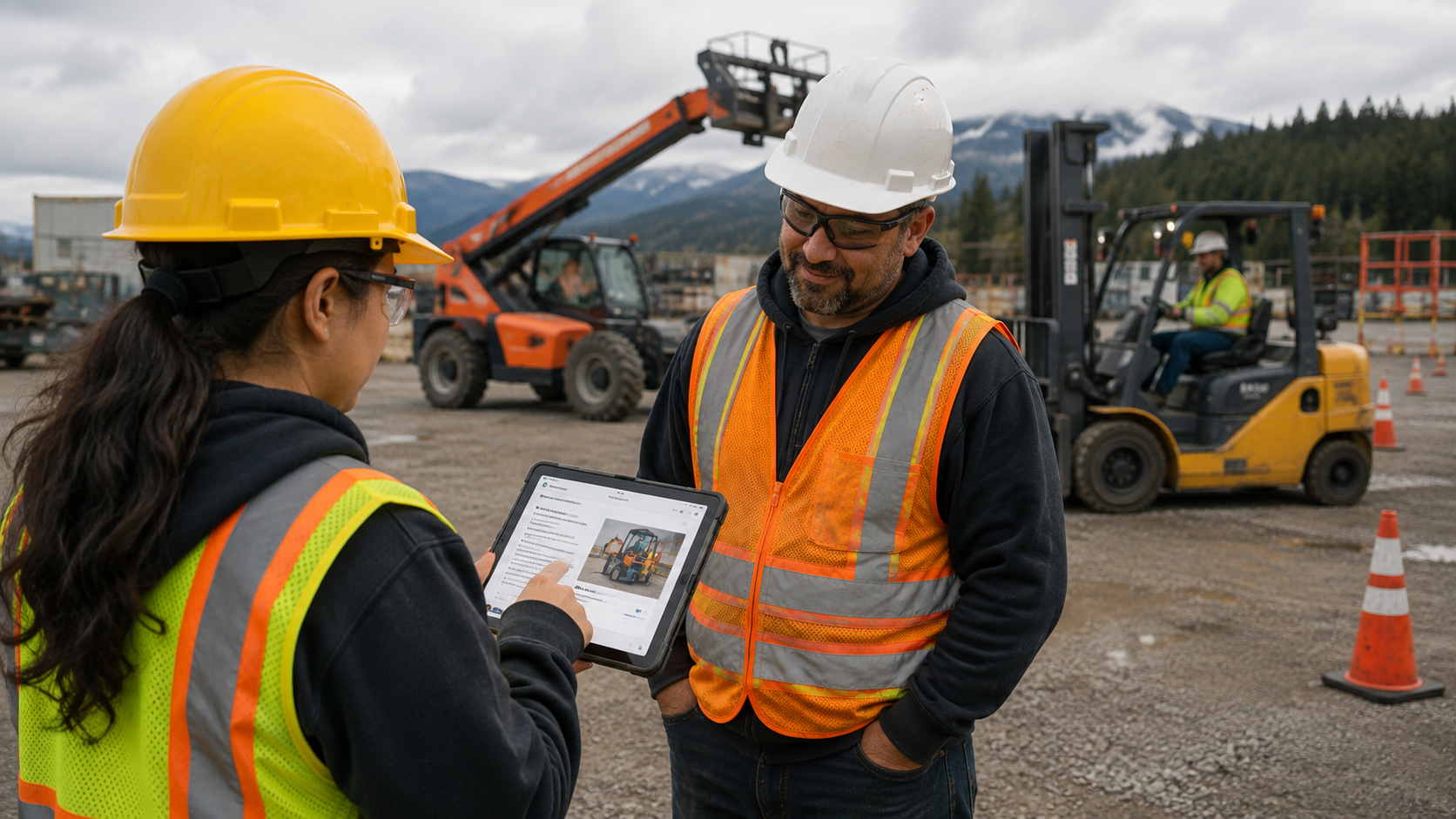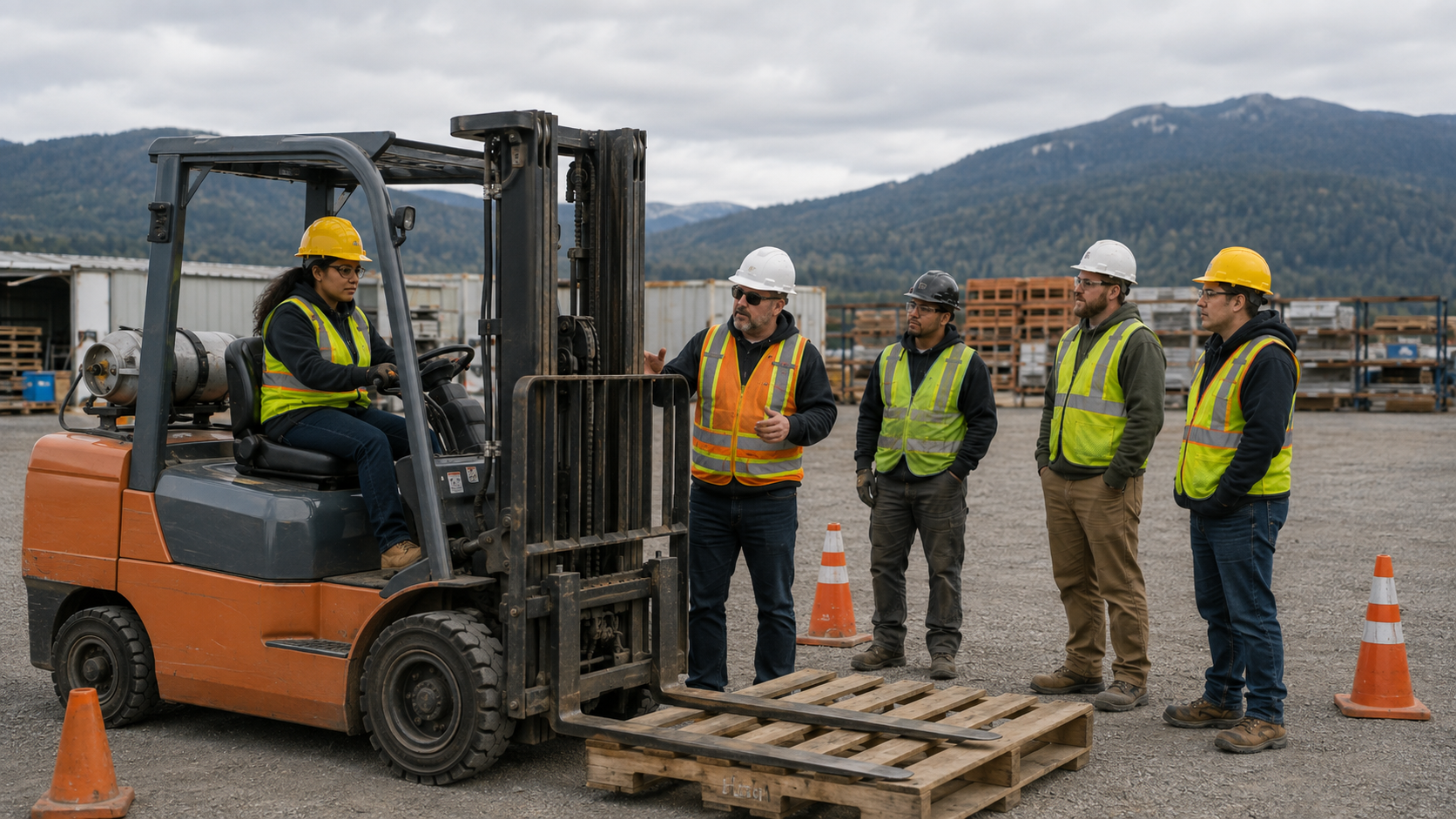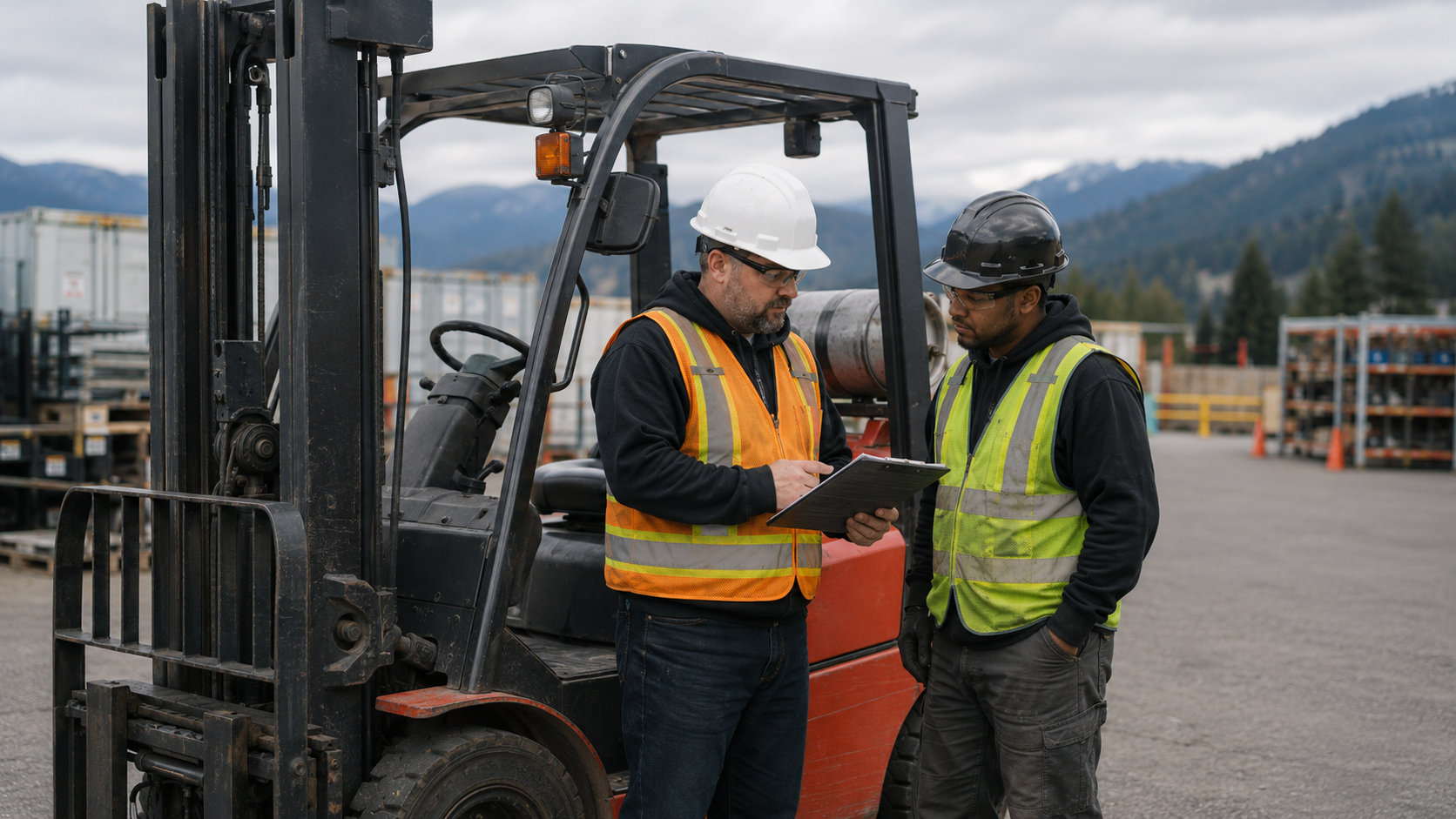
Booking aerial lift training sounds straightforward until the conversation turns to the actual worksite. The crew that needs the training is also the crew running the day. Materials are arriving, other trades are working their tasks, deadlines are not pausing for the safety session, and the boom lift or aerial platform that the operators will eventually use is sitting in a yard or on a project that does not stop for training day. For a supervisor, site lead, or safety manager in Victoria, the practical question is not whether the team needs aerial lift training. It is how to set up the session so that the training actually fits the work, the operators, and the conditions on the ground.
Active worksites change what a useful training session looks like. A classroom-only walkthrough rarely produces operators who feel confident on equipment they will use the next morning. A field-only session without enough discussion misses the judgment side of working at height. The sessions that produce real readiness are usually the ones where the conversation about equipment, work environment, crew experience, and schedule happens before booking, so the trainer arrives prepared for the specific situation rather than running a default course that may or may not apply.
This blog walks through what Victoria employers should clarify before booking aerial lift training when the work is happening on an active site. It covers crew context, equipment realities, site conditions, training scope, related courses to consider, and the kind of information that helps VIF Safety Training plan a session that earns its place in the schedule. The aim is not to slow the booking down. It is to make sure the time spent on the session produces operators who can step back into the work with clearer judgment than they had the day before.
Why aerial lift training feels different on an active worksite
The crew is not learning in a perfect classroom scenario
An active worksite is not a controlled training environment. Vehicles move through the area. Other trades are running their own scopes. Surfaces change between gravel, pavement, plywood walkways, and exposed subgrade depending on where the work is happening. The weather may shift in the middle of the afternoon. Deadlines pressure the crew to finish the elevated task and return to the next item on the list. The aerial lift training that fits this reality has to acknowledge the conditions rather than pretend they do not exist. A session built around quiet conditions and predictable surfaces leaves operators improvising the moment they step out of the training area.
Among Victoria worksites that book aerial lift operator training, the sessions that produce confident operators tend to be the ones where the trainer is told in advance about the actual conditions. The mix of indoor and outdoor work. The surface types around the lift operation. The traffic patterns of other workers and vehicles. The deadlines and shift structure that shape when training can happen. None of these details require deep technical descriptions. A short overview from the supervisor is usually enough to help the trainer adapt examples, emphasize the right hazards, and bring the conversation closer to the work the operators actually perform.
Training should connect to the actual work being performed
Aerial lift work in Victoria ranges across construction support, facility maintenance, exterior building access, repair tasks, install work, sign and signal work, and a wide variety of elevated work tasks that share a category but differ substantially in what the operator is doing once they are in the platform. A maintenance technician accessing an HVAC unit on a flat industrial roof faces different conditions than a construction crew member positioning materials for an exterior installation. The training that helps both operators is the same in some respects and meaningfully different in others. The conversation before booking should surface what kind of work the crew is actually performing so the session leans into the relevant areas rather than spending time on scenarios that do not match the daily reality.
This is part of what separates a session that crews appreciate from a session that feels generic. Operators recognize when the examples match their work. They recognize when the instructor is asking the right questions about their tasks. They engage more, retain more, and walk back into the work with better judgment. Quality aerial lift operator training, whether onsite or at a controlled training environment, depends on this kind of contextual fit. The booking conversation is where it starts.
What employers should clarify before booking the session
Equipment type and work environment
Aerial lift is a broad category. Boom lifts, articulating lifts, telescopic lifts, and self-propelled aerial work platforms each behave differently and present different considerations during operation. Indoor work has different surface and overhead conditions than outdoor work. A site with mixed terrain demands different attention than a paved facility floor. Booking the training without sharing the specific equipment type and environment tends to produce a session that touches on everything at a general level rather than reinforcing the operating decisions that matter most for the crew. Sharing photos of the equipment, the model name or category, and a quick description of where it will be used gives the trainer real inputs to work with.
Among the mobile equipment training Victoria employers commission, the sessions that operators describe as useful are usually the ones where the trainer arrived knowing what they would be discussing. The equipment was already on the trainer’s mind. The work environment was already mapped. The examples were already adjusted. Operators do not need to wait through general material before reaching the part that applies to them. The session moves faster, holds attention better, and produces operators with sharper situational judgment than a default course covers.
Crew size schedule and experience level
The crew that will sit through aerial lift training is rarely uniform. Some operators have years of experience and just need certification updates or refreshers tied to specific equipment. Others are newer and require the foundational discussion alongside the hands-on time. Some sit between those two points, with experience on one type of lift but limited exposure to another. Sharing this mix with the trainer before booking helps shape how the session uses its time. A trainer who knows the crew composition in advance can structure the session to keep experienced operators engaged while still serving the newer ones.
Schedule constraints are the other input that often gets understated. An employer who has narrow availability between shifts, before site work begins, or during a planned production gap should communicate this before booking. The trainer can then propose timing that fits without forcing the crew to compress what should be a substantive session into a window that does not allow for proper coverage. Booking the right scope at the right time is part of why the session lands rather than checking a box.
How site conditions can change the training conversation
Ground surface access and traffic patterns
The surface where the aerial lift will operate is one of the most consequential variables for a training discussion. Smooth concrete behaves predictably under the lift footprint. Gravel yards introduce stability considerations that operators must recognize before positioning the machine. Slopes affect both stability and the operator’s sense of balance once elevated. Loading areas with seams, drains, and elevation changes require active awareness as the lift moves into position. Doorways, low overhangs, and indoor structures create overhead considerations that change how the operator approaches the work zone. These conditions do not require the trainer to memorize the site. They do require enough information so that the discussion during the session reflects what the operators will face.
Pedestrian and vehicle traffic patterns around the lift work area add another layer. Aerial lift operation in an empty yard at the end of a shift is different from operation in a busy facility hallway during normal business hours, which is different again from outdoor work near a parking area or driveway. Each pattern shapes how operators should plan their setup, communicate with surrounding workers, and execute the work. Sharing these patterns before training arrives produces a session where the discussion of work area awareness is grounded in the actual conditions rather than a generic example.
Weather exposure and visibility
Vancouver Island weather adds a real dimension to aerial lift work for any operator working outside. Wet conditions affect surfaces, visibility, and the operator’s grip on platform controls. Wind influences how the platform feels at height and shapes the operator’s judgment about when to pause the work. Low light during shorter winter days or extended evening work changes what operators can see in the work area and what spotters can see from the ground. Bright sun reflecting off building surfaces can affect visibility from elevated platforms. None of these conditions are reasons to avoid working at height. They are conditions that operators should think about before, during, and after the lift is in position.
Worksite lift training that takes Vancouver Island conditions seriously prepares operators to make these calls confidently. The session does not become a weather course. It becomes a session where weather is part of the broader awareness operators carry into the work. Among the worksite lift training Victoria employers organize across the year, the sessions that produce the most durable operator confidence tend to be the ones where the trainer addressed the actual conditions operators face in the local environment rather than treating weather as an afterthought.
What a practical aerial lift course should reinforce
Pre-use inspection and work area awareness
A practical aerial lift training session reinforces the habit of pre-use inspection so that it becomes routine for the operator rather than an occasional checklist exercise. The inspection itself is not the goal. The goal is operators who can recognize when something is not right before they leave the ground. This includes looking at the equipment condition, checking controls and safety features, assessing the area where the lift will operate, noting any overhead obstructions, and confirming the surface will support the lift footprint. The training that produces these habits goes beyond walking operators through a list. It builds the underlying judgment that helps operators recognize concerns even when the situation does not match a familiar example.
Work area awareness is the parallel skill that often gets less attention during default training sessions. Operators who understand the work area before they elevate tend to make better decisions while at height. They notice changes around them sooner. They communicate more clearly with workers on the ground. They pause when conditions warrant pausing. This kind of awareness is not innate. It is built through training that walks operators through how to look at a work area, what to look for, and how to act on what they see.
Communication between operators supervisors and ground workers
Aerial lift work rarely happens in isolation. The operator at height needs reliable communication with a spotter, a supervisor, or other workers in the surrounding area. The signals or methods used should be understood by everyone involved. When other trades are working nearby, the operator should know how to coordinate so the lift work does not create hazards for surrounding workers and surrounding work does not create hazards for the lift operator. Training that addresses this communication side prepares operators for the reality that lift work is part of a larger work environment, not a self-contained task.
Among the aerial lift operator training sessions delivered across active worksites, the operators who handle the work most confidently are usually the ones whose training included this communication discussion. The mechanics of the lift matter, but the coordination with the surrounding work environment matters at least as much for keeping the operation moving smoothly and the surrounding workers safe.
When aerial lift training should connect with other training needs
Scissor lift and fall protection overlap
Aerial lift training is sometimes the right training in isolation. More often, it is the right training alongside related courses that address other parts of the work the same crew performs. Scissor lift training covers different equipment with different characteristics. Fall protection training addresses considerations that may apply across both types of lift work, plus other elevated tasks that the crew handles. Booking aerial lift training without thinking about these related courses can leave the crew with strong preparation for one part of the work and gaps in adjacent areas.
The booking conversation is the right moment to surface these overlaps. A supervisor who shares the broader picture of the work the crew performs gives the trainer the chance to suggest whether one course is enough or whether two or three coordinated sessions would serve the team better. The decision rests with the employer. The information that supports a good decision is what the booking conversation should produce.
Mixed equipment crews need a more deliberate plan
Crews that work across multiple equipment types throughout a typical month benefit from a training plan rather than a series of disconnected single courses. The aerial lift training fits within that plan. The scissor lift training fits within it. The fall protection training fits within it. So do the other training needs the crew may have across forklifts, telehandlers, or other mobile equipment they touch in the course of the work. VIF Safety Training can help map this picture during the initial conversation, which sometimes turns a single-course inquiry into a coordinated training schedule that serves the operation better than any standalone session would.
How VIF Safety Training can help crews prepare
A jobsite-aware training discussion
The most productive first conversation with VIF Safety Training covers the equipment, the work environment, the crew composition, and the schedule constraints. Share the type of aerial lift or boom lift the crew will use. Describe the worksite, including surfaces, traffic, and any indoor or outdoor mix. Note the experience range across the operators who will attend. Share the realistic windows when the session can happen without disrupting the active work. With this information, the trainer can propose a session structure that fits, suggest related courses if they apply, and confirm the practical details that determine how the day actually runs.
VIF Safety Training is led by an IVES Certified instructor with extensive mobile equipment experience, and the training approach reflects that combination of credential and field background. The Aerial Lift Operator Training Victoria employers book through VIF Safety Training is delivered with the worksite context in mind rather than as a default course transplanted into the client’s environment. That difference shows up in how operators describe the session afterward and how supervisors observe the crew handling the work in the days that follow.
A clearer next step for employers
If aerial lift training is on the agenda for a Victoria crew, the cleanest next step is a short conversation that covers the inputs above. Visit the Aerial Lift Operator Training Victoria page for service details, or reach out directly with the equipment type, worksite description, crew size, experience mix, and preferred timing window. The conversation moves quickly when the basic context is shared upfront, and the session that follows reflects the actual project rather than a generic template applied without the conditions in mind.
| Pre-Booking Topic | What Employers Should Share | Why It Affects the Session |
| Equipment type | Lift category, model or class, indoor or outdoor use | Determines the operating considerations the trainer should emphasize |
| Worksite conditions | Surface types, slopes, doorways, overhead obstructions | Shapes the examples and hazard discussion during the session |
| Crew composition | Number of operators, experience range, newer vs experienced mix | Helps the trainer structure the session for the actual audience |
| Work tasks | Construction support, maintenance, repair, exterior access, install work | Aligns training scenarios with the work operators actually perform |
| Schedule constraints | Available timing windows, shift structure, deadline pressures | Allows the trainer to propose timing that fits the operation |
| Related training needs | Scissor lift, fall protection, other equipment exposure | Surfaces whether coordinated training would serve the crew better |
| Site location | Onsite at the project, alternate location, training facility option | Determines logistics and what the trainer needs to bring |
| Documentation needs | Recordkeeping requirements, supervisor follow-up expectations | Sets expectations for what the employer receives after the session |
Aerial lift training that fits an active worksite is built on the conversation that happens before the booking. The equipment, the conditions, the crew, the schedule, and the related training needs all shape what the session should include and how it should run. If you are planning aerial lift training for a Victoria crew and want a session that produces real operator readiness rather than checking a box, reach out to VIF Safety Training with the equipment type, worksite description, crew size, and timing window. The training that follows reflects the actual project, and the operators step back into the work with clearer judgment than they had the day before.
Frequently Asked Questions
What should a crew prepare before aerial lift training on an active site?
The most useful preparation is a short summary of the equipment the crew uses, the worksite conditions including surface and traffic, the experience range across the operators who will attend, and the realistic schedule windows for the session. Sharing these inputs with VIF Safety Training before booking lets the trainer structure the session around the actual project rather than running a default course that may not fit the conditions.
Can aerial lift training be planned around active work areas?
Yes. Training can be planned around active worksites with attention to the timing, the work zones available for hands-on practice, and the coordination with surrounding work. The supervisor who shares the site context before booking helps the trainer identify a session structure that produces operator readiness without unnecessary disruption to the broader operation.
Should scissor lift or fall protection training be scheduled with aerial lift training?
This depends on the work the crew performs across the year. Some crews need only aerial lift training. Others benefit from coordinated training that covers scissor lift and fall protection alongside the aerial lift session because the same operators handle elevated work across different equipment and tasks. The booking conversation with VIF Safety Training can surface whether a coordinated approach would serve the crew better than a single course.
What details should I share before booking aerial lift operator training?
Share the lift type, the worksite environment including indoor and outdoor mix, the surfaces the lift will operate on, the experience range of operators attending, the crew size, and the timing window that works for the operation. Photos of the equipment and the work area are useful when available. With these inputs, the trainer can confirm the session structure and any related course recommendations before booking.
Can training be adapted to the type of lift used on our site?
Yes. VIF Safety Training adapts the session content and examples to the specific lift category the operators will be using. A session for boom lift operators emphasizes different considerations than a session for a self-propelled platform crew. Sharing the equipment information upfront ensures the training discussion fits the operators and the work they will perform.
How do I book aerial lift operator training with VIF Safety Training?
Reach out with the worksite context, equipment information, crew details, and preferred timing window. The booking conversation covers what the session should include, whether related courses fit the broader picture, and how the training will be delivered. Visit the Aerial Lift Operator Training Victoria page for service details or contact VIF Safety Training directly to start the planning conversation.