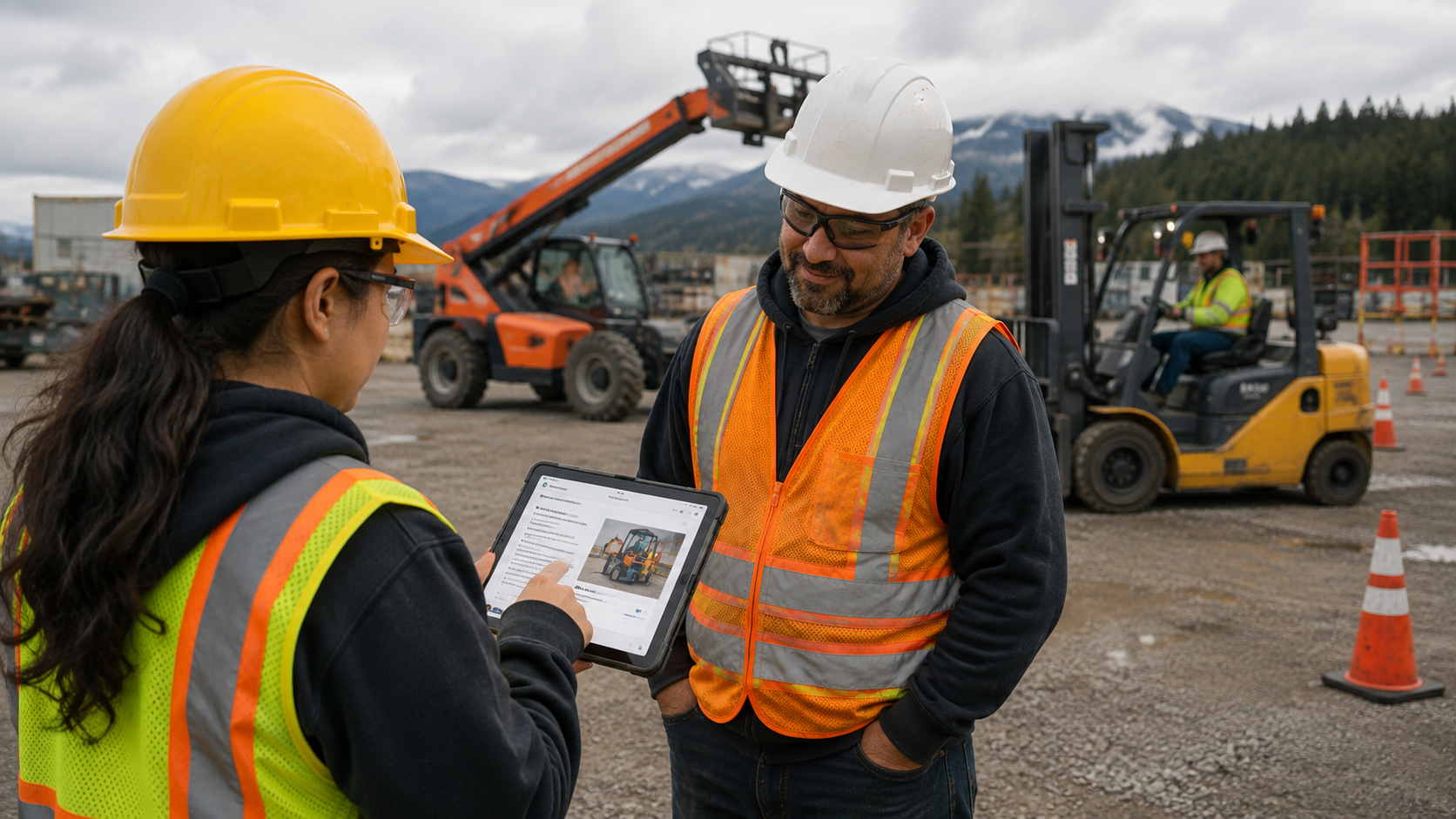
Most Victoria operations that run mobile equipment did not start with a comprehensive training plan. They started with a forklift, then added a scissor lift, then brought in a telehandler when the work called for one, and somewhere along the way picked up an aerial lift for the exterior tasks. The training followed the equipment, course by course, as the operation grew. By the time the supervisor looks at the full picture, the training records show a series of disconnected sessions delivered over several years, with different operators trained on different machines, occasional gaps between when equipment arrived and when training was scheduled, and no clear plan for how new workers or shifting roles should be addressed going forward.
This pattern is normal. It is also a sign that the operation has reached the point where a structured training plan would serve the business better than continuing to book one-off sessions as needs surface. Multi-equipment teams operate in a more complex training reality than single-equipment teams. Workers shift between machines based on the work. Supervisors assign tasks across a range of equipment types. New hires step into roles where multiple skills are needed. The operation that handles this complexity with a coordinated plan tends to spend less on rushed training, runs more smoothly because everyone knows who is trained for what, and avoids the gaps that surface when nobody is mapping the full picture.
This blog walks through why multi-equipment teams in Victoria benefit from structured training planning rather than reactive booking. It covers the blind spots that disconnected training creates, how to map the equipment and roles your crew actually handles, where gaps most commonly appear, how a coordinated plan supports smoother operations, and how VIF Safety Training approaches the planning conversation for employers ready to move from reactive bookings to a structured approach. The content is written for the supervisor, operations manager, or safety lead who is ready to take training off the back burner and treat it as part of how the operation runs.
Why disconnected equipment training can create blind spots
Operators may move between machines during the same week
On Victoria worksites where crews handle multiple types of mobile equipment, workers often shift between machines based on the work that needs to happen that day. The same worker who runs the forklift in the morning may move to the scissor lift in the afternoon, then handle telehandler tasks the next day when materials arrive. This pattern works when the worker is trained for each piece of equipment they touch. It creates real risk when training records show coverage on some machines but not others, and the worker is expected to fill in based on extrapolation from related experience. The supervisor may not even know which machines a given worker is officially trained for unless the records have been kept current.
Among the operations where Mobile Equipment Certification Victoria becomes a planning priority, the trigger is often the recognition that workers have been moving between machines without clear training mapping. The supervisor walks through who runs what and realizes that the actual practice does not match the training records. The work has been getting done, but the safety picture relies on assumptions rather than documented readiness. A structured training plan addresses this directly by aligning the records with the actual work and identifying where additional training should be scheduled.
Different machines can share some hazards but not the same training needs
Mobile equipment as a category shares some operational principles across machines. Pre-use inspection, load awareness, communication with surrounding workers, and basic operating discipline all apply across forklifts, telehandlers, scissor lifts, aerial lifts, and other equipment. The temptation is to treat training on one machine as broadly covering the others. The training needs are not actually the same. Forklift operation does not prepare a worker for the reach mechanics of a telehandler. Scissor lift operation does not prepare a worker for the dynamic positioning of an aerial lift. Each machine has its own controls, its own behavior, its own characteristic risks, and its own judgment requirements. The shared principles provide a foundation. The equipment-specific training builds on top of it.
Treating shared awareness as a substitute for equipment-specific training tends to produce workers who feel reasonably confident across machines but make small judgment errors that experienced equipment-specific operators would avoid. The errors may not produce incidents most of the time. They produce the conditions where incidents become possible when other factors line up. A structured training plan that addresses each equipment category specifically reduces this exposure by building real readiness rather than relying on transferred assumptions.
How to map the equipment your crew actually uses
List machines tasks and who operates them
The starting point for a structured training plan is a clear inventory of the equipment the operation runs and the workers who operate it. The inventory should cover each machine type, the typical work each machine supports, the locations where the equipment operates, and the workers currently assigned to each one. This exercise often reveals patterns the supervisor was not fully aware of. Workers occasionally running equipment outside their primary role. Backup operators who step in during absences but were never formally trained. Equipment that has been used for tasks beyond what the original training covered. New machines added during a busy period without training being scheduled to match.
Building this inventory does not require a complex documentation system. A simple list with the equipment, the operators, and the dates of training serves the planning conversation well. Among the Victoria operations where mobile equipment training planning has produced durable results, the inventory exercise is usually the first concrete step. Supervisors who skip directly to booking training without doing this mapping tend to leave gaps in place. Supervisors who build the inventory first arrive at the booking conversation with clear inputs, and the training that follows fits the operation rather than addressing only what was top of mind.
Separate occasional use from routine use
Not every operator who touches a piece of equipment is a routine user. Some workers run the equipment daily as part of their primary role. Others step in occasionally when the routine operator is unavailable or when the work calls for additional hands. The training discussion should acknowledge this distinction because the right approach for routine operators may differ from the right approach for occasional users. Both groups need training. The depth, frequency, and scenarios covered may differ based on how the work happens.
Occasional operators sometimes get overlooked in training planning because they are not the primary users. This is exactly the wrong reason to overlook them. Occasional users are often handling the equipment in conditions they encounter less frequently, which means their judgment is less practiced and their familiarity is less reinforced through daily repetition. The structured training plan should account for these workers explicitly rather than treating them as backups who will pick things up on the job.
Where multi-equipment training gaps usually appear
New hires and cross-trained workers
New hires step into multi-equipment operations during onboarding, often before all the equipment training they will eventually need is scheduled. The result is workers who start handling equipment based on their prior experience while the formal training catches up later. This pattern works when the new hire arrives with documented training from a previous role. It creates real exposure when the prior experience is assumed rather than verified, or when the new role involves equipment the worker has not handled before. The structured training plan should include onboarding protocols that map new hires to the equipment they will operate and schedule training accordingly.
Cross-trained workers create a related challenge. A worker hired primarily for forklift work who gets cross-trained for scissor lift work needs both training programs, ideally before being assigned to either piece of equipment unsupervised. Cross-training expands the worker’s value to the operation. It also expands the training picture that supervisors need to manage. A structured plan that anticipates cross-training and schedules the additional training in advance keeps the practice from getting ahead of the documented readiness.
Supervisors assigning work without full visibility
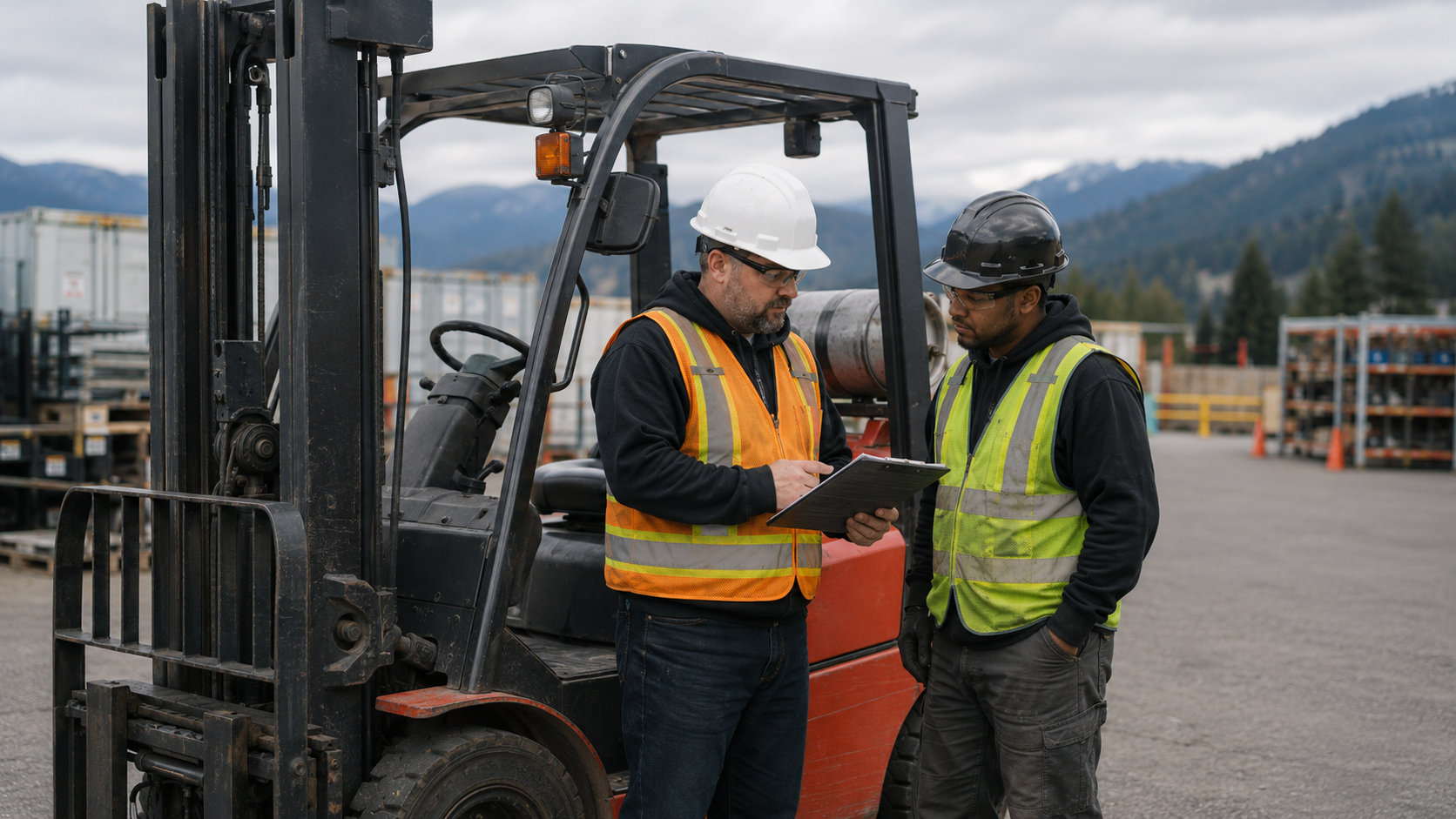
Supervisors handling daily task assignments work faster when they know who is trained for what. The structured training plan supports this by maintaining clear documentation of operator qualifications across the equipment inventory. A supervisor who can pull up the training picture for any worker and see exactly which equipment they have been trained on, when, and on what attachments makes assignment decisions confidently. A supervisor working from memory or from incomplete records sometimes assigns workers to equipment that the records would not have supported, which creates the kinds of small risk exposures that compound over time.
Among the Mobile Equipment Trainer In Victoria conversations that lead to structured planning, supervisor visibility is often part of why employers move to the planned approach. The supervisors are not asking for more bureaucracy. They are asking for clearer information so they can do their jobs faster and with less uncertainty. The plan supports this directly by keeping the training picture current and accessible.
How a structured plan supports smoother operations
Less confusion around who can operate what
The first operational benefit of a structured training plan is clarity. Everyone in the operation knows who is trained for which equipment, which removes a meaningful source of friction from daily work. Supervisors assign tasks without having to verify training history mid-shift. Workers know what equipment they are qualified to run and what they should not touch without additional training. New project work that introduces new equipment becomes easier to plan because the gaps surface during planning rather than during execution. This clarity reduces the small daily decisions that consume supervisor attention and lets the operation run with less mental overhead.
Documentation systems do not have to be elaborate to deliver this clarity. A simple shared list, kept current, with operator names, equipment categories, training dates, and any relevant attachment or task qualifications works well for most Victoria operations. The structured plan is the discipline of keeping that documentation current, not the documentation tool itself.
Better scheduling across shifts and crews
Training scheduled reactively often arrives at inconvenient times. The operation needs the equipment for a project, the operator is not trained, and now training has to happen on a compressed timeline that disrupts other work. A structured plan addresses this by looking ahead. Equipment additions get scheduled with training. Cross-training initiatives get planned before the equipment is needed. Refresher training for workers who have not operated certain equipment recently gets identified before the next project begins. The training becomes part of the operational calendar rather than an interruption that surfaces when something else surfaces.
Among the forklift training services in Victoria and broader mobile equipment training Victoria employers commission, the operations with structured plans tend to book training during productive windows rather than during crisis windows. The cost is similar, but the operational disruption is substantially less, and the training itself tends to land better because crews are not rushing through it under pressure.
What a mobile equipment certification discussion should include
Equipment list work areas and documentation needs
The first conversation about structured mobile equipment certification should cover the equipment inventory, the work areas where the equipment operates, the crew composition, and any documentation needs the operation has. The trainer takes these inputs and helps map a training plan that addresses the current state and anticipates the near-term changes. The conversation is practical rather than abstract. It addresses real machines, real workers, and real work environments rather than running through certification categories generically.
Mobile Equipment Certification Victoria conversations work best when the employer has done the inventory exercise before reaching out. The trainer can then move quickly to the planning side of the discussion. The session timing, the grouping of operators by equipment type, the scheduling around active work, and the documentation that will support the operation going forward all become productive topics rather than placeholder topics that get deferred until the inventory is built.
Course sequencing across the team
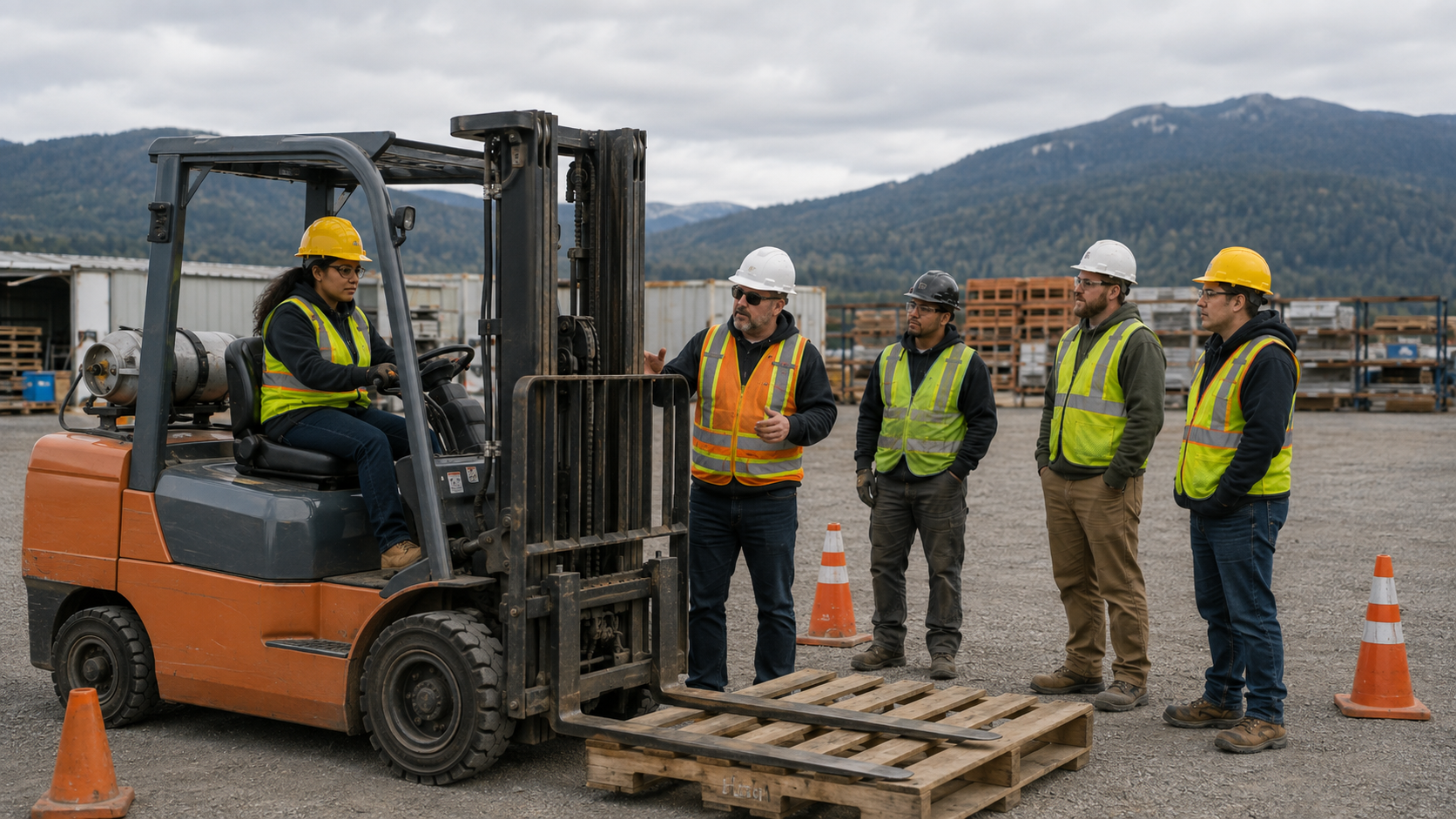
Multi-equipment training does not have to happen in one session. The plan can sequence courses based on operational priority, crew availability, and reinforcement considerations. Some operations benefit from grouping all forklift operators together for the forklift training, then separately covering scissor lift training, then aerial lift training, with the sessions spaced enough to let each one settle. Others benefit from coordinated training that handles multiple courses in close sequence so the learning reinforces across machine types. The right approach depends on the crew, the work, and the operational rhythm. VIF Safety Training can propose a sequencing approach during the planning conversation based on the inputs the employer shares.
| Planning Decision | Question to Address | How It Shapes the Plan |
| Equipment inventory | What machines does the crew actually operate | Forms the base of the training plan |
| Operator mapping | Who runs what equipment, how often | Identifies primary vs occasional operators |
| Current training status | Who has been trained on what, when | Surfaces gaps and refresher needs |
| Near-term changes | New equipment, new projects, cross-training planned | Allows training to be scheduled ahead of need |
| Onboarding protocol | How new hires get mapped to equipment training | Prevents new workers from operating without coverage |
| Cross-training approach | How additional equipment qualifications get added | Plans the expansion before workers are reassigned |
| Supervisor visibility | How task assignment connects to training records | Supports cleaner daily operations |
| Refresher cadence | When operators should refresh on equipment they use less often | Maintains readiness across the operating cycle |
How VIF Safety Training can help clarify the plan
Start with a crew and equipment review
VIF Safety Training approaches structured planning conversations as practical exercises rather than as paperwork drills. The initial review covers the equipment inventory, the operator mapping, the current training status, and the near-term changes the operation is anticipating. From there, the conversation moves to scheduling, course sequencing, and documentation. The plan that emerges fits the operation rather than imposing a generic structure that does not match how the work actually runs. The trainer brings the IVES Certified background and the field experience that helps the planning conversation address operational realities rather than abstract certification categories.
Among the aerial lift training Victoria, forklift training, scissor lift training, telehandler training, and other mobile equipment training programs delivered through VIF Safety Training, the operations that build structured plans tend to consolidate their training relationships rather than continuing to book sessions piecemeal. The plan creates continuity, which produces consistency in how operators are prepared and how supervisors can rely on the training record.
Link to mobile equipment certification
If structured planning for a Victoria multi-equipment crew is on the table, the practical first step is to share the equipment inventory, operator mapping, and current training status with VIF Safety Training and start the planning conversation. Visit the Mobile Equipment Certification Victoria service page for service details, or contact VIF Safety Training directly to begin the discussion. The plan that emerges reflects your operation, your equipment, and your workers rather than running a generic template.
Multi-equipment teams operate in a training reality that disconnected single-course bookings were not built to support. The operations that recognize this and move to structured planning tend to spend less on rushed training, run more smoothly because everyone knows who is trained for what, and avoid the gaps that surface when nobody is mapping the full picture. If your Victoria operation has reached the point where structured training planning would serve better than reactive booking, reach out to VIF Safety Training with your equipment inventory, operator mapping, and current training status. The planning conversation that follows builds a plan that fits your operation rather than running through a template.
Frequently Asked Questions
Why do mixed equipment crews need a structured training plan?
Crews operating multiple types of mobile equipment face a training picture that disconnected single-course bookings tend to leave incomplete. Workers shift between machines, supervisors assign tasks across equipment types, new hires enter mixed roles, and cross-training expands qualifications over time. A structured plan keeps the training picture aligned with the actual operation rather than relying on assumptions or incomplete records.
Can mobile equipment certification help organize training across machines?
Yes. A structured mobile equipment certification approach with VIF Safety Training maps the training across equipment types, operators, work areas, and timelines. The plan identifies current gaps, schedules upcoming training before it becomes urgent, and provides the documentation supervisors need to make confident assignment decisions.
How should employers track who is trained for which equipment?
A simple shared list with operator names, equipment categories, training dates, and relevant attachment or task qualifications works well for most operations. The structured plan is the discipline of keeping the documentation current and accessible rather than the specific documentation tool. VIF Safety Training can advise on practical documentation approaches during the planning conversation.
Can VIF Safety Training help plan multiple courses together?
Yes. VIF Safety Training works with employers on coordinated training plans that cover multiple equipment categories with appropriate sequencing. Some operations benefit from grouped sessions delivered close together. Others benefit from spacing the courses to support reinforcement. The right approach depends on the crew, the work, and the operational rhythm.
What information should I prepare before asking about multi-equipment training?
Prepare an equipment inventory, an operator mapping showing who runs what, the current training status with dates where available, and any near-term changes such as new equipment arriving or cross-training initiatives planned. With this context, the planning conversation moves quickly to building the plan that fits your operation.
Where do I start with mobile equipment certification in Victoria?
Visit the Mobile Equipment Certification Victoria service page on the VIF Safety Training website, or contact VIF Safety Training directly to begin the planning conversation. Share the equipment, operator, and training status information upfront so the discussion can move quickly to building the structured plan.